
How To
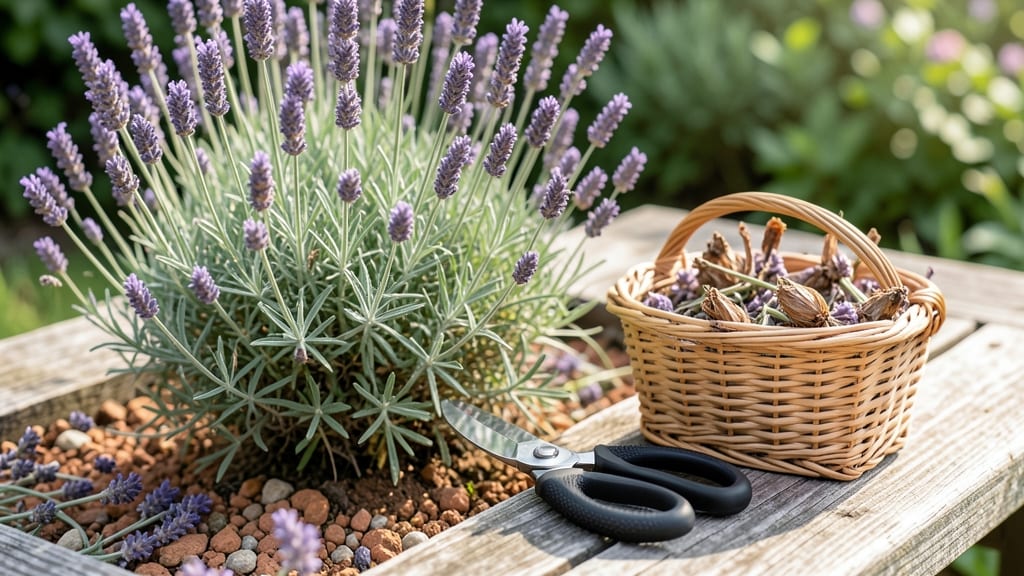
Harvesting lavender too late ruins its fragrance, oil quality, and even the plant’s health—so knowing the exact window matters more than you’d think.
Picture this: you’ve waited all summer for those vibrant purple spikes, but by the time you cut them, the buds are brown and the scent is weak. That’s the moment you realize you missed the 30-day peak harvest window—the time between when buds form and flowers fully open.
In USDA Zone 6a, that’s usually mid-July to early August, but climate shifts everything.
Here’s the secret: lavender’s oil and color fade fast once buds open. Overripe stems turn woody, the aroma disappears, and your plant may skip next year’s bloom. But there’s hope—even if you’re late, pruning at the right stage can salvage some fragrance and encourage regrowth.
Below, I’ll show you how to spot the perfect harvest stage, what happens if you wait too long, and how to revive lavender that’s past its prime. No more wasted blooms!

The exact lavender bud stage for harvesting (and when it’s too late)
Timing your lavender harvest is like catching a wave—too early and you miss the peak, too late and you’re left with bitter, woody stems. The ideal harvest window is when ⅓ to ½ of the buds have formed but remain tightly closed.
This stage ensures maximum essential oil concentration and vibrant purple hues. Miss it by even a week, and you’ll sacrifice both yield and fragrance.
In my USDA Zone 7 garden, I’ve learned the hard way that lavender buds open fastest in July-August under full sun. But climate matters—cooler zones like Zone 5 may delay harvest by 2–3 weeks, while Zone 10 lavender can bloom year-round.
Always check your local frost dates to avoid harvesting too late in the season.
Here’s the critical question: How do you spot overripe lavender? The answer lies in three telltale signs—brown buds, wilting stems, and seed formation. Once buds turn brown or stems soften, the essential oil content drops by 40%, and the scent becomes dull.
Worse, overripe lavender struggles to rebloom, setting back next year’s harvest.
Visual cues are your best friend. Run your fingers along the buds—if they feel fuzzy and dry, it’s too late. Crush a stem: no fragrance means the oil has degraded. Even worse, fully opened flowers (🌸) signal seed formation, which drains the plant’s energy. By then, you’ve lost the peak harvest window entirely.
Now, let’s break it down with a side-by-side comparison of ideal vs. overripe lavender. This table will help you spot the difference in seconds—because once you miss the harvest window, you’re out of luck until next season.
| Stage | Bud Appearance | Stem Condition | Fragrance | Harvest Action |
|---|---|---|---|---|
| Ideal (⅓–½ bloom) | Tightly closed, purple buds (🌱) | Firm, woody stems | Strong, sweet aroma | Harvest now for peak oil |
| Too Early (<10% bloom) | Small, green buds (💧) | Soft, flexible stems | Mild or no scent | Wait 2–3 weeks |
| Overripe (Full Bloom) | Open flowers (🌸), brown buds | Wilting, brittle stems | Dull or bitter smell | Discard or prune heavily |
| Seed Stage | Dry, brown seed heads | Crunchy, hollow stems | No fragrance | Remove entire stems |
Climate plays a huge role in harvest timing. In USDA Zone 5, where winters are harsh, lavender often blooms later—aim for late July to early August. Meanwhile, Zone 10 gardens in California or Arizona can harvest lavender year-round, though yields peak in spring and fall.
Always adjust for your local last frost date—harvesting too late in the season stresses the plant before winter.
Pro tip: Harvest in the morning after the dew dries but before the sun peaks. This preserves oil content and prevents wilting. Use clean, sharp pruners to cut stems at a 45-degree angle, leaving ⅓ of the stem to encourage regrowth.
If you’re unsure, pinch a bud—if it snaps cleanly and smells sweet, you’re golden.
One common mistake? Waiting for perfect weather. Lavender is drought-tolerant, so don’t delay harvest just because of rain. Overripe lavender won’t improve—it only gets worse. If your buds are at ⅓ bloom but rain is forecasted, harvest anyway. You can always dry the stems indoors later.
Remember, lavender is a perennial, but late harvests weaken it. Over time, repeated late cuts reduce oil yield and delay next year’s blooms. If you’ve already missed the window, don’t panic—prune back woody stems and
How late harvest affects lavender oil, color, and regrowth (with data)
Harvesting lavender too late doesn’t just ruin your essential oil yield—it turns vibrant purple blooms into dull, woody stems and weakens next year’s growth.
When buds open fully, their linalool content (the compound behind lavender’s signature scent) drops by up to 40%, while color fades from rich purple to muddy brown. Even worse? Overripe lavender struggles to regrow, leaving you with bare stems by winter.
The damage starts subtly: 3–5 days past peak, oil concentration plummets from 0.5–1.5% to just 0.1–0.3%. That’s the difference between a high-value therapeutic-grade oil and something barely worth drying. Meanwhile, color retention drops from 90% to 60%, turning your bouquets from showstopping to forgettable.
If you’ve already missed the bud stage window, don’t panic. Prune aggressively—cutting back ⅓ of the plant—can stimulate new growth, though expect a delayed rebloom by 4–6 weeks.
For oil salvage, harvest late blooms but know their linalool levels will be 50% lower. Store stems in a cool, dark place to preserve what little fragrance remains.
Pro tip: USDA Zone 7–10 gardeners have a 2-week grace period due to longer summers, but Zone 5–6 growers must act faster—frost risks arrive sooner. Always check for seed pods (a sure sign of overripeness) and woody stems, which signal it’s too late for quality harvests.
Remember: One late harvest can set your lavender back a full year. Next time, mark your calendar for July 15–August 10 (Northern Hemisphere) and set reminders—your nose (and wallet) will thank you.