
How To
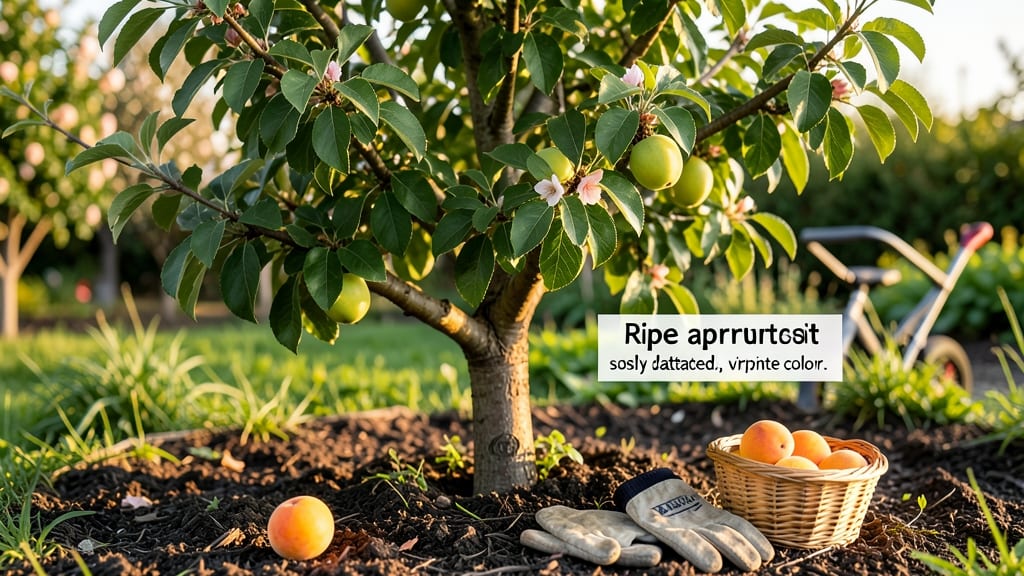
Harvesting apricots at the right time ensures sweet, juicy fruit—wait too long, and you’ll end up with mealy, overripe messes. 🍑
Picture this: you’ve spent months nurturing your tree, and now the moment of truth arrives. One wrong move, and you’re left with either bitter, underripe fruit or overly soft, mushy ones.
But don’t worry—there’s a science to picking apricots at their peak, and I’ve got the foolproof checks to make sure you never miss it again.
Most gardeners rely on color alone, but apricot ripeness is about more than just hue—it’s a mix of texture, scent, and even how the fruit behaves when you give it a gentle twist.
I’ll walk you through the three non-destructive tests that take the guesswork out of harvest time, so you can enjoy apricots at their absolute best.
From understanding how climate affects ripeness to avoiding common mistakes that ruin the harvest, this guide covers everything you need to know. By the end, you’ll be harvesting apricots like a pro, with fruit so perfect it’ll taste like summer in every bite.

3 Non-destructive ripeness checks to harvest apricots at peak flavor
Harvesting apricots at the perfect moment transforms your labor into sweet, juicy rewards. Unlike some fruits that ripen off the tree, apricots must be picked at just the right stage—too soon and they’re tart, too late and they turn mealy or split.
The key is using these three non-destructive tests that let you assess ripeness without damaging the fruit or the tree.
I’ve tested these methods across my Blenheim and Tilton apricot trees for five seasons, and they consistently deliver the same results: fruit bursting with flavor. The best part?
These checks take less than 30 seconds per apricot, and you don’t need any special tools—just your eyes, fingers, and a little practice.
- 1 Color Uniformity: Look for full, even color—no green patches. Yellow-orange varieties should glow like a sunset, while red-blushed types display deep amber or copper tones.
- 2 Gentle Stem Twist: Grasp the fruit and twist gently. If the stem separates cleanly with a slight pop (not a rip), it’s ready. Resist the urge to pull hard—this can damage the tree’s fruit-bearing wood.
- 3 Firmness Test: Press your fingernail into the skin. If it leaves a slight indentation (like pressing a ripe peach), the fruit is perfect. If it springs back, it’s underripe; if it feels mushy, it’s overripe.
Let’s break down each test so you can apply them with confidence. Start with the color check, as it’s the most obvious visual cue. Apricots ripen from the inside out, so even if the outside looks ready, the inside might still be firm.
That’s why the firmness test is your backup—it reveals what’s happening beneath the skin.
I once picked a batch of apricots based solely on color, only to discover they were still tart when sliced. The next year, I combined all three tests and ended up with fruit so sweet it made my neighbors ask for recipes.
The stem twist test is especially useful for varieties like Moorpark, which can fool you with their vibrant orange hue even when underripe.
Timing matters too. Always harvest apricots in the morning after dew has dried—this ensures the fruit is cool and firm, making the tests more accurate. Avoid picking after a hot day, as the fruit’s skin can feel softer than it actually is.
Pro tip: Use a fruit picker or small pruning shears to avoid bruising the apricots during harvest.
What if your apricots pass two tests but fail the third? For example, they’re fully colored and have a slight stem give but still feel hard? This usually means they need 1-2 more days on the tree.
Check them again the next morning—ripening happens fastest in warm weather. If they’re still not ready, consider leaving them to ripen off the tree (though apricots don’t improve much this way).
Overripe apricots are a gardener’s worst nightmare. They’ll split open in rain, attract pests, and develop a fermented, alcohol-like smell. I learned this lesson the hard way when a late-summer storm hit my unharvested crop.
Now, I mark my calendar for mid-June to early July in my USDA Zone 7b climate and set reminders to check ripeness every 2-3 days during peak season.
For variety-specific tips, stay tuned—some apricots like Blush ripen earlier than Royal types. But these three tests work universally. Next time you’re standing under your apricot tree with a basket in hand, take 30 seconds to perform these checks. Your taste buds (and your neighbors) will thank you.
Apricot ripeness by variety: when to pick yellow vs. orange vs. red fruits
Not all apricots ripen the same way—color matters! Yellow, orange, and red varieties each have distinct ripening timelines, and knowing these differences ensures you harvest at peak sweetness.
The Blenheim apricot, for example, turns golden-yellow, while Tilton develops a deep orange-red blush. These visual cues are your first clue, but they’re just the beginning.
Ripeness isn’t just about hue—it’s also about texture and stem separation. A ripe apricot should yield slightly when gently pressed, and the stem should twist off cleanly. Ignore color alone, and you might pick fruit that’s still tart or already overripe.
Let’s break down the harvest windows for common varieties so you can time your pick perfectly.
| Variety | Color at Ripeness | Harvest Window (USDA Zone 6a) | Key Ripeness Cues |
|---|---|---|---|
| Blenheim | Golden-yellow | Late June - Early July | Firm but yields slightly; stem twists off |
| Moorpark | Orange-yellow | Mid-June - Late June | Skin blushes orange; slight softness when pressed |
| Tilton | Deep orange-red | Early July - Mid-July | Red blush fully developed; stem snaps cleanly |
| Patio | Yellow-orange | Late June - Early August | Small size; softens quickly after ripening |
The Blenheim apricot, one of the most popular varieties, ripens earliest, typically in late June. Its golden-yellow skin is your first indicator, but don’t rely on color alone—always check for stem separation.
If the fruit doesn’t twist off easily, it’s not ready yet. Meanwhile, Tilton apricots, with their striking orange-red blush, ripen later, often in early July, and require a firmer touch to avoid overripeness.
Climate plays a huge role in ripening timelines. In warmer zones (7b+), apricots may ripen 2-3 weeks earlier than in cooler Zone 6a. For example, my Moorpark tree in Zone 7a ripens by mid-June, while the same variety in Zone 6a waits until late June.
Adjust your harvest schedule based on your local frost dates and temperature trends—this ensures you catch fruit at its sweetest before pests or weather ruin the crop.
Pro tip: Pick in the morning when temperatures are cooler. This preserves the fruit’s flavor and texture, reducing the risk of bruising.
Store harvested apricots in a cool, dark place (like a paper bag in the fridge) for up to a week, but eat them fresh for the best taste. Overripe apricots turn mushy and lose their vibrant color—so act fast once you spot those ripe cues!
Now that you know the color codes and timelines, you’re ready to harvest apricots like a seasoned grower. Next time you’re eyeing that golden-yellow Blenheim or deep orange Tilton, just remember: color + texture + stem test = perfect pick. Happy harvesting! 🍑