
Vegetables
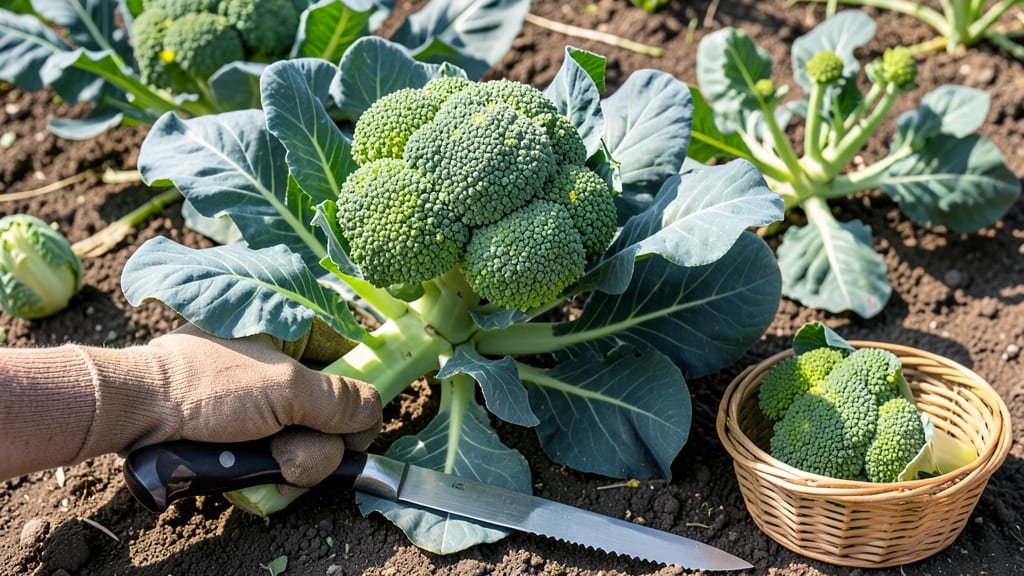
Harvesting broccoli at the right time means the difference between sweet, tender florets and bitter, woody disappointment.
Picture this: you’ve nurtured your 🥦 plants all season, and now the moment has arrived. But wait too long, and those tight buds loosen into tough, yellowing stalks. Miss the window, and you’re left with a garden full of potential—and nothing to show for it.
Timing isn’t just about days after planting; it’s about color, texture, and even the weather. A deep green head with tightly closed florets is the gold standard, but knowing when those cues appear (and how to read them) is the key to a flavor-packed harvest.
In Zone 6a, that usually lands in late June or early July, but heat waves or late frosts can shift the schedule.
Below, I’ll walk you through the exact signs to watch for—from bud tightness to stem firmness—and how to avoid the three biggest mistakes that turn great broccoli into a garden regret. Ready to pick at peak perfection?

How to identify perfectly ripe broccoli for harvesting
Timing your broccoli harvest is everything—pick too early, and you’ll miss out on full flavor; too late, and your florets turn bitter or woody. The key lies in visual cues and tactile checks that reveal peak ripeness.
I’ve learned that tight buds, deep green color, and a firm stem are non-negotiable signs your broccoli is ready for the table. Overlooking these details can mean sacrificing that sweet, crisp texture we all crave.
First, focus on the central head—this is your primary indicator. A perfectly ripe broccoli head should feel dense and compact when you gently squeeze it. If florets start to spread apart or look loose, you’ve waited too long.
I always check for closed buds that haven’t begun to open; once they bloom, the flavor shifts from sweet to bitter. Even the stem flatness matters—a flat, sturdy stem means the plant is mature and ready for harvest.
Floret color is another dead giveaway. The ideal head is a vibrant, deep green with no yellowing or browning. If you spot even a hint of yellow, it’s a warning sign that the head is overripe. I’ve found that broccoli varieties like Calabrese and Packman hold their color longer, making them slightly more forgiving for beginners. Size also plays a role—aim for heads that are 4-6 inches in diameter; smaller heads are underripe, while larger ones often taste tough.
Don’t forget to inspect the side shoots—those smaller stems that branch out from the main head. When your broccoli is ready, you’ll see small side shoots beginning to form but not yet large. These will produce additional harvests if you leave them on the plant.
I’ve had great success letting these side shoots grow after harvesting the main head, which extends my harvest window by 3-4 weeks. Just remember: the side shoots won’t be as flavorful as the main head, but they’re still delicious!
| Cue | What to Look For | Action |
|---|---|---|
| Bud Tightness | Tight, compact florets that haven’t started opening | Harvest immediately—florets lose sweetness when they open |
| Floret Color | Deep, vibrant green with no yellowing | Avoid heads with yellow or brown edges—they’re past their prime |
| Stem Flatness | Thick, sturdy, and flat against the plant | Cut stems that feel soft or hollow—they’re overripe |
| Head Size | 4-6 inches in diameter | Smaller heads are underripe; larger ones are tough and bitter |
| Side Shoots | Small shoots beginning to form | Leave them for future harvests—they’ll grow after you cut the main head |
Temperature and weather also influence ripeness. Broccoli grows best in cool weather, typically between 60-75°F. If your region experiences a sudden heatwave, your broccoli may bolt (send up a flower stalk) prematurely, ruining the head.
I’ve learned to monitor the forecast and harvest sooner if temperatures climb above 80°F. Conversely, cold snaps can slow growth, so don’t rush the harvest if your plants are struggling in chilly conditions.
One of my biggest mistakes early on was ignoring the stem thickness. A thick, sturdy stem means the plant has directed energy into growing the head, not just leaves. If the stem feels thin or hollow, the head is likely underdeveloped.
I now check stems first—if it’s 1 inch or thicker at the base, I know the head is ready. This simple tactile check saves me from harvesting immature broccoli that lacks flavor.
For container growers, timing can be trickier because space is limited. In pots, broccoli often matures faster due to warmer soil temperatures. I’ve found that container-grown broccoli is ready 5-7 days earlier than in-ground plants.
Pay extra attention to the bud tightness and stem firmness in containers, as the faster growth cycle can make it easy to miss the window. Always err on the side of harvesting a day early—overripe broccoli in containers deteriorates faster than in the ground.
Finally, don’t forget that harvest time of day matters. I always harvest broccoli in the morning, when temperatures are cool and the heads are crispest. Harvesting in the heat of the day can cause the florets to wilt quickly, even if they’re perfectly ripe.
After cutting, I store broccoli in the fridge for up to 5 days to preserve its texture and flavor. For the best results, eat it within 2-3 days of harvesting—freshly picked broccoli is unmatched in taste and texture.
Mastering these cues takes practice, but once you get the hang of it, you’ll never settle for store-bought broccoli again. The satisfaction of biting into a homegrown, perfectly ripe head is unmatched—sweet, tender, and bursting with flavor. Happy harvesting! 🌱
Common mistakes that ruin your broccoli harvest (and how to avoid them)
Harvesting broccoli at the wrong time is one of the most common mistakes that turns sweet potential into bitter disappointment. I’ve seen gardeners rush to pick their heads too early—only to get tiny, underdeveloped florets—or wait too long, ending up with tough, yellowing stems and bitter-tasting buds.
The key lies in recognizing those subtle cues that signal peak ripeness, while avoiding the pitfalls that sneak up on even experienced growers.
Seasonal variations also play a huge role in harvest timing. In cooler climates like USDA Zone 6a, broccoli often matures earlier in the season, while warmer regions might see a delayed but prolonged harvest window. Ignoring these regional differences can lead to missed opportunities or wasted effort.
For example, if you’re growing Calabrese varieties in Zone 7b, you might need to adjust your timing by 1-2 weeks compared to a cooler zone.
⚠️ Overlooked Signs of Overmaturity
Don’t wait until your broccoli head looks perfectly plump—that’s often a red flag! By the time the head reaches 6-8 inches with a yellowing tip, it’s already past its prime. The florets will be woody and bitter, and the stem may feel soft or hollow when pressed. Even worse, the side shoots will have bolted (flowered), meaning you’ve lost your chance for a second harvest.
Harvesting too early is another frequent mistake, especially among beginners eager to enjoy their homegrown produce. Picking broccoli when the head is still small and loose (under 4 inches) results in stunted growth and poor flavor development.
The florets won’t have had enough time to develop sweetness, and the head may never reach its full potential. I’ve learned the hard way that patience pays off—waiting just 3-5 more days can make all the difference in flavor and texture.
Climate also dictates your harvest window. In hotter southern regions, broccoli may mature faster due to extended daylight, while northern gardens often see a slower, more drawn-out harvest.
For instance, in Zone 5, you might need to plant early varieties like ‘De Cicco’ to avoid bolting before the first frost. Meanwhile, in Zone 8, you can often extend the season with fall plantings and enjoy harvests well into November.
Even after you’ve mastered the timing, environmental stress can throw off your harvest. Drought conditions or extreme heat can cause broccoli to bolt prematurely, while overwatering or poor soil drainage can lead to rot before the head even forms.
Always monitor your plants for signs of stress—yellowing leaves or stunted growth are clear warnings that something’s off. Adjusting your watering schedule or providing shade cloth during heatwaves can save your harvest.
Finally, don’t overlook the importance of harvesting technique. Using a sharp knife or pruners to cut the stem 1-2 inches below the head encourages regrowth for side shoots. If you twist or pull the stem, you risk damaging the plant and reducing future yields.
And always harvest on a cool, dry morning to preserve freshness and prevent disease. With these tips, you’ll avoid the most common mistakes and enjoy a bountiful, flavorful broccoli harvest all season long. 🥦