
How To
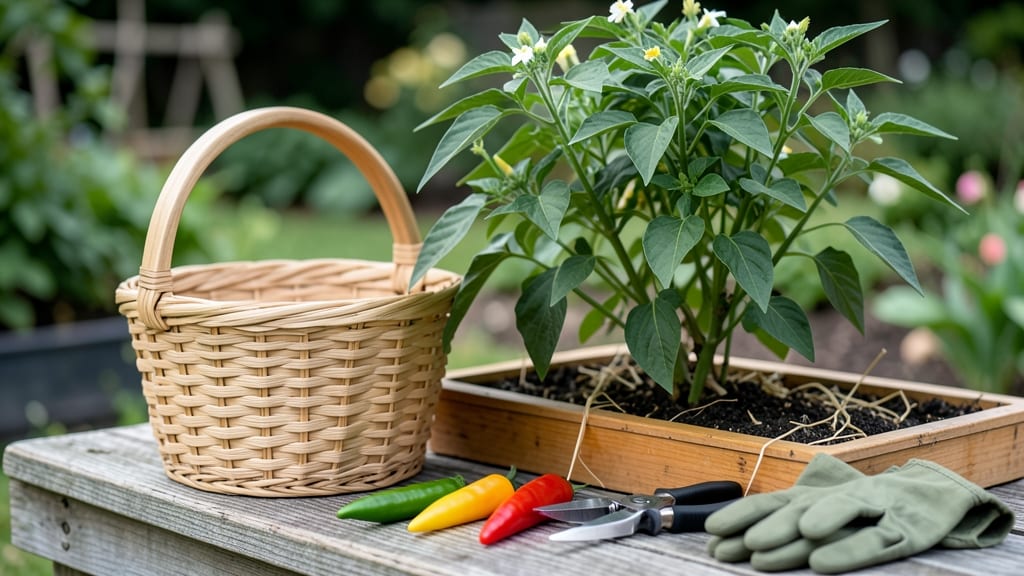
Harvesting cayenne peppers at the right time ensures their fiery flavor and heat potential—miss the window, and you’ll end up with bitter or underripe peppers that fall short of expectations.
🌶️ Picture this: You’ve nurtured your cayenne plants all season, but when you finally pick those peppers, they lack the bold kick you crave. That’s because timing matters more than you think, and color cues are the secret to perfect spice.
Most gardeners wait until cayenne peppers turn bright red, but that’s just one stage of ripeness. The truth is, harvesting too early or too late can ruin the flavor—whether you’re drying them for winter or using them fresh in your favorite dishes.
In this guide, I’ll break down the three key color stages that signal when to harvest cayenne peppers, plus how to test ripeness at home and adjust for your climate. By the end, you’ll know exactly when to snip for maximum heat and flavor.

Cayenne pepper color stages: when to harvest by ripeness
Harvesting cayenne peppers at the right color stage ensures maximum flavor intensity and heat potential. Unlike bell peppers, cayennes develop a progressive color shift from green to vibrant red, orange, or yellow—each stage offering unique qualities.
Understanding these visual cues helps you decide whether to pick for fresh use or drying.
The journey from green to ripe cayenne peppers spans 60-90 days after transplanting, depending on your climate zone and variety. In warmer regions like USDA Zone 8+, peppers may ripen faster, while cooler areas could extend the timeline.
Paying attention to color saturation and pepper firmness is key to avoiding bitter or underripe harvests.
🌱
| Stage | Color | Size | Firmness | Heat Level | Best For |
|---|---|---|---|---|---|
| Immature | Green | 1-2 inches | Soft, yielding | Mild (10,000-20,000 SHU) | Cooking, pickling |
| Turning | Green/yellow or red | 2-3 inches | Firm, slightly crisp | Medium (30,000-50,000 SHU) | Fresh eating, sauces |
| Mature | Red, orange, or yellow | 3-4 inches | Firm, glossy | High (50,000-100,000+ SHU) | Drying, powders, hot sauces |
| Overripe | Dull red/brown | 4+ inches | Soft, wrinkled | Lower (bitter notes) | Avoid (use for compost) |
The immature green stage is where cayennes start their journey, typically 60-70 days after planting. At this point, they’re mild and slightly sweet, making them ideal for pickling or cooking in dishes where you want a gentler heat profile.
However, their flavor potential hasn’t fully developed, so they lack the fiery kick gardeners grow cayennes for.
As cayennes transition to the turning stage, you’ll notice color shifts like yellow or orange patches emerging on green peppers. This phase, occurring around 75-85 days, signals increased capsaicin production, the compound responsible for heat.
The peppers will also double in size, reaching 2-3 inches in length. This is your window to harvest for fresh eating or sauces, as the heat ramps up to 30,000-50,000 SHU.
🌶️
Reaching the mature stage is what most cayenne growers aim for, as this is when the peppers achieve their peak heat and flavor. Fully ripe cayennes display deep red, orange, or yellow hues, depending on the variety, and measure 3-4 inches long.
Their skin will feel firm and glossy, and the stem should snap easily when bent—this is your cue to harvest. At this stage, heat levels can soar to 50,000-100,000+ SHU, making them perfect for drying, making powders, or hot sauces.
If you miss the harvest window, cayennes can become overripe
3 Color-stage tricks to harvest cayenne peppers at peak spice
Harvesting cayenne peppers at the right color stage transforms your garden harvest from mild to mouthwateringly fiery. Unlike bell peppers, cayennes develop heat intensity as they ripen—meaning timing directly impacts flavor. The key? Watching for three distinct color transitions that signal perfect ripeness for fresh use, drying, or preserving.
I’ve learned the hard way that picking too early means underdeveloped heat, while waiting too long risks overripe softness. The good news? Cayennes give clear visual cues. Start by checking for deep glossy hues—these aren’t just pretty, they’re your harvest roadmap.
Below are the three color-stage tricks I swear by to guarantee peak spice every time.
-
1
Green Stage (Not Ready)
Harvest: Never
Peppers are hard and green—this is their protective phase. They’ll develop zero heat until they ripen. Wait until at least 50% color change before considering harvest. -
2
Partial Color (Early Harvest)
Harvest: For fresh salsa or quick pickling
When 30-70% red/orange appears, these peppers have mild heat but still crisp texture. Ideal for immediate cooking—they won’t ripen further off the plant. -
3
Full Ripeness (Peak Spice)
Harvest: For drying or storage
Wait for 100% deep red, orange, or yellow with a slight wrinkle at the stem. These peppers pack maximum capsaicin—perfect for flakes, powders, or long-term storage.
Pro tip: For drying purposes, harvest at full ripeness but avoid overripe peppers—they’ll lose heat and texture. I always pick mine in the early morning when temperatures are cool, which preserves their freshness longer.
Use a sharp pair of pruning shears to snip stems cleanly without damaging the plant.
One mistake I made early on? Assuming all cayennes ripen the same speed. Orange varieties often mature faster than reds, while yellows can take weeks longer. Keep a harvest journal to track your specific plants’ color progression—it’ll save you from missing peak flavor seasons.
Remember, cayenne heat doesn’t peak until full ripeness. That first green pepper might look tempting, but it’s basically a mild bell pepper in disguise. Patience pays off—your taste buds (and future hot sauces) will thank you for waiting for that glossy red glow.
🌶️