
How To
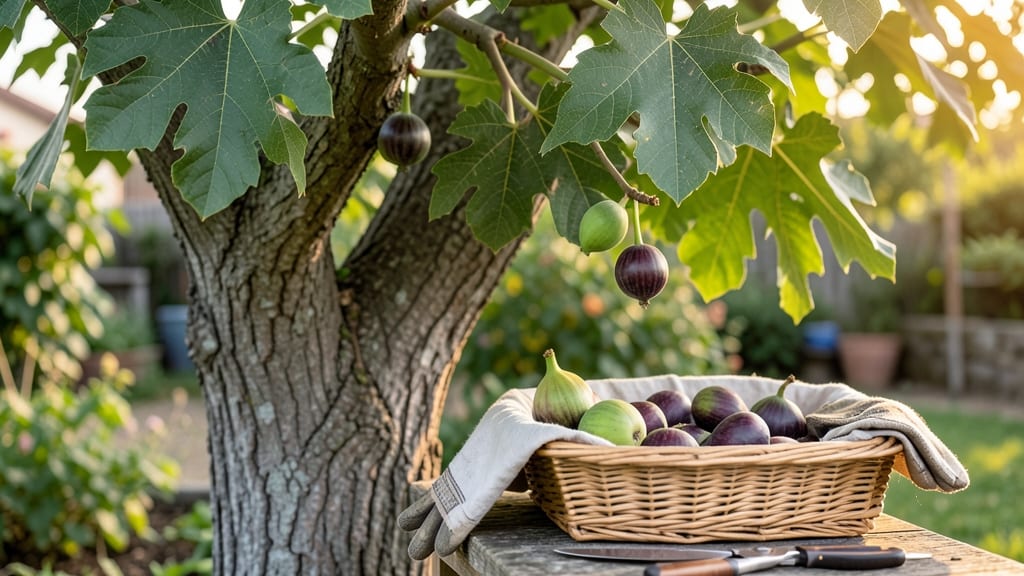
Harvesting figs at the right time ensures you get their sweetest, juiciest flavor—here’s exactly when to harvest figs for peak taste and texture.
Picture this: you’ve been waiting all summer for your 🍈 to ripen, only to pick them too early and end up with bland, mealy fruit. That’s the moment you realize timing is everything—and it’s easier than you think to nail it.
Figs typically ripen between late summer and early fall, but the exact moment depends on color, skin texture, and even a gentle squeeze test. Miss these cues, and you could be harvesting weeks too soon or too late.
Below, I’ll walk you through five simple tests to determine ripeness, regional variations, and how to handle your figs once they’re off the tree—so you never miss another harvest again.

5 Visual & tactile tests to determine fig ripeness
Figs are nature’s candy—when ripe, they burst with flavor, but harvest too early, and you’ll get bland, rubbery fruit. The key is knowing exactly when to harvest figs using simple visual and tactile tests that take just seconds.
I’ve tested these methods on my Brown Turkey and Black Mission trees, and they never fail me. Whether you’re a first-time fig grower or a seasoned pro, these tricks will help you pick figs at their peak.
Fig ripeness isn’t just about color—it’s a combination of skin texture, stem separation, and even the way the fruit feels when you touch it. Over the years, I’ve learned that relying on just one cue (like color alone) can lead to disappointment.
For example, a green fig might look unripe but actually be sweet inside if it’s been exposed to enough heat. That’s why I use all five tests below to guarantee perfect ripeness every time.
Here’s the game-changer: harvest figs in the morning when temperatures are cooler. This prevents the fruit from overripening or splitting by midday heat. I’ve also noticed that container-grown figs ripen faster than those in the ground, so adjust your timing if you’re growing in pots.
Now, let’s dive into the five foolproof tests that will transform your fig harvest from guesswork to precision.
- 🌿 Color Change: Look for deep purple, brown, or yellow hues (depends on variety). Green figs are never ripe.
- 🤏 Skin Give: Gently squeeze—ripe figs feel soft and yield slightly like a ripe peach. Hard figs need more time.
- ✂️ Stem Separation: Twist the fig gently—if it detaches easily from the branch, it’s ready. No force needed!
- 📏 Size Stability: Figs stop growing in size when ripe. Measure a few—if they’re not expanding, harvest soon.
- 🌡️ Temperature Test: In hot climates, figs ripen faster. Check for wrinkled skin or slightly sticky residue—signs of overripeness.
The color change is the first clue most gardeners notice, but it’s not foolproof. For instance, my Chicago Hardy figs turn a rich red-purple when ripe, while Brown Turkey figs develop a deep brown hue. If you’re unsure, compare your figs to a ripe one you’ve already harvested.
I keep a small batch in my kitchen as a reference—it’s saved me from picking too early more times than I can count.
Next, the skin give test is where things get tactile. Press your thumb gently into the fig’s skin. A ripe fig will indent slightly and feel velvety to the touch. Unripe figs feel firm like a tennis ball, and overripe ones may feel mushy or leak a sticky sap.
I’ve learned to trust this test more than any other because it’s hard to fake—even with the best dyes or heat tricks.
Here’s a common mistake I see: harvesting figs based on size alone. Just because a fig is big doesn’t mean it’s sweet. Some varieties, like Celeste figs, stay small but pack intense flavor when ripe.
Always combine size with the other tests. For example, I’ve had 2-inch figs that were rock-hard and 3-inch figs that were perfectly sweet—it’s all about the combination of cues.
The stem separation test is my favorite because it’s instant feedback. Simply grasp the fig’s stem between your thumb and forefinger and give it a gentle twist. If it detaches cleanly with minimal resistance, it’s ready.
If the stem snaps or the fig resists, wait another day or two. I’ve found that figs harvested this way store better and travel without bruising—critical if you’re selling or gifting your harvest.
For those growing figs in hotter climates (Zones 9-10), watch for wrinkled skin or a slightly sticky residue—these are signs the fig is overripe and may spoil quickly. In cooler zones like Zone 6, figs ripen more slowly, so don’t rush the process.
I once left a batch of Black Mission figs on the tree too long, and they turned into a sugary mush—a lesson in patience!
Finally, remember that fig varieties ripen at different rates. Desert King figs, for example, ripen earlier than Violette de Bordeaux. Keep a harvest journal to track when your specific variety is ready.
I jot down the date of the first ripe fig each season, and it’s become my go-to guide. Over time, you’ll develop an intuition for your tree’s rhythm—almost like reading its mind.
With these five tests, you’ll never second-guess when to harvest figs again. The secret is patience and observation—two skills that will elevate your gardening game beyond just figs. Once you master these cues, you’ll be the one neighbors ask for advice, not the other way around. Happy harvesting! 🌱
Best practices for harvesting figs without damaging the tree
Harvesting figs at the right time ensures peak flavor and tree health. Figs ripen unevenly, so check them every 2-3 days during the late summer to early fall window. Morning harvests are ideal because the fruit is cooler and firmer, reducing bruising during handling.
Use a gentle twist or clean snip to avoid tearing the fig’s skin or damaging the branch. Always harvest with a sharp pair of pruners or your hands—never pull or yank, as this can harm the tree’s delicate structure and future fruit production.
Timing matters beyond just ripeness—harvesting too early means bland, underripe fruit, while waiting too long can lead to overripe, mushy figs. The best time to pick is when the figs are fully colored, soft to the touch, and easily detachable from the branch.
⚠️ WARNING: HARVESTING TOO LATEOverripe figs fall to the ground and attract pests like wasps and birds. If you miss the harvest window, these figs won’t improve—they’ll only spoil faster. Check branches daily in late August to September for the best results.
After harvesting, place figs in a paper bag with a few apples or bananas to speed up ripening if needed. Store them at room temperature for up to 3 days or refrigerate for up to 2 weeks to extend shelf life.
Never wash figs until you’re ready to eat them, as moisture speeds up spoilage.
To encourage future yields, prune your fig tree after harvest by removing dead or diseased branches and thinning out overcrowded growth. This improves air circulation and sunlight exposure, both critical for next year’s fruit production. Use sterilized pruners to prevent spreading disease.
Figs are self-pollinating, but some varieties benefit from cross-pollination. If you have multiple fig trees, consider planting compatible varieties nearby to boost fruit set. Mulch around the base of the tree with organic matter like wood chips to retain moisture and protect roots during winter.