
How To
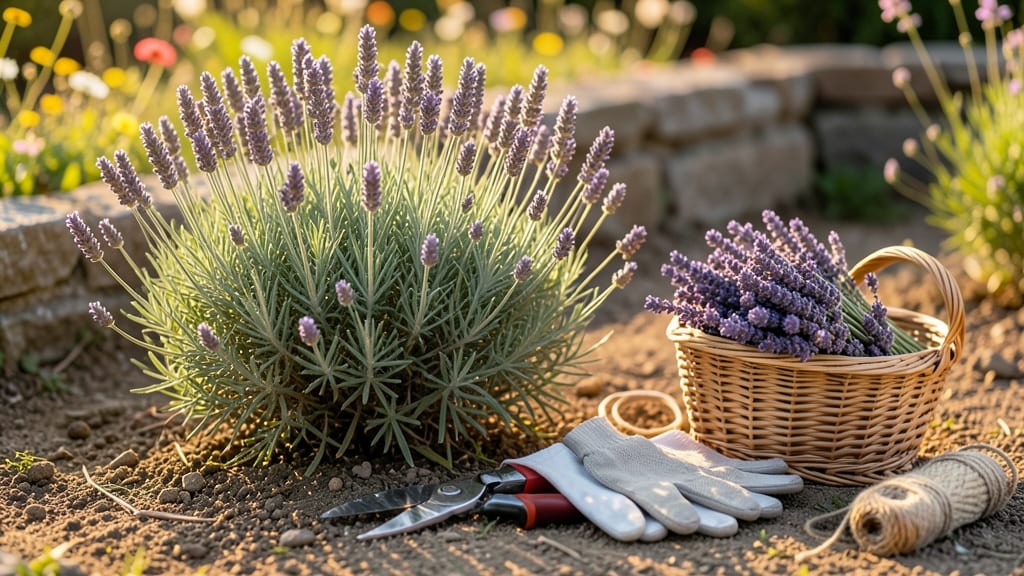
Harvesting lavender for drying at the right time captures its peak fragrance and vibrant color—when buds are just two-thirds open but before they fully bloom.
Timing your lavender harvest perfectly ensures you capture its richest fragrance and vibrant purple hues—but miss the window, and you’ll end up with weak stems or faded blooms. This narrow window means precision matters, especially if you’re aiming for that apothecary-worthy scent and deep purple hue.
Most gardeners in USDA Zone 6a (like me!) should harvest between mid-July and early August, when morning dew has dried but the sun hasn’t yet weakened the buds. Too early, and the oils aren’t concentrated enough; too late, and the petals turn brown and brittle.
In this guide, I’ll walk you through how to spot the ideal bud stage, the best time of day to cut, and pro tips to dry lavender that smells like a Provençal summer long after harvest.
Whether you’re drying bundles for sachets or crafting wreaths, nailing the timing makes all the difference.

The perfect lavender bud stage for harvesting and drying
Harvesting lavender at the wrong stage can turn your fragrant dreams into a scentless disaster. The key lies in catching those purple buds when they’re just beginning to open—about 30% bloom. This stage locks in the richest aroma and vibrant color that makes dried lavender so prized.
Unlike fully opened flowers, these buds contain the highest concentration of essential oils, which evaporate as blooms mature. Think of it like catching a wave at its peak—timing is everything.
Visual cues are your best friend here. Look for buds that are 3-4 centimeters long with a firm, woody stem and purple tips just peeking open. The leaves should also be fully developed and emit that signature lavender scent when crushed.
If you pick too early, you’ll get green buds with minimal fragrance, and if you wait too long, the stems will become woody and the scent will fade. It’s a delicate balance that separates good from great.
| Bud Stage (Visual Cues) | Harvest Timing | Fragrance Potential | Drying Outcome | Avoid If... |
|---|---|---|---|---|
| Green buds, 1-2 cm | Too early | Very low (underdeveloped oils) | Pale, weak stems | Buds tightly closed |
| Purple buds, 3-4 cm, 30% open | Optimal harvest window | Peak aroma (highest oil content) | Vibrant color, firm stems | Stems too soft or woody |
| Fully bloomed, wilted petals | Too late | Low (oils dissipated) | Dull color, brittle stems | Petals falling off |
One of the biggest mistakes I see gardeners make is harvesting lavender when it’s fully bloomed. By this stage, the essential oils have already begun to degrade, and the stems become overly woody. The result? Dried lavender that looks sad and smells faint.
I learned this the hard way—my first harvest was a dull purple mush because I waited too long. Now, I mark my calendar for mid-to-late summer (July-August in the Northern Hemisphere) and check buds daily during peak bloom season.
Don’t forget to consider your lavender variety. English lavender, for example, has larger buds that open slightly earlier than French or Spanish varieties. If you’re growing dwarf varieties, they’ll mature faster, so keep an eye on them.
Pro tip: Snip a few stems to test the scent—if it’s weak, you’ve missed the window. The goal is to harvest when the buds are firm to the touch and emit that classic lavender fragrance.
Regional differences also play a role. In cooler climates, lavender may bloom later in the season, while warmer regions can see earlier blooms. Pay attention to your local frost dates—you want to harvest before the first frost hits, as cold temperatures can damage the stems and reduce drying success.
If you’re in doubt, err on the side of harvesting slightly early rather than late. You can always leave some buds to mature for a second harvest, but once they’re overripe, there’s no bringing back that peak fragrance.
Another pro trick? Harvest on a dry, sunny morning after the dew has evaporated. This ensures your stems are crisp and ready for drying. Avoid harvesting after rain, as damp stems can develop mold during the drying process.
I like to use clean, sharp pruners and cut stems at a 45-degree angle about 6 inches below the buds. This encourages bushier growth and makes the stems easier to bundle later.
Once you’ve identified the perfect buds, the next step is drying. But timing the harvest correctly is half the battle—proper drying techniques will make or break your results. If you harvest at the ideal stage but dry incorrectly, you’ll still end up with weak, fragrant-free lavender.
That’s why I always pair my harvest with a well-ventilated, dark space (like a closet or shed) to preserve those vibrant purple hues and rich aromas.
Remember, lavender is a perennial, so with proper care, you can harvest it for years. Each year, your plants will mature and produce even more robust stems. The key is consistency—harvesting at the same stage annually ensures your dried lavender maintains its quality.
Start with small batches to practice, and soon you’ll be the envy of the neighborhood with your perfectly timed lavender harvests.
Now that you’re ready to harvest, grab your pruners and head to the garden. The perfect lavender bud stage is waiting—and so is that incredible scent you’ve been dreaming of! 🌿
Best time of day, weather conditions, and pruning techniques for lavender harvest
Harvesting lavender at the right time of day and under ideal weather conditions can make or break your dried lavender’s quality. The essential oils that give lavender its signature scent peak in the early morning when the air is cool and dew-free.
This is when the buds are firmest and packed with the most potent fragrance. Avoid harvesting in the heat of the day, as the oils can degrade and the stems may wilt faster.
For the best results, aim to harvest your lavender between 6:00 AM and 9:00 AM on a clear, sunny day. The temperature should be between 55–75°F, as extreme heat or cold can stress the plant and reduce oil production.
If you must harvest later in the day, choose a cool, breezy afternoon to minimize wilting. Always check the forecast for dry weather—rain or humidity can lead to mold during drying.
⚠️ callout warning
- After rain: Wet buds dry poorly and risk mold. Wait 24+ hours for stems to fully dry.
- Overripe flowers: Fully open blooms lose fragrance and turn brown. Harvest when 30% of buds are open.
- Cutting old wood: Prune above a leaf node to encourage new growth. Avoid cutting into woody stems.
- ☑️ No dew on buds (harvest early morning)
- ☑️ Stems firm when squeezed (avoid soft, green stems)
- ☑️ 30% of buds open (partial bloom stage)
When pruning lavender for harvest, use clean, sharp shears to make cuts just above a leaf node or set of leaves. This encourages the plant to branch out and produce more stems next season. Never cut into the old woody growth, as lavender struggles to regrow from these areas.
For first-time harvests, trim only the top third of the plant to avoid shocking it. Subsequent harvests can be slightly more aggressive, but always leave at least half the plant intact to maintain its health.
After harvesting, bundle the stems into small groups of 5–10 stems and secure them with a rubber band or twine. Hang them upside down in a well-ventilated, dry area away from direct sunlight. This method preserves the color and fragrance better than other drying techniques.
If you’re short on space, you can also lay the bundles on a screen or mesh surface in a single layer. Avoid using heat sources like ovens or hairdryers, as they can scorch the buds and diminish their aroma.
Lavender thrives in full sun and well-draining soil, so if your plants are struggling post-harvest, consider adding gravel or sand to the soil to improve drainage. Overwatering is a common mistake—lavender is drought-tolerant and prefers dry conditions.
Water deeply but infrequently, allowing the soil to dry out completely between waterings. This care routine ensures your lavender stays healthy and productive for years to come.
By mastering the art of timing, you’ll transform your lavender harvest into a fragrant, long-lasting treasure. Whether you’re crafting potpourri or savoring the scent of dried lavender sachets, these techniques will help you get the most out of your garden. Happy harvesting! 🌿