
How To
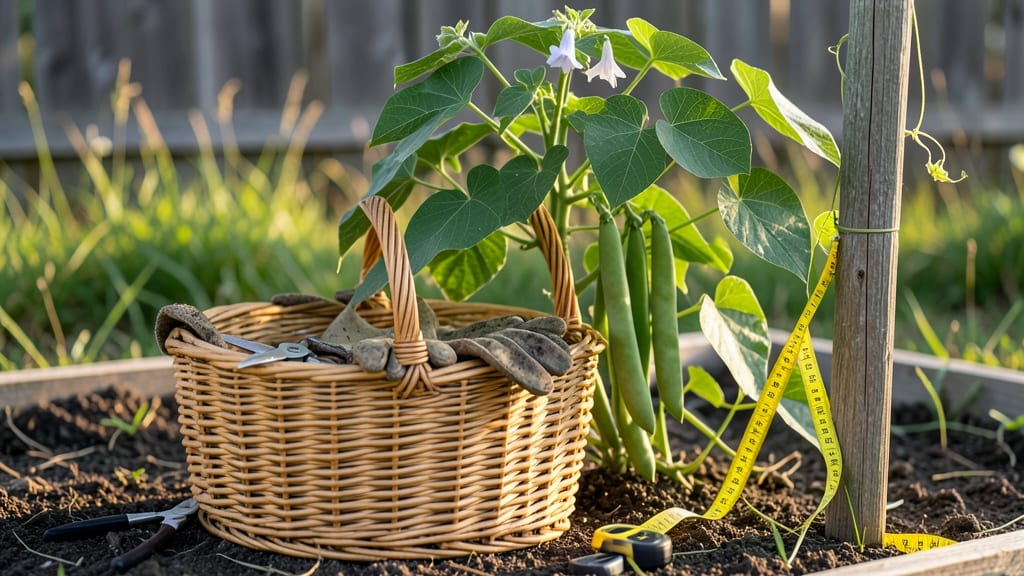
Harvesting lima beans at the right time transforms them from tough and starchy to creamy and buttery—the difference between a mealy mess and a garden-fresh delight.
Picture this: you’ve spent weeks nurturing your 🌱 lima beans, only to pull a pod that snaps back at you like a rubber band. That’s the moment you realize timing isn’t just important—it’s everything.
Lima beans mature fast, and missing the window by even a day can turn your harvest into a chewy disappointment.
Knowing when to pick isn’t just about size—it’s about texture, color, and even the way the pod feels between your fingers. Flat pods should be 4–6 inches long and just starting to plump, while bush varieties need a little more patience.
Get it wrong, and you’ll end up with seeds that outpace the pod’s tenderness, leaving you with a harvest that’s more suitable for drying than fresh eating.
In this guide, I’ll walk you through the three foolproof tricks to nail the perfect harvest, from the finger-press test to weekly checklists that keep your plants producing like clockwork. By the end, you’ll never second-guess when to reach for those scissors again.

3 Key pod-stage tricks to identify perfect harvest timing
Harvesting lima beans at the right moment transforms them from rubbery disappointments into creamy, buttery delights. The challenge? Lima beans mature fast—sometimes in just 24 hours—so missing that window means tough, stringy pods.
I’ve learned the hard way that visual cues and tactile tests are your best friends here, especially when comparing bush varieties (like Fordhook) to pole climbers (like Henderson). Both need attention, but their ideal harvest stages differ slightly.
First, let’s tackle the most critical visual clue: pod size. For both bush and pole lima beans, pods should stretch to 4–6 inches long—about the width of your palm. Smaller than 3 inches? Too early.
Larger than 6 inches? You’ve waited too long, and those seeds inside will start dominating the flavor. I always compare mine to a standard ruler or my hand for a quick check while weeding.
🌱 3 Non-Negotiable Harvest Tricks
- 1. Pod Length: Aim for 4–6 inches (palm-width). Bush varieties hit this sooner than pole types—check them every 2–3 days once flowering ends.
- 2. Color & Texture: Pods should be smooth and matte, not glossy or woody. A light green hue (not deep green) signals peak tenderness.
- 3. Seed Check: Gently squeeze the pod—if seeds are small and firm (like peas), harvest now. If they’ve swollen to fill the pod, wait 1–2 days too late.
Pro Tip: Pole beans often lag 3–5 days behind bush varieties—adjust your checks accordingly!
Color is your next secret weapon. Lima bean pods start pale green but darken as they mature. At peak harvest, they should be a vibrant, even green—not yellowing or dull.
I’ve noticed that pole varieties (like Henderson) sometimes develop faint stripes as they near readiness, while bush types stay uniformly colored. If you see brown speckles or drying edges, it’s a clear sign you’ve missed the window.
Don’t skip the tactile test—this is where many gardeners stumble. Gently press a pod between your thumb and forefinger. It should yield slightly (like a ripe avocado) but not feel mushy. If it’s rock-hard, it’s underripe; if it’s soft and denting easily, you’ve waited too long.
I test 3–5 pods per plant to account for variability, especially in uneven sunlight or drought conditions.
Seed development is the final tiebreaker. Split open a pod to peek inside—if the seeds are small, round, and pea-sized, harvest immediately. If they’ve grown to half the pod’s length or look wrinkled, the pod has passed its prime.
I keep a small knife or scissors nearby to test pods discreetly, especially in high-yielding pole varieties where pods mature at different rates on the same plant.
Here’s where variety matters: Bush lima beans (like Baby Fordhook) mature faster—often in 60–70 days—so I harvest them every 2–3 days once pods appear. Pole varieties (like Christmas) take 75–90 days and benefit from weekly checks since their vines produce pods over a longer window.
I’ve found that pole beans reward patience with a prolonged harvest season, while bush types demand daily vigilance.
Timing also shifts with climate. In hot, dry summers, lima beans mature faster—sometimes too fast! I’ve had pods go from perfect to overripe in 48 hours during heatwaves.
Conversely, cool, cloudy weather slows development, giving you a wider harvest window. Always adjust your harvest frequency based on your local forecast and the plant’s growth rate.
One mistake I see often is harvesting all pods at once. Lima beans produce continuously—if you strip a plant bare, it’ll stop flowering and focus on seed development. Instead, pick pods every 2–3 days and leave some behind to encourage new growth.
I use sharp pruning shears to snip pods just above the pod attachment point, which minimizes damage to the vine.
Finally, store harvested lima beans properly to preserve their tenderness. Place them in the fridge for up to 5 days or blanch and freeze for long-term storage. I’ve found that pole bean pods hold up better when frozen than bush varieties, which can turn mushy faster.
For drying, let pods mature slightly longer (until seeds are firm) and hang them in a well-ventilated, dry space.
Mastering these three pod-stage tricks—size, color, and seed check—will turn your lima bean harvest from hit-or-miss to consistently tender. Start with your earliest-maturing bush varieties, then expand to pole beans as you gain confidence.
Soon, you’ll be the gardener everyone asks for perfectly timed lima beans—ready to steam, boil, or freeze for later.
How to test lima bean tenderness: the finger-press method
Harvesting lima beans at the right moment transforms them from tough, stringy pods into the creamy, buttery treats we all love. The finger-press method is my go-to trick for testing tenderness—it’s quick, foolproof, and works for both bush and pole varieties.
Unlike guessing by size or color, this tactile test gives you an instant answer while you’re in the garden.
Start by selecting a 4–6 inch pod—this is the ideal size range for most lima bean varieties. Gently grasp the pod between your thumb and forefinger and apply light pressure. If the pod feels firm but yields slightly (like a ripe avocado), it’s ready to harvest.
If it’s rock-hard or springs back like a rubber band, give it another 2–3 days before checking again.
⚠️ callout-warning
Overharvesting: Picking too early (pods <3 inches) stresses plants and reduces yield. Underharvesting: Waiting too long (pods >6 inches) turns beans tough. Flat-pod varieties (like 'Fordhook') mature faster than bush types—adjust your timing accordingly.
💡 Climate Tip: Hot, dry weather speeds up maturity. Test pods daily in summer vs. every 3–4 days in cooler months.
For pole lima beans, climb your trellis and test pods at the lower third of the plant first—these mature earliest. With bush varieties, focus on the outermost pods since they develop slightly ahead of center growth.
Pro tip: Harvest in the morning after dew dries—pods are crispest then and less prone to bruising.
If your beans feel slightly soft or mushy when pressed, you’ve waited too long. The seeds inside will be large and plump, and the pod may even split open at the seams.
At this stage, they’re past their prime for fresh eating but still great for drying or freezing. For best flavor, aim to harvest when pods are 4–5 inches long and seeds are pea-sized—this ensures maximum tenderness.
Adjust your harvesting schedule based on your local climate. In hot, humid regions, lima beans mature faster—check pods every 2–3 days. In cooler zones, stretch out harvests to 4–5 days between checks.
Always use clean, sharp scissors or pruners to avoid damaging the vine, and harvest the entire pod from stem to tip for the best texture.
With practice, you’ll develop an instinct for the perfect harvest window. The finger-press method isn’t just about timing—it’s about respecting the plant’s natural rhythm. When you master it, you’ll enjoy a steady supply of homegrown, restaurant-quality lima beans all season long. Happy harvesting! 🌱