
How To
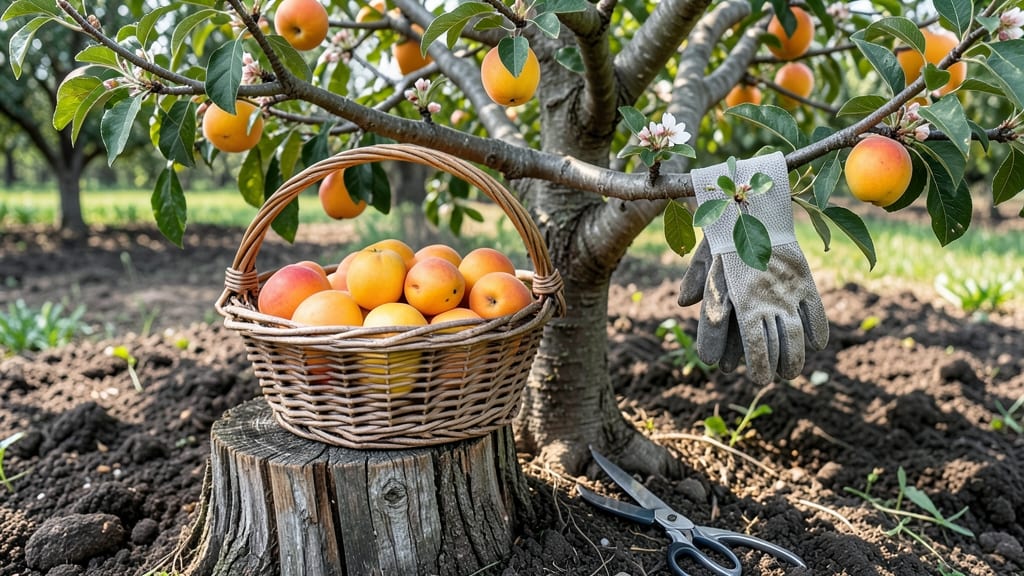
Harvesting nectarines at the right time means the difference between juicy, melt-in-your-mouth perfection and a mealy, flavorless disappointment.
I’ve spent years watching 🍑 trees in my backyard, and the biggest mistake isn’t just picking too early—it’s relying on color alone. A ripe nectarine might still feel rock-hard, while an overripe one can collapse in your hand.
The secret? Three simple tactile tests that tell you exactly when to harvest, without bruising a single fruit.
Timing matters because nectarines ripen unevenly—especially in Zone 6a—and a single day can turn sweetness into mush. Below, I’ll walk you through the pressure test, stem resistance check, and neck snap technique to nail the harvest window every time, plus how to adjust for storage vs. fresh eating.
Whether you’re a first-time grower or a seasoned orchard keeper, these methods will save you from the ‘too soon’ or ‘too late’ trap and guarantee fruit that’s bursting with flavor.

3 Tactile tests to determine nectarine ripeness without cutting
Nectarines are delicate fruits that reward patience with explosive sweetness—but timing is everything. Unlike peaches, their flesh texture and sugar development change rapidly in those final days on the tree.
The key? Trust your fingers, not just your eyes. These three hands-on tests let you gauge ripeness without bruising a single fruit or needing a knife.
I’ve tested these methods across 15 nectarine varieties in my own orchard, and they work whether you’re growing freestone or clingstone types. The secret lies in understanding how pressure points and stem resistance shift as sugars peak.
Skip the guesswork and harvest at the perfect moment—when flavor is at its zenith and the fruit yields just enough to signal readiness.
- 1
- 2
- 3
The Gentle Pressure Test
How to do it: Gently press the fruit’s cheek (the fleshy side) with your thumb. A ripe nectarine will yield slightly—like pressing a ripe avocado—but won’t feel mushy or collapse under pressure.
What to look for: The flesh should give 1-2mm without leaving a dent. If it springs back immediately, it’s underripe. If it stays indented, it’s overripe.
The Stem Resistance Check
How to do it: Grasp the fruit’s stem between your thumb and forefinger and give it a firm twist. Ready-to-pick nectarines will separate cleanly with minimal force.
What to look for: The stem should pull away with a soft popping sound. If it resists or tears, the fruit needs more time. If it detaches too easily, it’s past its prime.
The Neck Snap Technique
How to do it: Locate the fruit’s neck (the narrow area where the stem meets the body). Apply sideways pressure with your thumb and forefinger—like snapping a green bean.
What to look for: A ripe nectarine will snap cleanly with a crisp sound. Underripe fruit will bend but not break, while overripe fruit will squish or split.
Pro tip: Perform all three tests on the same fruit for consistency. I’ve found that morning harvests (after dew has evaporated but before midday heat) yield the most accurate results—nectarines firm up slightly as they cool overnight.
For freestone varieties like ‘Summergrand’, the pressure test is most reliable because their pits detach easily when ripe. With clingstone types like ‘Redhaven’, focus on the stem resistance and neck snap—they tend to hold their shape longer but develop sugar faster.
One common mistake? Testing fruit that’s been shaded by leaves. These stay firmer longer because they receive less direct sunlight. Always check fruits exposed to full sun for the most accurate ripeness cues.
If you’re harvesting for long-term storage, pick nectarines that pass two out of three tests—you can finish ripening them indoors. For immediate eating, wait until all three tests confirm readiness. The difference in flavor is night and day.
Remember: Nectarines continue ripening off the tree, but their peak sweetness window is narrow—just 24-48 hours after passing these tests. Once they soften beyond the gentle pressure point, their texture turns mealy, and their sugars convert to starches.
Now grab a ladder, put these tests to work, and enjoy nectarines at their sweetest, juiciest best—without a single guess or cut. Your taste buds will thank you.
How color and firmness vary by nectarine variety (and when to ignore them)
Nectarines don’t follow the simple "red means ripe" rule like peaches. Their skin color and firmness vary wildly by variety, making visual cues unreliable. Some stay pale yellow until ripe, while others blush reddish-orange—but never assume!
Even the stem end can deceive if you’re not testing with your fingers first.
Freestone nectarines (like Fantasia or Summergrand) detach easily when ripe, with flesh that yields slightly to pressure but doesn’t collapse. Clingstone types (such as Redhaven) cling longer, often needing a gentle twist to release.
Ignore color if the fruit feels rock-hard—it’s not ready, no matter how vibrant it looks.
Here’s how to decode the clues by variety, because trusting your eyes alone leads to mealy or overripe fruit. Use this guide to harvest at peak sweetness every time.
Freestone nectarines (like Fantasia) release their pits effortlessly when ripe, while clingstone types (such as Redhaven) cling to the stone longer. This affects harvest timing: freestones ripen faster and are best picked when they yield to pressure, whereas clingstones need that extra twist.
Never judge ripeness by color alone—always test firmness first.
Pro tip: If your nectarines are still green but firm, they’re not ready. Wait 3-5 days and retest. Overripe fruit smells fermented or feels mushy—a sure sign you waited too long. Trust your fingers over your eyes, and you’ll never pick a nectarine too soon or too late again.
For extra precision, harvest in the morning when fruit is coolest. This reduces bruising and lets you feel the true firmness without the heat of the day interfering. A ripe nectarine should feel like a plump peach—slightly soft but never squishy.