
Vegetables
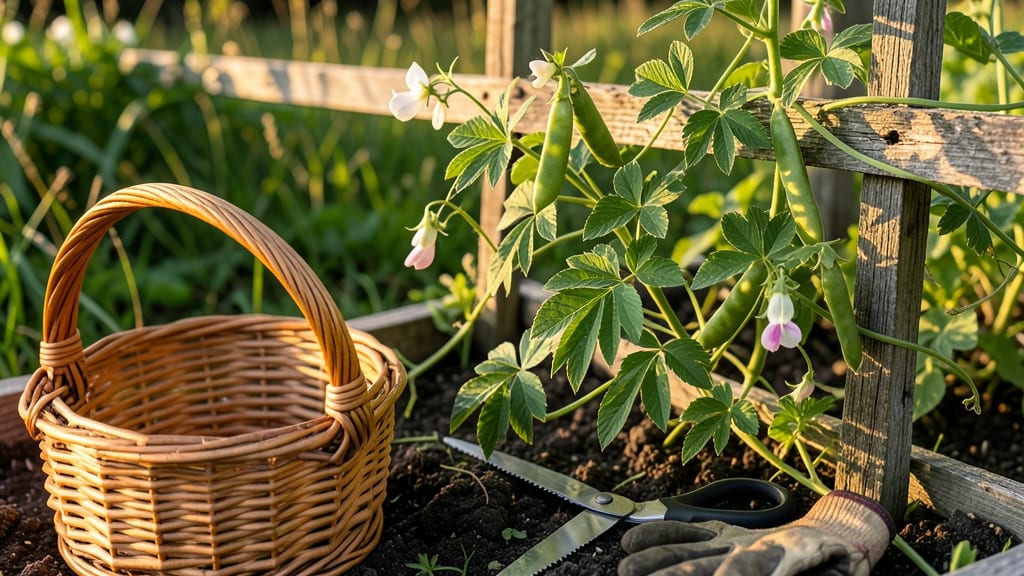
Harvest peas when pods are 2-2.5 inches long and bright green—this is the sweet spot before they toughen up and lose flavor.
Pea pods that go from sweet to tough in a matter of days—missing the perfect harvest window means bland, stringy peas. But with these simple visual cues, you’ll know exactly when to pick them for peak flavor and texture.
Think of those plump, glossy pods as nature’s sweetness indicators. If you wait too long, the pods harden, the peas inside swell, and the once-tender snap turns mealy. The key is acting fast once they hit that ideal size.
Below, I’ll show you how to test for ripeness, adjust your harvesting schedule based on variety, and avoid the common mistakes that turn a great crop into a tough one.

3 Visual cues to harvest peas at peak sweetness
Pea pods transform from tender and sweet to tough and fibrous in just a few days, making timing everything. The difference between perfectly sweet peas and stringy, overripe ones often comes down to knowing exactly when to harvest.
I’ve learned the hard way—waiting just one extra day can turn your harvest into a disappointing meal. The key is recognizing these three simple visual cues that guarantee peak flavor and texture.
First, pay attention to the pod size. When peas are ready, their pods are typically 2 to 2.5 inches long. This is the ideal window where the peas inside are fully developed but still sweet.
Smaller pods mean the peas aren’t fully mature, while larger pods often signal the start of a decline in sweetness. Measuring your pods with your thumb can help you gauge this quickly while you’re out in the garden.
Next, focus on the pod color. Ready-to-harvest peas should be a vibrant, bright green. If the pods start to turn yellow or develop brown spots, it’s a clear sign they’ve passed their prime.
The glossy sheen on the pods is another indicator—they should look fresh and slightly waxy. Dull or matte pods are a red flag that the peas are overripe and losing their sweetness.
Finally, check the seed development inside the pod. When peas are at their sweetest, you should be able to see the peas through the pod’s skin, but they shouldn’t be fully filling the pod.
If the peas are crowding each other or the pod feels tight, it’s time to harvest before they toughen up. This visual cue is especially important for shelling peas, where the goal is to maximize sweetness before the peas inside start to harden.
🌱 3 Visual Cues to Harvest Peas
- Pod Size: 2-2.5 inches long (thumb-width reference)
- Pod Color: Bright green and glossy (no yellowing or brown spots)
- Seed Stage: Visible but not crowded (peas should fit loosely inside)
Pro Tip: Harvest in the morning when pods are cool and crisp for the best flavor.
One mistake I’ve seen gardeners make is waiting until the pods are fully swollen or starting to dry out. By then, the peas inside have already begun to lose their sweetness and develop a mealy texture.
To avoid this, I recommend checking your peas every 2 to 3 days once they start to form pods. This frequent monitoring ensures you never miss the sweet spot and can enjoy a steady supply of fresh peas.
If you’re growing sugar snap peas or snow peas, the rules are slightly different. These varieties are best harvested when the pods are still tender and slightly underdeveloped.
For sugar snaps, aim for pods that are flat but not too thick, while snow peas should be bright green and flexible. The key is to pick them before the seeds inside become noticeable, as this is when they start to toughen.
Another helpful trick is to squeeze the pod gently between your fingers. If it feels firm but yields slightly, it’s ready. If it’s too hard or feels mushy, it’s past its prime.
This tactile check can be especially useful if you’re unsure about the visual cues, especially on cloudy days when colors might appear less vibrant. Trust your sense of touch—it’s a reliable backup to your eyes.
Remember, the harvest window is short for peas. Once you start seeing pods that are dry or shriveled, the plant is shifting its energy toward seed production. This is your cue to harvest what’s left and prepare for the end of the season.
With these visual cues in mind, you’ll never again miss the perfect moment to pick peas at their sweetest.
For extra sweetness, try harvesting peas in the early morning when temperatures are cooler. This is when their natural sugars are at their peak, and the pods are at their crispest.
Store them in the refrigerator for up to 5 days or eat them fresh for the best flavor. Happy harvesting!
How to test pea sweetness before harvesting
When your pea plants start producing pods, the real challenge begins—determining the perfect moment to harvest. Unlike some vegetables, peas don’t ripen after picking, so timing is everything.
The best way to test for sweetness is by combining a simple pod-squeeze technique with a quick taste test of a small sample.
Start by examining the pods for bright green color and firmness. A ripe pea pod should feel slightly crisp when gently squeezed between your fingers. If it yields or feels soft, it’s past its prime.
For sugar snap peas, the pods should be plump and glossy, while shelling peas should have visible but still undeveloped peas inside.
Adjust your harvesting frequency based on the pea variety. Sugar snap peas and snow peas mature faster—typically every 2-3 days—while shelling peas can wait 3-4 days between harvests. Check pods daily once they start forming, as they can go from perfect to overripe in just 24 hours.
For early-season varieties, harvest in the morning when sugars are concentrated. Later in the season, focus on consistency—don’t let pods grow beyond 2.5 inches, as they’ll toughen quickly. If you’re unsure, pick a few pods for testing and adjust your schedule based on flavor feedback.
Remember, the key to sweet peas is regular harvesting. The more you pick, the more your plants will produce. If left unharvested, pods will harden, and the peas inside will develop a starchy, less sweet flavor.
Keep a small bowl nearby to collect your harvest and enjoy those fresh, garden-fresh peas at their peak!
Once you’ve mastered the taste test, you’ll never miss the perfect harvest window again. Happy picking—and may your pea pods always be plump, sweet, and ready just in time! 🌱