
Picking
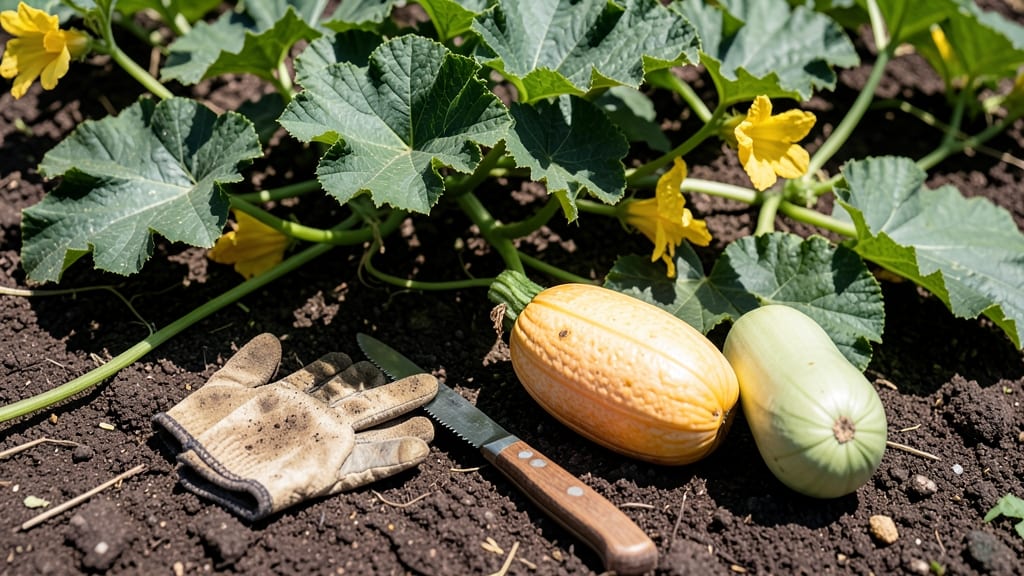
Knowing when to harvest spaghetti squash from the garden at 85–100 days after planting is the secret to unlocking its signature tender strands 🎃—but timing it wrong means tough, dry flesh that’s a far cry from restaurant-quality texture.
Picture this: you’ve nurtured your spaghetti squash all season, and now the moment of truth arrives. One wrong move, and you’re left with a squash that’s either too hard to eat or has already started to spoil.
The key? Knowing exactly when those vines yellow, the skin dulls, and the weight feels just right.
In USDA Zone 6a, where frost can sneak in by mid-October, missing the harvest window means risking a ruined crop. But with the right cues—like a rind that resists your thumbnail or seeds that darken when cracked open—you’ll never second-guess when to pull it from the vine.
Below, I’ll walk you through the three foolproof signs your spaghetti squash is ready, plus how to store it afterward so every bite stays as perfect as the day you harvested it.
3 Visual signs your spaghetti squash is perfectly ripe for harvest
Harvesting spaghetti squash at the right moment transforms your garden bounty into tender, stringy perfection instead of tough, unappetizing chunks. The key lies in observing three critical visual cues that signal peak ripeness.
These signs—vine color, skin texture, and stem condition—work together to tell you exactly when to pick your squash for the best flavor and texture.
I’ve learned the hard way that waiting too long results in overripe squash that’s woody and flavorless, while harvesting too early means you’ll end up with underdeveloped fruit. The good news?
Mastering these three visual indicators will help you nail the perfect harvest window every time, ensuring your spaghetti squash turns out delicate and ready for roasting.
Healthy vines start dying back and turn brown and papery. This signals the plant is redirecting energy to the fruit, ensuring maximum sweetness.
Mature spaghetti squash loses its green hue, turning a pale, matte yellow. Avoid bright orange—this indicates overripeness.
Press your thumbnail into the skin—if it doesn’t dent, the squash is ready. Soft spots mean it needs more time on the vine.
Let me break down why these signs matter. The yellowing vines indicate the plant’s energy is fully invested in the fruit, not new growth. This shift is your first clue that the squash is nearing maturity.
I’ve found that ignoring this sign often leads to underripe fruit that’s still developing inside.
Next, pay attention to the skin’s color transformation. A dull yellow rind means the squash has reached its sugar peak, while a glossy green skin signals it’s still immature.
Overripe squash, on the other hand, may develop a dull orange tint, which is a red flag for gardeners aiming for peak texture.
The rind hardness test is my favorite trick because it’s foolproof. If you can’t puncture the skin with your thumbnail, the squash is ready. This test works because the starch-to-sugar conversion makes the rind toughen as the fruit matures.
Pro tip: Combine this test with the other two signs for 100% accuracy.
Regional differences can slightly alter these signs. In warmer climates, vines may yellow faster, while cooler areas might delay the color change. Always check the rind hardness as your final confirmation, as it’s the most reliable indicator across all growing conditions.
Harvesting at the right time isn’t just about flavor—it’s also about storage potential. Overripe squash spoils quickly, while perfectly ripe ones store for months in a cool, dry place. I’ve had spaghetti squash last until Christmas when harvested at peak ripeness, making it a garden win-win.
One common mistake I see is waiting until the squash looks too mature—think wrinkled skin or soft spots. These are signs the squash has passed its prime.
Instead, act when you see the three key visual cues working together, and you’ll enjoy squash that’s sweet, tender, and perfect for roasting.
Remember, spaghetti squash doesn’t store well once cut, so timing your harvest is everything. Once you master these visual signs, you’ll never second-guess when to pick again. Happy harvesting!
How to test spaghetti squash ripeness before harvesting (with seed check method)
When your spaghetti squash reaches maturity, the difference between perfect harvest timing and a tough, unpalatable result comes down to simple tests. While visual cues like skin color and vine condition are helpful, the seed check method offers a foolproof way to confirm ripeness.
This tactile test reveals whether your squash is ready to pick or needs more time on the vine.
Start by examining the skin texture—a ripe spaghetti squash develops a hard, dull yellow rind that resists pressure from your thumbnail. If the skin still feels soft or yields easily, the squash needs more time.
Combine this with the vine's condition: mature plants show brown, crispy vines and yellowing leaves, signaling it's time to harvest soon.
Here’s a step-by-step guide to testing ripeness, including the seed check method, to ensure you pick your squash at peak flavor and texture:
If your squash passes all these tests, it’s time to harvest! Use a sharp knife or pruners to cut the stem, leaving a 1-inch attachment to prevent rot. Store harvested squashes in a cool, dry place for up to 2 months, or cook them immediately for the best texture.
Remember, spaghetti squash doesn’t ripen further after picking, so timing is everything. Overripe squash develops a woody texture, while underripe squash yields stringy, unappetizing strands. Master these tests, and you’ll enjoy perfectly tender spaghetti squash every harvest season. 🎃