
Vegetables
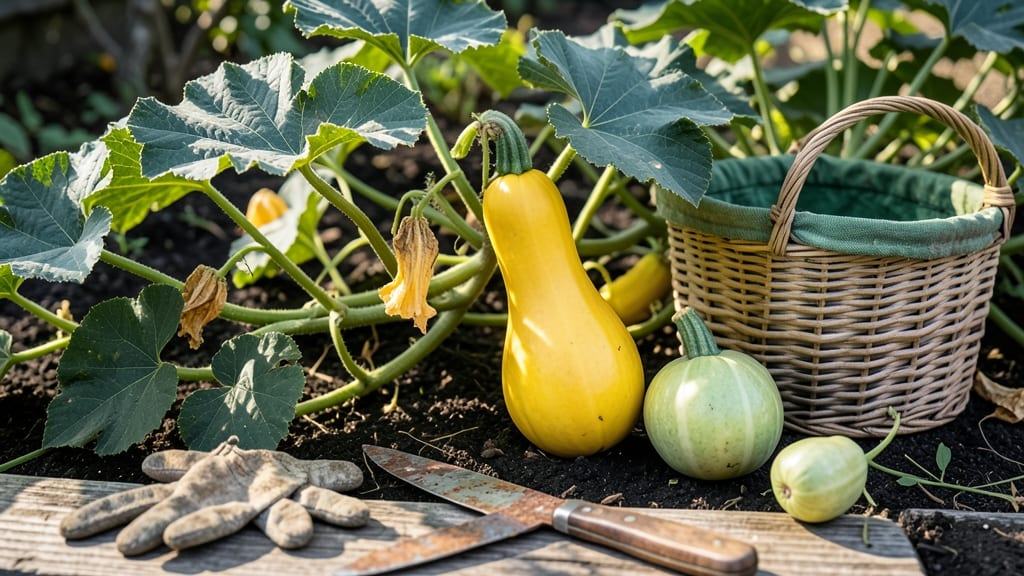
Harvesting yellow crookneck squash at the right time means the difference between a sweet, tender harvest and a tough, seedy disappointment.
Picture this: you’ve been waiting all summer for your 🎃 to ripen, and now the question is when to harvest—before they turn rubbery or miss the flavor peak. The answer lies in three simple but critical signs that most gardeners overlook.
Yellow crookneck squash in Zone 6a typically reaches harvest-ready size between 45 and 70 days, but timing isn’t just about days—it’s about visual cues.
A squash that’s 6 to 8 inches long, with a deep, consistent yellow color and a hard skin, is your ticket to peak flavor and texture.
Below, I’ll walk you through the exact steps to check ripeness without cutting into your squash, plus what happens if you harvest too early or too late—and how to fix it. No more guesswork, just perfect timing every time.


3 Visual signs your yellow crookneck squash is ready for harvest
Yellow crookneck squash reaches its peak flavor and texture at just the right moment—and missing that window means tough, seedy disappointment. I’ve harvested dozens of these beauties, and I can tell you: color, size, and skin texture are your best friends for nailing perfect ripeness.
These three visual cues will help you decide when to pick your squash without a doubt.
First, let’s talk about size benchmarks. Most yellow crookneck varieties hit their sweet spot when they’re 6 to 8 inches long. That’s about the length of a standard ruler or slightly longer than a baseball.
Smaller squash tend to be underripe, while anything larger risks becoming tough and seedy. I always measure mine against a kitchen ruler for accuracy!
Next, pay attention to the skin color. A fully ripe yellow crookneck will have a deep, consistent yellow hue with no green patches at all. The skin should also feel hard and slightly glossy—like a well-waxed apple.
If you see any green lingering near the stem, it’s not ready yet. Trust me, that green won’t disappear overnight!
Here’s where most gardeners trip up: the stem and skin texture. Gently press your thumbnail into the skin. If it springs back without leaving a dent, your squash is perfect.
Also, check the stem where it meets the squash—it should be dry and yellowed, not green or moist. This is your final confirmation that nature’s clock says “harvest time!”
| Ripeness Indicator | Not Ready (Immature) | Perfectly Ripe | Overripe (Past Prime) |
|---|---|---|---|
| Size (Length) | Under 6 inches | 6-8 inches | Over 8 inches |
| Skin Color | Pale yellow or green patches | Deep, consistent yellow | Dull yellow or brown spots |
| Skin Texture | Soft, dents easily | Hard, resists pressure | Rough, wrinkled |
| Stem Condition | Green, moist | Dry, yellowed | Brown, shriveled |
| Flavor Prediction | Mild, watery | Sweet, tender | Tough, seedy |
Pro tip: Harvest in the morning when temperatures are cooler. This preserves the squash’s moisture and sweetness. Use a sharp knife or pruners to cut the stem, leaving about an inch attached.
This helps prevent rot and makes storage easier. I always sanitize my tools between cuts to avoid spreading disease.
Regional climate plays a role too. In hotter zones (USDA 9-10), squash ripens faster—sometimes in as little as 45 days. But in cooler climates (USDA 4-6), it might take up to 70 days.
I’ve seen squash in my Zone 6 garden take longer, especially if summers are damp. Keep an eye on your local forecast and adjust your expectations accordingly.
One mistake I see often is waiting “just a little longer” for that perfect color. But once your squash passes its prime, it won’t get better—it’ll only get tougher and more seedy. When in doubt, harvest it.
You can always use slightly underripe squash in cooked dishes, but overripe ones? Not so much. Trust your eyes and your fingers—they won’t steer you wrong!
Remember: the sooner you harvest, the more squash your plant will produce. Yellow crookneck squash is a prolific grower, and removing ripe fruit encourages more blossoms and fruit to develop. It’s like giving your plant a high-five—“Great job! Now let’s do it again!”
How to test ripeness without cutting the squash (taste test tricks)
Testing the ripeness of yellow crookneck squash without cutting into it saves you from waste and frustration. Instead of guessing, I use simple physical tests that reveal flavor potential without damage.
These tricks work for any summer squash variety, but yellow crooknecks respond especially well to gentle pressure and stem checks.
Start with the thumb pressure test, the most reliable non-destructive method. Press your thumbnail firmly into the squash's skin—if it springs back slowly or leaves a slight indentation, it's not ready.
When the skin resists your nail completely and feels firm, that's your cue to harvest. This method mimics the maturity resistance of perfectly ripe squash.
Next, check the stem separation with a gentle twist. Hold the squash near the stem and give it a slight tug—if the stem detaches easily with a clean break, it's ready.
A stubborn stem means more time on the vine, while a mushy break signals overripeness. This test works best in the morning when squash is cooler and firmer.
For flavor prediction, I use the knuckle tap test. Tap the squash lightly with your knuckles—ripe squash produces a hollow, slightly dull sound, while unripe ones sound flat and dead.
Overripe squash may emit a slightly hollow but deeper tone. Combine this with the thumb test for the most accurate results without harming your plant.
Finally, observe the color consistency. A ripe yellow crookneck should be uniformly golden with no green patches. If you see faint green streaks, wait a few days—they'll fade as the squash matures. Remember, squash continues ripening after picking, so harvest slightly before peak visual cues for storage flexibility.
These methods let you enjoy perfectly ripe squash every time, whether you're making roasted squash or fresh summer dishes. The key is consistency—combine all three tests for foolproof results. Happy harvesting! 🎃