
Vegetables
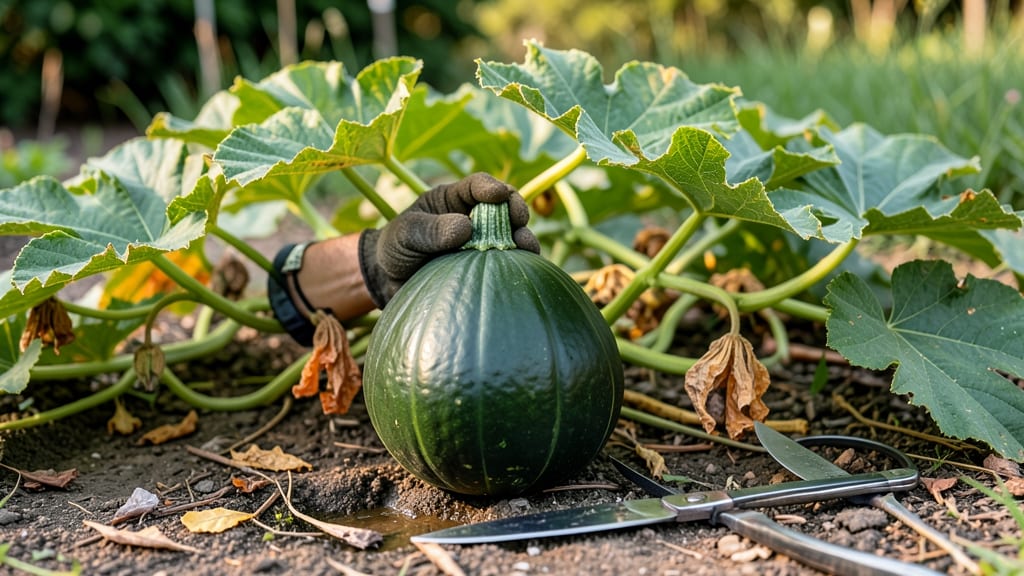
Harvesting acorn squash 🎃 at the right time means the difference between sweet, tender flesh and tough, stringy disappointment.
Picking too early means tough, bland flesh—while waiting too long risks overripe, stringy texture. Luckily, you don’t need to cut into your squash to know when it’s perfectly ripe. These three foolproof visual cues will transform your harvest timing from guesswork to garden confidence.
Most varieties reach harvest time between 85 and 100 days after planting, but seasonal factors like temperature and sunlight can shift that window. In cooler climates like USDA Zone 6a, aim for late September or early October before the first frost hits.
Below, I’ll walk you through the three key signs of ripeness—no knife required—plus what to do if your squash isn’t ready when harvest time rolls around.
3 Visual cues to determine acorn squash harvest time without cutting
Harvesting acorn squash at the perfect moment ensures sweet, tender flesh—but guessing wrong means wasted effort. The good news? You can determine ripeness without cutting by focusing on three key visual cues.
These signs will help you avoid the pitfalls of underripe squash (tough and bland) or overripe squash (stringy and mealy). Let’s break down what to look for in your garden.
First, pay attention to the skin color, which shifts dramatically as the squash matures. Early in the season, the rind might appear pale or unevenly colored, but as it ripens, it develops a deep, consistent hue—whether that’s dark green, tan, or orange, depending on the variety.
This color change signals that the squash is storing sugars properly, a key indicator of ripeness.
Next, examine the stem. A ripe acorn squash’s stem will dry out and shrivel slightly, detaching easily from the vine if you gently tug. This change happens naturally as the plant redirects nutrients to the fruit.
If the stem is still green and firm, your squash needs more time on the vine. Ignoring this cue can lead to poor flavor development.
Finally, test the weight and firmness of the squash. A ripe acorn squash feels heavy for its size, thanks to its dense, sweet flesh. When you gently press your thumbnail into the rind, it should resist slightly—like a cantaloupe—rather than denting easily.
This firmness ensures the squash is fully mature and ready for harvest.
🔍 3 Visual Cues for Perfect Acorn Squash Ripeness
- 1. Skin Color: Deep, even dark green, tan, or orange (no pale spots).
- 2. Stem Condition: Dried, shrivelled, and easily detaches from vine.
- 3. Rind Firmness: Hard and dull (no shine), resists thumbnail pressure.
Pro Tip: Combine all three cues for 100% accuracy. One sign alone isn’t enough!
If your acorn squash still looks unevenly colored or feels spongy when squeezed, it’s not ready. These are red flags that the squash needs 1–2 more weeks on the vine.
On the flip side, if the rind feels soft or the stem rots, your squash has overstayed its welcome and should be harvested immediately—though the texture may suffer.
Regional differences can also play a role. In cooler climates, acorn squash may take longer to ripen (up to 100 days), while warmer regions might see harvest-ready squash in as few as 85 days.
Always check the seed packet guidelines for your specific variety, as some types mature faster than others.
Once you’ve confirmed ripeness, harvest your acorn squash using a sharp knife or pruners, leaving a 1–2 inch stem attached. This helps extend shelf life by preventing rot.
Store your freshly harvested squash in a cool, dry place (50–55°F) where it can keep for 2–3 months—long after most summer crops have faded from memory.
Mastering these visual cues will turn your acorn squash harvest from a gamble into a reliable, flavor-packed success. Next time you’re eyeing those squash in your garden, trust your eyes—and your fingers—to guide you to the perfect moment. Happy harvesting!
How long does it take for acorn squash to reach harvest time?
Acorn squash typically reaches harvest time between 85 and 100 days after planting, depending on the variety and growing conditions. Most gardeners in USDA Zone 6a can expect their squash to mature around late September or early October, just before the first frost.
However, cooler temperatures or shorter daylight hours can extend this timeline by 10–15 days, so always keep an eye on your plants.
If you’re growing early-maturing varieties like 'Table Queen' or 'Autumn Ale,' you might harvest as early as 75 days. On the other hand, heirloom or slower-maturing types like 'Sweet Dumpling' could take up to 100 days or more.
The key is to monitor your squash closely in the weeks leading up to the expected harvest window.
| Stage | Days After Planting | Key Milestones | Notes |
|---|---|---|---|
| Germination | 7–14 | Sprouts emerge | Keep soil moist |
| Seedling | 15–30 | First true leaves appear | Thin to strongest plants |
| Vining | 30–50 | Vines spread 3–4 ft | Stake if needed |
| Flowering | 40–60 | Yellow flowers bloom | Hand-pollinate if needed |
| Fruiting | 60–85 | Squash swells rapidly | Reduce water slightly |
| Harvest Ready | 85–100 | Rind hardens, color deepens | Pick before frost |
Seasonal factors play a huge role in how quickly acorn squash matures. In warmer climates like Zone 9 or 10, squash may ripen faster—sometimes in as few as 70 days—thanks to longer daylight and higher temperatures.
Conversely, in cooler regions like Zone 4, squash might need 10–15 extra days to reach full ripeness.
If you’re growing acorn squash in containers or raised beds, expect slightly slower maturation due to limited root space and potential heat stress.
To speed things up, use black plastic mulch to warm the soil or choose dwarf varieties like 'Sweet Chestnut,' which matures in about 85 days even in cooler conditions.
Don’t let the first frost catch you off guard—acorn squash won’t survive freezing temperatures, even if they’re not fully ripe.
If your squash isn’t ready by mid-October in Zone 6a, consider harvesting slightly earlier (when the rind is firm but not fully hardened) and storing them in a cool, dark place to finish ripening indoors.
Pro tip: Mark your planting date and use a harvest calendar to track progress. Most gardeners find that squash planted in mid-May (after the last frost) hits peak ripeness just in time for fall festivals—perfect for carving or roasting!