
Vegetables
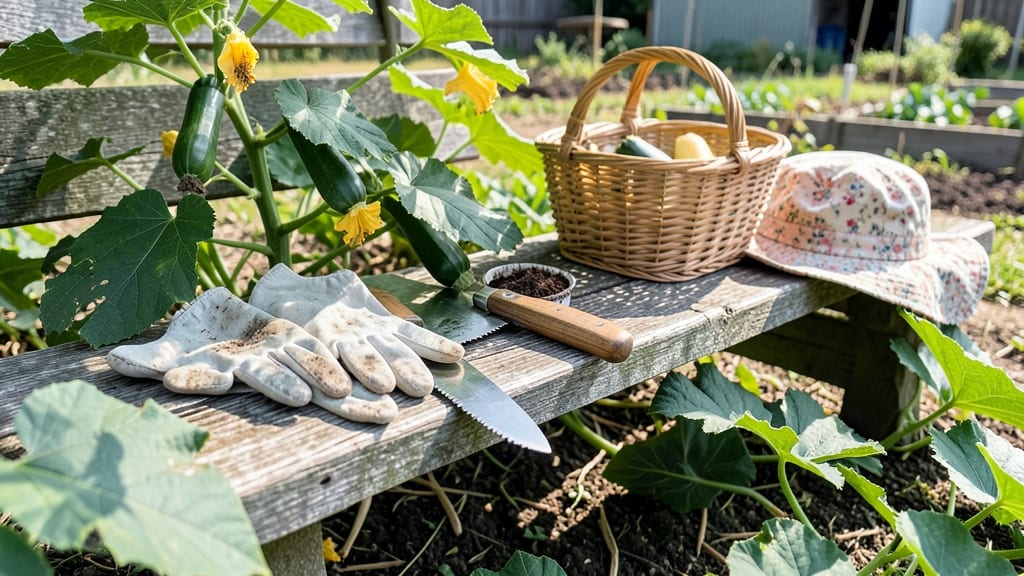
Harvesting summer squash at the right time turns a handful of vines into a summer-long supply of tender, flavorful 🎃 produce—before they turn tough or seedy.
Picture this: you’ve nurtured your plants all season, but now you’re staring at a squash that’s either too small or rock-hard. That’s the moment you realize timing matters more than you thought.
Most summer squash varieties are ready when they’re 6-8 inches long, with a glossy skin that resists a gentle thumb press but isn’t hard. Yellow varieties like Crookneck or green Zucchini both follow the same rule—ignore it, and you’ll end up with bitter, overripe fruit.
Below, I’ll break down the exact visual cues, how to adjust for your region, and the one mistake that ruins more harvests than any other—so you can go from guessing to consistent, delicious squash every time.
How to identify the perfect summer squash harvest time by appearance
Summer squash thrives when harvested at the peak of tenderness, but many gardeners struggle to pinpoint the exact moment. The difference between a juicy, flavorful squash and a woody, seedy one often comes down to visual cues you can spot in minutes.
I’ve learned that checking for glossy skin, firm stems, and consistent color makes all the difference in my garden’s bounty.
One of the first signs your summer squash is ready is a shiny, almost waxy skin. This isn’t just about looks—it’s a sign the squash has reached its optimal moisture balance.
When I run my fingers over the skin and feel that slight sheen, I know it’s time to harvest. Pair that with a firm, resilient stem that snaps cleanly when bent, and you’ve got a winner.
Size matters too, but not in the way you might think. Many varieties—like zucchini or yellow crookneck—are best when they’re 6 to 8 inches long, not the massive monsters you see at farmers' markets.
I’ve found that harvesting at 2 inches or less for bush varieties ensures the sweetest flavor before the seeds start developing. Overlooking this can turn your harvest into a bitter, fibrous disappointment.
| Harvest Cue | Description | Action |
|---|---|---|
| Skin Texture | Glossy, firm, and slightly thick | Harvest immediately |
| Size | 6–8 inches long (varies by variety) | Check daily for peak timing |
| Stem Condition | Dries slightly, snaps cleanly | Use pruners or knife to avoid damage |
| Color | Deep, consistent hue (yellow, green, or gold) | Avoid pale or patchy squash |
| Seed Development | Small, soft seeds (not visible) | Harvest before seeds harden |
The color of your summer squash is another dead giveaway. For yellow varieties, look for a vibrant, even hue—no green streaks or dull patches. Green squash, like zucchini, should have a rich, deep green without any pale spots.
I once picked a zucchini that was half-green and half-yellow, and it tasted bland. Consistency in color means consistency in flavor.
Don’t ignore the stem’s role in harvest timing. A mature stem will feel dry and papery near the base, almost like it’s ready to detach. If you gently twist the stem and it snaps with a clean break, that’s your cue to harvest.
I’ve learned to use a sharp knife or pruners to cut the stem, leaving a small portion attached to the vine. This reduces the risk of disease and encourages more squash to grow.
Regional climate plays a sneaky role too. In hotter zones, summer squash can mature faster, so I check my plants every 2–3 days. In cooler areas, it might take an extra week.
Pay attention to your local growing season—if your squash is taking longer to develop, don’t rush it. A slightly underripe squash is better than one left too long on the vine.
One mistake I made early on was waiting for squash to reach their maximum size before harvesting. By then, the flesh was tough, and the seeds had hardened. Now, I harvest smaller, more frequent batches to keep the plant producing.
This also means I get to enjoy softer, sweeter squash all season long. Think of it like pruning—keeping the plant in check leads to better results.
After harvesting, store your squash in a cool, dry place for up to a week. If you’re not using them immediately, try freezing or pickling to preserve that fresh-harvest flavor.
I’ve found that slicing and freezing squash in portions makes it easy to grab for stir-fries or soups later in the year.
Mastering the art of harvesting summer squash by appearance is all about observation and timing. Once you start noticing these visual cues, your garden will reward you with abundant, tender squash all season long. Happy harvesting! 🌱
Summer squash harvest time by variety: when to pick yellow vs. green squash
Harvesting summer squash at the perfect moment ensures tender, flavorful produce. The harvest window varies by variety—yellow squash like Yellow Crookneck matures faster than green types like Zucchini.
Overripe squash becomes tough, seedy, and bitter, while underripe squash lacks sweetness. Understanding these differences lets you extend your harvest season and avoid waste.
Yellow summer squash varieties, such as Yellow Crookneck or Patio Star, typically reach harvest readiness in 45-55 days after planting. Green varieties like Zucchini or Black Beauty often take slightly longer, around 50-60 days.
Pay close attention to size, color, and skin firmness—these cues determine the best time to pick each type.
| Variety | Days to Harvest | Harvest Size | Color Cues | Skin Texture | Pro Tip |
|---|---|---|---|---|---|
| Yellow Crookneck | 45-55 | 6-8 inches | Bright yellow, glossy | Firm but tender | Harvest when neck curves |
| Zucchini | 50-60 | 6-8 inches | Deep green, matte | Smooth, firm | Pick when stem snaps easily |
| Patio Star | 40-50 | 4-6 inches | Yellow-green, glossy | Thin, tender skin | Harvest when small for sweetness |
| Black Beauty | 55-65 | 8-12 inches | Dark green, glossy | Thick but firm | Wait for full size for best flavor |
Overripe summer squash loses its tender texture and develops large seeds, making it less enjoyable to eat. For example, a Zucchini left on the vine too long becomes tough and bitter, while Yellow Crookneck squash may develop a woody stem.
To extend your harvest season, pick squash frequently—every 2-3 days—to encourage more production.
One of my favorite harvest tips is to use a sharp knife or pruners to cut squash from the vine, leaving a small stem attached. This prevents damage to the plant and promotes faster regrowth.
Store harvested squash in a cool, dry place for up to 5 days to maintain freshness.
If you're growing multiple varieties, prioritize harvesting smaller types first, like Patio Star, which mature quicker. This ensures you enjoy fresh squash all season long while preventing overcrowding on the vine. With the right timing, you can harvest summer squash continuously from early summer until frost.
Pay attention to weather patterns—hot, dry spells can accelerate ripening, while cool, cloudy days may slow it down. Adjust your harvest schedule accordingly to keep your squash at peak tenderness. Happy harvesting!