
Vegetables
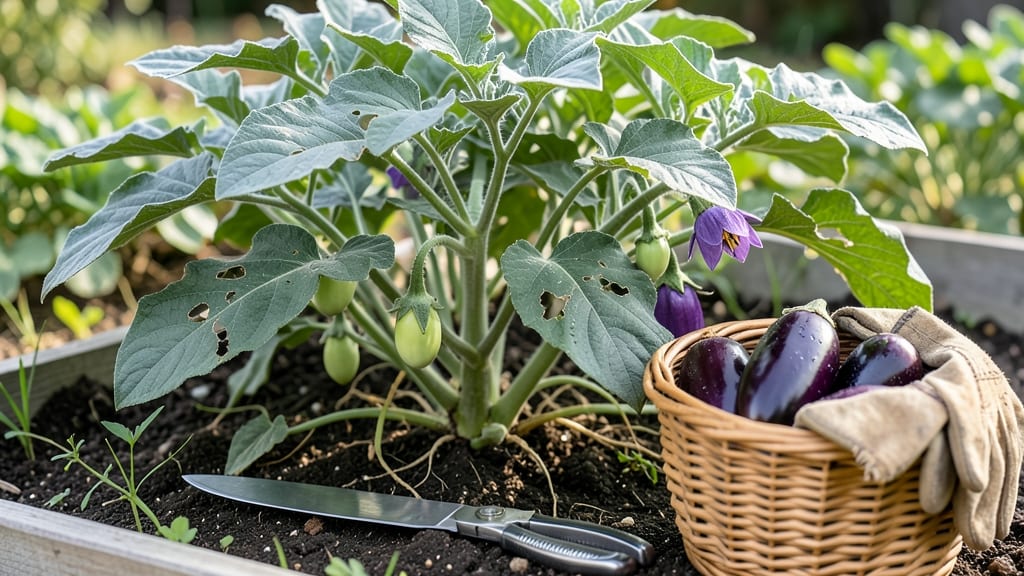
Knowing the exact eggplant harvest time can turn a good crop into a great one—especially when you’re staring at a 🍆 plant with glossy purple fruit that’s almost ready.
Picking too early means tough, seedy flesh that’s a chef’s nightmare, while waiting too long risks overripe fruit that splits or turns mealy. The difference between a perfect harvest and a disappointing one often comes down to three simple cues most gardeners miss.
From color and size to the telltale "snap" of the stem, these signs will help you harvest at peak flavor—whether you’re growing in Zone 6a or a container on your patio.
Below, I’ll walk you through the visual and physical tests that guarantee your eggplants are ready, plus how to avoid the most common mistakes that waste your hard work.
3 Visual signs eggplants are perfectly ripe for harvesting
Harvesting eggplants at the right time transforms your garden bounty from bland to bursting with flavor. Many gardeners make the mistake of waiting too long, ending up with tough, seedy fruit that lacks the tender sweetness of a perfectly ripe eggplant.
The key lies in recognizing three visual cues that signal peak ripeness—color, size, and skin texture. Ignoring these signs can mean sacrificing both yield quality and culinary potential.
First-time growers often assume eggplants must turn completely purple before harvesting, but this isn't always true. Some varieties like white eggplants or striped varieties reach perfection at different color stages.
The secret is understanding how these physical characteristics interact to create the ideal harvest window. Let’s break down exactly what to look for—and what to avoid—when checking your plants.
- 🍆 Deep, Uniform Color
Eggplants should display their mature color consistently across the entire fruit. Purple varieties develop a rich, glossy purple, while white types turn creamy white. Avoid harvesting when color is uneven or pale—this indicates underripe fruit.
- 📏 Mature Size (4-6 Inches)
Most eggplant varieties reach harvest readiness at 4-6 inches in length. Smaller fruits (<4 inches) are underdeveloped and often seedy or bitter. Oversized eggplants (>7 inches) may become woody and fibrous, losing their tender texture.
- 🤏 Firm Yet Yielding Skin
Press your thumb gently into the eggplant’s skin. It should feel firm but slightly yielding, like a ripe avocado. If it’s spongy or mushy, the fruit is overripe. Conversely, if it’s rock-hard, it’s not ready yet.
One of the most common mistakes I see in home gardens is harvesting eggplants based solely on color alone. For example, a purple eggplant might look ready when it’s still pale green underneath.
Always check the skin texture and size alongside color to avoid this pitfall. Pro tip: Morning harvests are ideal because eggplants often feel firmer and cooler after a night’s rest.
Another critical cue is the stem separation point. When an eggplant is perfectly ripe, the stem should snap cleanly when you gently twist it. If it resists or tears, the fruit isn’t ready.
This trick works especially well for heirloom varieties, which can vary widely in ripening time. Always harvest with a sharp knife or pruners to prevent damaging the plant.
Regional growing conditions can also affect ripeness cues. In hotter climates, eggplants may ripen faster and develop a duller finish due to intense sun exposure. Conversely, in cooler regions, they might take longer to reach their peak color intensity.
Pay attention to your local last frost dates and adjust your expectations accordingly—eggplants typically mature between 70-90 days after transplanting.
Harvesting too early results in small, seedy, and bitter eggplants, while waiting too long leads to woody, fibrous fruit that’s unappetizing. The 30-day window between ideal and overripe is narrow, so check your plants every 2-3 days during peak harvest season (usually July-September).
Use a harvest basket to gently collect ripe fruit and avoid bruising.
For white or striped varieties, focus on the skin’s glossiness rather than color depth. These types often ripen to a satin-like sheen when ready. Store harvested eggplants in a cool, dark place (like a pantry) for up to 1 week to preserve freshness.
If you notice dark spots or softening, harvest immediately—these are signs of overripeness.
Remember, every eggplant variety has its own unique ripening timeline. Asian long eggplants, for instance, may reach harvest size earlier than Italian globe varieties. When in doubt, prioritize skin firmness and stem separation over color alone.
With these visual cues mastered, you’ll enjoy homegrown eggplants at their absolute peak—ready for grilling, roasting, or any recipe you love.
🌱
How to test eggplant ripeness beyond visual cues
While color and size give clues, some eggplant varieties—especially heirloom types—require deeper testing to confirm ripeness. Visual cues alone can mislead, particularly with striped or pale-skinned varieties. For these, tactile and internal tests reveal the true readiness of your fruit.
I’ve learned the hard way that overripe eggplants develop tough flesh and bitter seeds, ruining their delicate flavor. But with these hidden ripeness tests, you’ll avoid wasting effort on unripe fruit. Start by examining the stem attachment and fruit firmness—two often-overlooked indicators.
⚠️ callout warning
Pro Tip: Harvest in the morning when fruit is coolest—this makes firmness tests more accurate.
First, perform the thumb press test on the eggplant’s skin. Press your thumb firmly but gently into the fruit’s surface. A ripe eggplant should yield slightly under pressure—like pressing a ripe avocado—but not dent deeply. If it springs back immediately, it’s underripe. If it leaves a lasting indentation, it’s past its prime.
Next, check the stem separation point. Gently twist the eggplant near where it meets the vine. If the stem snaps cleanly with minimal resistance, the fruit is ready.
A stubborn stem means it’s not fully mature yet, while a mushy stem signals overripeness. This test works especially well for long, slender varieties like Ichiban or Hanako.
For seed development, cut open a test fruit (save a few for tasting!). Ripe eggplants have small, pale seeds surrounded by thin, translucent flesh. If the seeds are large, dark, or shriveled, the fruit is overripe.
Conversely, tiny or undeveloped seeds mean it needs more time on the vine. This method is my go-to for black or deep purple varieties like Black Beauty.
Finally, pay attention to the fruit’s gloss. A ripe eggplant has a slight sheen, thanks to natural waxes on the skin. Dull or matte skin suggests underripeness, while a sticky or slimy texture means it’s overripe.
Combine all these tests—thumb press, stem snap, seed check, and gloss inspection—for foolproof results every time.