
Vegetables
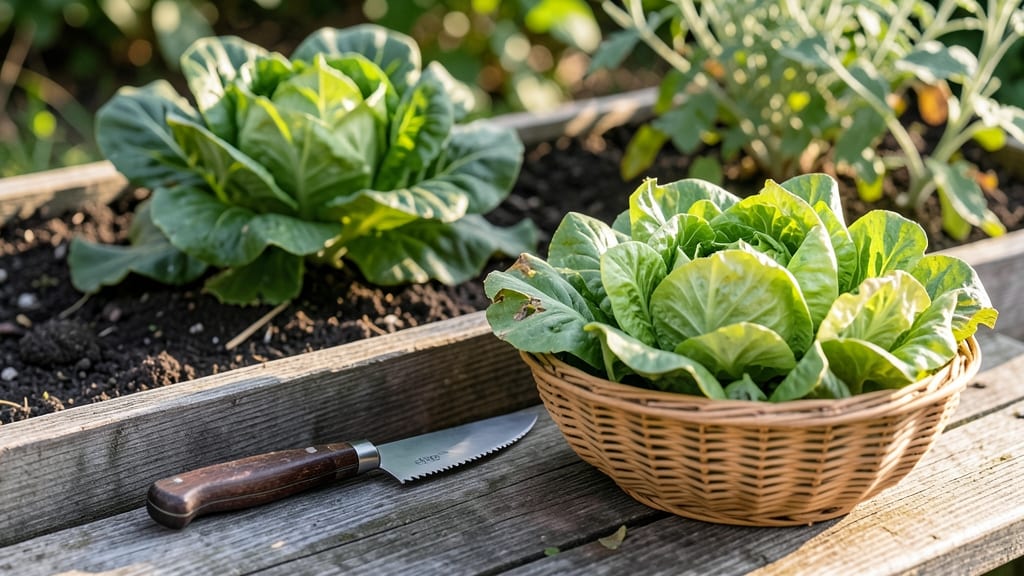
To harvest salad bowl lettuce at its crispest and most flavorful, time your cuts carefully—wait until outer leaves reach 4–6 inches but before the center bolting starts.
If you’ve ever struggled to balance harvesting your salad bowl lettuce without sacrificing future growth, you’re not alone—timing is everything for crisp, flavorful leaves and regrowth. Master this skill, and you’ll enjoy a continuous supply of fresh greens all season long.
Most gardeners make one of two mistakes: they cut too early, leaving tender leaves that bolt faster, or they wait too long, sacrificing flavor and texture. The key lies in selective leaf harvesting—trimming outer leaves while protecting the inner growth point.
In this guide, I’ll walk you through the exact techniques to maximize regrowth, the best tools to use, and how to spot when your 🥬 is ready—plus common pitfalls that even experienced growers overlook.

When to harvest salad bowl lettuce for maximum regrowth & flavor
Timing your salad bowl lettuce harvest is an art that balances flavor, crispness, and regrowth. Cut too early, and you sacrifice flavor; wait too long, and you risk bolting or bitter leaves.
The key is harvesting when leaves reach 4-6 inches in length but before they fully mature or flower. This ensures tender, flavorful greens while leaving enough energy for the plant to regrow.
Most salad bowl varieties like romaine or butterhead are ready for their first harvest around 45-60 days after sowing. However, the exact timing depends on your climate, variety, and growing conditions.
In cooler spring and fall seasons, lettuce grows slower, so you may need to wait slightly longer. Conversely, in warm weather, lettuce can bolt quickly, so harvest sooner to avoid bitterness.
| Harvest Stage | Leaf Size | Days to Harvest | Seasonal Adjustments |
|---|---|---|---|
| First Harvest | 4-6 inches | 45-60 days | Spring/Fall: +5 days; Summer: -5 days |
| Subsequent Harvests | 3-4 inches (outer leaves) | Every 7-10 days | Cool weather: +10 days; Hot weather: -7 days |
| Final Harvest | Full head (if bolt-resistant) | 70-90 days | Before bolting or flowering |
Weather plays a critical role in harvest timing. In cool spring or fall months, lettuce grows more slowly, so extend your harvest window by 5-10 days. During hot summer months, lettuce bolts faster, so harvest earlier—as soon as leaves reach 3-4 inches—to prevent bitterness.
Morning harvests are ideal because lettuce is crispest after overnight cooling. Avoid harvesting in the heat of the day, as leaves can wilt or become limp.
Look for visual cues to determine readiness: vibrant color, crisp texture, and fully expanded leaves are signs your lettuce is ready. Avoid harvesting if leaves are pale, yellowing, or show signs of stress like crinkling or hollow stems.
These are red flags that the plant is struggling and may not regrow well. Instead, focus on outer leaves first, leaving the inner leaves to continue growing.
For continuous harvests, aim to cut outer leaves first, leaving the inner rosette intact. This encourages the plant to produce more leaves while maintaining its structure. Use a sharp knife or clean scissors to make clean cuts just above a leaf node.
Never pull leaves—this can damage the plant and inhibit regrowth. After harvesting, water the base of the plant to help it recover and promote new growth.
Seasonal adjustments are key to success. In spring, lettuce grows quickly, so you can harvest every 7-10 days. In summer, reduce the frequency to every 10-14 days to avoid stressing the plant.
In fall, you can extend harvests slightly longer, but always stop before the first frost, which damages the plant. If frost is imminent, harvest the entire head and enjoy it fresh or store it in the fridge for later.
Pay attention to your lettuce variety—some types, like loose-leaf varieties, regrow better than others. Romaine and butterhead are excellent choices for regrowth, while iceberg lettuce is best harvested all at once.
If you’re growing bolt-resistant varieties, you can extend your harvest season by providing afternoon shade during hot months. This simple trick can add 2-4 weeks to your harvest window.
Finally, avoid common mistakes like over-harvesting or using dull tools, which can tear leaves and invite disease. Always sanitize your tools with rubbing alcohol before and after use. If your lettuce starts to bolt prematurely, it’s a sign of stress—whether from heat, drought, or poor soil.
Address the issue immediately by providing shade, water, or a nitrogen-rich fertilizer to encourage leafy growth.
With the right timing and care, your salad bowl lettuce can provide a continuous harvest for months. The secret is balancing harvest frequency, leaf size, and seasonal conditions to keep your plants happy and productive.
Soon, you’ll be enjoying fresh, crisp greens straight from your garden all season long! 🥬
Step-by-step guide: how to cut salad bowl lettuce for continuous harvests
Harvesting your salad bowl lettuce correctly is the secret to enjoying fresh greens for weeks instead of days. The key lies in cutting strategically—never removing more than one-third of the plant at a time while preserving the growth center.
This method encourages regrowth while keeping your leaves crisp and flavorful.
Start by choosing the right harvesting tools. A sharp pair of pruning shears or a clean knife works best—dull tools crush leaves, making them bitter. Avoid pulling leaves, as this can damage the plant. Instead, focus on clean cuts just above the outer leaves to protect the inner growth.
How to Harvest Salad Bowl Lettuce for Regrowth
- Step 1: Wait for maturity Harvest when outer leaves reach 4–6 inches and are fully crisp. Check for vibrant color—deep green, red, or purple depending on your variety.
- Step 2: Choose your leaves Pick the largest, outermost leaves first. Leave the inner leaves and growth center intact to encourage new growth.
- Step 3: Use clean tools Use sterilized pruning shears or a knife. Cut at a 45-degree angle just above the leaf base to avoid damaging the stem.
- Step 4: Never cut more than 1/3 Remove only one-third of the plant per harvest. Over-cutting stresses the plant and can lead to bolting or poor regrowth.
- Step 5: Post-harvest care Water the plant deeply after harvesting to support recovery. Apply a light nitrogen fertilizer (like 5-10-10) to encourage new leaf growth.
- Step 6: Monitor regrowth New leaves should appear in 7–10 days. Repeat the process every 2–3 weeks for continuous harvests.
After harvesting, inspect your lettuce for yellowing or wilted leaves, which signal stress. If you notice these signs, reduce sunlight exposure slightly and ensure the soil stays consistently moist. Overwatering or underwatering can both trigger bolting, so aim for 1 inch of water per week.
For loose-leaf varieties like 'Black Seeded Simpson' or 'Salad Bowl,' you can also harvest individual leaves as needed. This method works well for container gardening or small spaces. Just pinch off leaves at the base, leaving the rest of the plant intact to keep producing.
Pro tip: Harvest in the early morning when leaves are at their crispest. Store harvested leaves in a plastic bag with a paper towel to absorb moisture and extend freshness for up to 5–7 days in the fridge.
With this method, your salad bowl lettuce can produce harvests for 6–8 weeks or longer, depending on the variety and growing conditions. The key is patience and consistency—your lettuce will reward you with a steady supply of fresh, flavorful greens all season long! 🥬