
How To
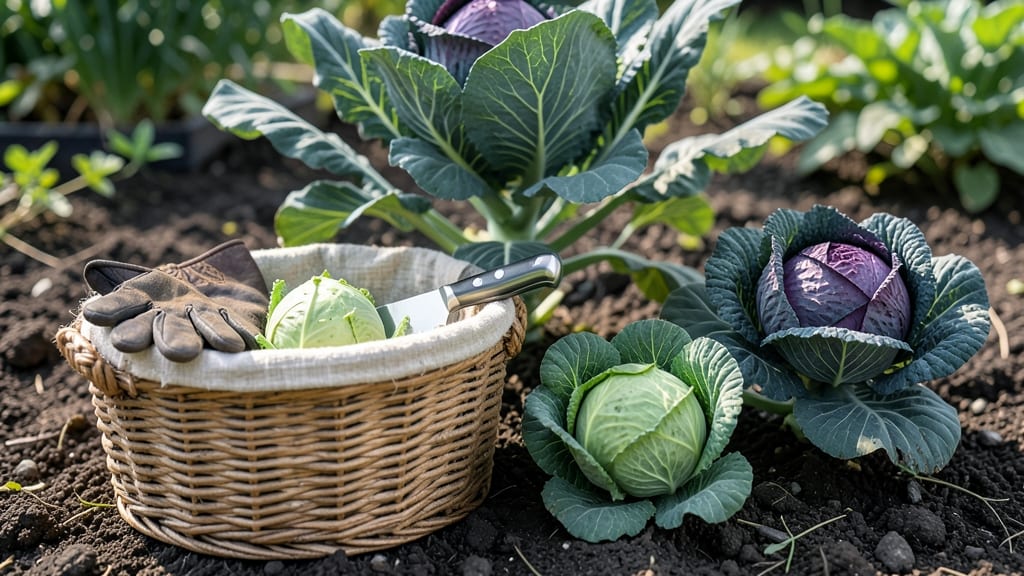
Knowing when to harvest cabbage means catching it at the peak of flavor and texture, before it turns bitter or splits open.
Picture this: you’ve nurtured your 🥬 for months, and now the moment of truth arrives. One wrong move, and you’re left with tough, loose leaves or a head that’s already bolting.
The good news? There are simple visual cues—like firmness, leaf color, and head size—that tell you exactly when to pick.
In this guide, I’ll walk you through the 5 key signs your cabbage is ready, from the way the leaves wrap to how the head feels when squeezed. You’ll also learn how to avoid common mistakes that ruin flavor and texture, so your harvest stays crisp and delicious.
Whether you’re a first-time gardener or a seasoned pro, these tips will help you time your harvest perfectly—so you can enjoy homegrown cabbage at its best, June through September.

5 Key visual signs your cabbage is ready for harvest
Harvesting cabbage at the perfect moment ensures crisp texture and sweet flavor. But how do you know when your cabbage heads are truly ready? Many gardeners wait too long, ending up with loose leaves or even bitter-tasting produce.
The key lies in observing five visual maturity cues that signal your cabbage is at peak harvest time.
Unlike other vegetables, cabbage doesn’t give obvious ripening signs like color changes from green to red. Instead, you’ll need to check for head firmness, leaf wrapping, and size consistency.
These signs work for all varieties—whether you’re growing green cabbage, purple cabbage, or savoy cabbage. Let’s break down each clue so you can harvest with confidence.
🌱 5 Visual Signs Your Cabbage Is Ready
-
1. Head Shape: Solid and Rounded
A mature cabbage head should be firm and compact, not flat or uneven. Gently press the head—it should feel dense like a basketball, not spongy. -
2. Leaf Color: Vibrant and Consistent
The outer leaves should match the variety’s expected color (green, purple, or white). Dull or yellowing leaves mean it’s overripe. -
3. Size Matters: Variety-Specific Diameter
Standard cabbages should reach 6-8 inches wide. Smaller varieties (like mini cabbage) stop growing at 3-4 inches. -
4. Leaf Wrapping: Tightly Enclosed
The outer leaves should wrap snugly around the head, leaving no gaps. Loose leaves mean it’s past its prime. -
5. Stalk Thickness: Sturdy Base
The stem should feel thick and woody when you grip it. A thin stalk often indicates an immature head.
✂️ Pro Tip: Check these signs in the morning when heads are cool and crisp.
One of the most common mistakes is waiting until the head splits open or the plant bolts (sends up a flower stalk). By then, the leaves become stringy and tough, and the flavor turns bitter.
I always harvest a day or two before the head reaches maximum size—this ensures optimal texture and sweetness.
For winter varieties, like January King cabbage, the signs are slightly different. These cabbages often mature later in the season and may develop a waxy coating on their leaves.
Look for frost resistance (leaves shouldn’t wilt in light frosts) alongside the other cues. Winter cabbages also tend to have thicker stalks to withstand colder temperatures.
If you’re unsure whether your cabbage is ready, perform the "squeeze test". Gently press the head—if it resists pressure and doesn’t feel mushy, it’s harvest-ready. Avoid squeezing too hard, as this can damage the plant.
For savoy cabbage, which has wrinkled leaves, focus on the overall head firmness rather than leaf texture.
Another trick is to compare your cabbage to neighboring plants or reference photos of mature heads. Some varieties, like Red Express cabbage, have deep purple hues at maturity, while others like Golden Acre develop a yellowish-green tint. Pay attention to these color cues specific to your variety.
Harvesting too early can leave you with small, underdeveloped heads, while waiting too long risks loose leaves and pest damage. I recommend harvesting in the early morning when temperatures are cool.
This preserves crispness and makes cutting easier. Use a sharp knife to slice the head cleanly, leaving 1-2 inches of stem attached to encourage regrowth if you’re harvesting side shoots.
Remember, cabbage heads continue to mature on the vine until they reach their full size. If you’re growing multiple varieties, keep a harvest journal to track when each type reaches maturity. This helps you plan for successive plantings and ensures a steady supply of fresh cabbage throughout the season.
Once you’ve mastered these visual maturity signs, harvesting cabbage becomes second nature. The next step? Learning how to store your harvest properly to keep those crisp, flavorful heads fresh for weeks. But that’s a story for another time—happy harvesting! 🥬
How to harvest cabbage without damaging future growth
Harvesting cabbage properly ensures you get the crispest, most flavorful heads while keeping your plants productive for future harvests. The key is using the right cutting technique and timing it correctly for your specific variety—whether it's spring, summer, or winter cabbage.
One wrong snip can leave your plant vulnerable to pests or diseases, so I’ll walk you through the exact steps to do it right.
Timing matters too. Spring cabbage varieties like Golden Acre mature faster (around 60-70 days), while winter varieties such as January King can take up to 100 days to reach harvest. Knowing when to pick prevents your cabbage from bolting (sending up a flower stalk) or becoming loose and bitter.
Let’s break it down into clear, actionable steps so you can harvest confidently.
- Step 1: Choose the Right Tool Use a sharp, clean knife or pruners to avoid tearing leaves. A dull blade crushes the stem, inviting rot.
- Step 2: Cut at the Base Hold the cabbage firmly and slice 1 inch above the soil line at a slight angle. This preserves the plant’s root system for regrowth.
- Step 3: Leave Outer Leaves For savoy cabbage or loose-leaf varieties, leave the outer 2-3 leaves intact. This protects the core and encourages new growth.
- Step 4: Harvest in the Morning Pick cabbage early in the day when temperatures are cool. This keeps the heads crisp and reduces stress on the plant.
- Step 5: Store Properly Remove damaged outer leaves and store in a cool, humid place (32-35°F) for up to 2 weeks. For longer storage, ferment or freeze.
If you’re growing fall or winter cabbage, like Red Express or Winterbor, time your harvest just before the first frost. These varieties sweeten when exposed to cooler temperatures, but frost can damage the leaves.
Cut them slightly earlier if frost is forecasted, and let them cure indoors for a few days to improve flavor.
After harvesting, don’t toss your cabbage plant! With proper care, many varieties—especially loose-leaf types—will regrow. Water deeply after harvest and fertilize lightly with a balanced 10-10-10 mix to encourage new leaves.
You might get a second, smaller harvest in 4-6 weeks, though it won’t be as large as the first.
For storage life, focus on keeping the cabbage dry and well-ventilated. Remove any yellow or wilted leaves immediately, as they speed up spoilage. If you’re planning to save seeds, allow a few heads to bolt and dry completely on the plant before collecting the seed pods.
Remember, the goal is to harvest when the head is firm, fully colored, and tightly wrapped—never when it starts to split or develop a flower stalk. A little patience and precision now means a bountiful harvest later, whether you’re enjoying it fresh, fermenting it, or storing it for winter meals.
Happy harvesting! 🥬