
How To
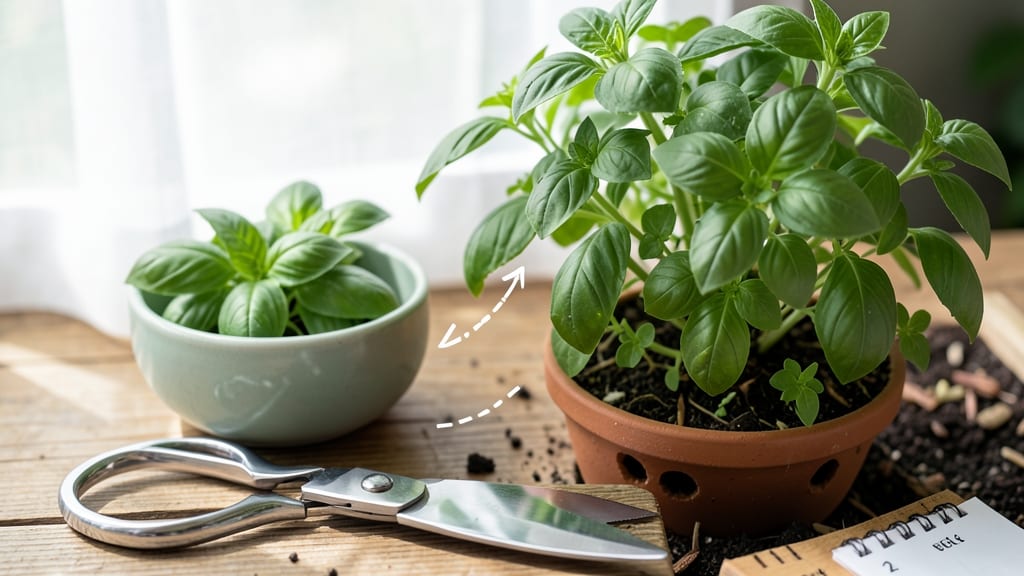
Harvesting basil often enough keeps your plants lush, flavorful, and productive all season—here’s the exact schedule to follow for bushier growth and peak taste.
That leggy, bitter-tasting basil you’ve seen before? It’s usually a sign you waited too long between harvests—or worse, picked the wrong leaves. The key is timing: snip just before flowers appear, and always target the youngest leaves at the stem’s tips.
This trick encourages new growth while preserving the plant’s energy.
Most gardeners harvest basil every 2-3 weeks once the plant reaches 6 inches tall, but the real secret lies in the leaf stages. Older leaves lose their bright flavor and can trigger flowering, while young leaves pack the most aroma.
Think of it like pruning a bush—you’re shaping the plant’s future harvests with every cut.
Below, I’ll break down the best leaf stages to pick, how to trim for regrowth, and storage tips to keep your basil fresh between harvests. Whether you’re growing Genovese for pesto or Thai for curries, these steps will keep your 🌿 thriving until frost.

The exact leaf stages to harvest basil for maximum flavor and growth
Harvesting basil at the right leaf maturity stage makes all the difference between a flavorful, bushy plant and one that becomes woody and bitter. The key is understanding how each leaf stage affects taste, regrowth, and plant health.
I’ve grown basil for years, and I’ve learned that timing your harvests based on leaf development keeps my plants thriving—and my kitchen stocked with fresh, aromatic leaves.
Basil leaves go through three distinct stages: young, medium, and old. Each stage offers unique benefits and drawbacks. For example, young leaves are tender and packed with flavor, but harvesting them too early can stunt your plant’s growth.
Meanwhile, old leaves lose their sweetness and can signal it’s time to prune back for new growth. Let’s break down each stage so you can harvest like a pro.
| Leaf Stage | Visual Cues | Flavor Profile | Harvest Frequency | Regrowth Impact |
|---|---|---|---|---|
| Young Leaves | Small, soft, light green, 1-2 inches long | Mild, sweet, delicate flavor | Every 7-10 days (max 1/3 of plant) | Encourages dense growth if not over-harvested |
| Medium Leaves | Fully opened, vibrant green, 2-3 inches long | Balanced, aromatic, classic basil taste | Every 10-14 days (prune stems) | Promotes bushier growth and flowering prevention |
| Old Leaves | Large, dark green, tough texture, woody stems | Bitter, strong, less sweet | Remove immediately when spotted; prune stems | Stimulates new leaf production if pruned back |
The young leaf stage is where basil shines for flavor, but it’s also the most delicate. These tiny leaves appear on the topmost branches and are perfect for salads or garnishes. I recommend harvesting them when they’re about 1-2 inches long—this keeps the plant producing more without stressing it.
If you snip too many young leaves at once, your basil might struggle to recover, leading to stunted growth.
When leaves reach the medium stage, that’s when you’ll get the classic basil flavor we all love. These leaves are fully opened, vibrant green, and about 2-3 inches long. This is the sweet spot for most recipes, from pesto to pasta dishes.
To harvest at this stage, pinch off the leaves with your fingers or use clean pruning shears. Always leave at least half the leaves on the plant to keep it photosynthesizing.
Old leaves are a clear signal that it’s time to act. These leaves are dark green, tough, and sometimes bitter, often with woody stems. If left unchecked, they can drain nutrients from the plant and even trigger early flowering, which ruins the flavor.
My trick? Remove these leaves immediately and prune the stem just above a leaf node. This encourages the plant to focus on producing fresh, tender leaves instead.
One common mistake I see is waiting until leaves turn yellow or brown before harvesting. By then, the plant is already stressed. Instead, I check my basil every 3-4 days for old leaves and prune them back.
This keeps my plants looking lush and ensures a steady supply of fresh, flavorful leaves all season long. Pro tip: Always harvest in the morning after the dew has dried—this preserves the leaves’ peak flavor.
For maximum regrowth, aim to harvest about one-third of the plant at a time. This balance prevents over-stressing the basil while encouraging it to branch out. I also make sure to prune stems just above a leaf node (where new leaves will grow).
This simple technique has helped my basil plants grow bushier and fuller each season. If you’re growing basil in containers, this method is especially important since space is limited.
Another pro move? Pinch off flower buds as soon as they appear. Basil flowers may look pretty, but they signal the plant to shift its energy from leaf production to seed-making. This can make your leaves bitter and tough.
By removing flower buds early, you keep the plant focused on growing flavorful, tender leaves. I check my plants weekly for buds and snip them off with clean scissors.
Seasonal changes also affect how often you should harvest. During spring and summer, when basil grows most vigorously, you can harvest every 7-10 days. But in fall, as temperatures drop, reduce harvesting to every 2-3 weeks to give the plant time to recover.
If you’re growing basil as a perennial in warm climates, you can extend the harvest season by protecting it from frost and continuing to prune lightly.
Remember, the goal is to keep your basil happy, healthy, and productive. By mastering the leaf stages and harvesting at the right time, you’ll enjoy a bountiful, flavorful harvest all season long.
And when you finally get that perfect batch of fresh basil, you’ll know exactly how to keep your plants thriving for years to come. Happy harvesting!
Harvesting frequency by basil type: annual vs. perennial care guide
Not all basil is created equal—Genovese, Thai, and Purple varieties each have unique harvest rhythms that dictate how often you should snip.
Annual basil (like Genovese) thrives with regular harvesting every 2-3 weeks once established, while perennial types (like Thai basil in warm climates) can handle less frequent but deeper pruning year-round. The key difference? Annuals need consistent encouragement to keep growing, while perennials store energy for winter regrowth.
Seasonal shifts also change the game. In summer’s heat, I harvest my Genovese basil weekly to prevent bolting, but in cooler months, I scale back to every 3-4 weeks to avoid stressing the plant.
Purple basil, with its slower growth, responds best to bi-weekly harvests—any more frequent, and you risk stunting its delicate stems. Understanding these rhythms ensures your basil stays productive without sacrificing flavor or health.
Here’s the breakdown of when and how to harvest each type, plus winter care tips to extend your harvest season:
-
1
Genovese Basil (Annual): Harvest every 2 weeks once plant reaches 6 inches. Focus on top 2-3 leaf pairs to encourage bushiness. Stop harvesting 6 weeks before frost to harden off plants for winter.
-
2
Thai Basil (Perennial in Zones 9-11): Harvest every 3-4 weeks with deeper cuts (up to 1/3 of plant). Prune aggressively in late winter to stimulate spring regrowth. In colder zones, treat as annual.
-
3
Purple Basil (Annual): Harvest every 3 weeks using pinch-pruning (remove entire stems). Avoid heavy harvesting—its delicate growth needs recovery time. Harvest only morning leaves for peak flavor.
-
4
Winter Care for Perennials: In Zone 8+, mulch heavily with straw or leaves after first frost. Trim back 90% of foliage in late winter, leaving 2-inch stems. Water bi-weekly if indoors during dormancy.
For annual basil, the goal is consistency. I’ve found that harvesting Genovese every 10-14 days during peak summer keeps it compact and flavorful. The secret? Always cut just above a leaf node—this encourages new branches to form.
If you wait too long, the plant will bolt (flower), and those leaves turn bitter. I once let my basil go unharvested for 3 weeks, and the next batch of leaves tasted like soap! 🌿
Perennial basil, like Thai or Lemon basil, plays by different rules. In my Zone 9 garden, I harvest these varieties less often but more aggressively when I do. After the first frost, I reduce watering by 50% and stop fertilizing entirely.
This signals the plant to focus on root growth rather than foliage, setting it up for a stronger spring comeback.
One mistake I see often is harvesting only the largest leaves. While tempting, this leaves the plant looking ragged and encourages leggy growth. Instead, I always snip the youngest leaves at the tips—these are the most flavorful and trigger the plant to produce more branches.
For Purple basil, I’m extra gentle, as its purple stems are more prone to snapping under heavy harvesting. A light pinch every 3 weeks keeps it happy without stress.
To extend your harvest season, consider indoor overwintering for perennial types. Move potted basil to a sunny window or under grow lights (12+ hours/day) and reduce watering to every 7-10 days. I’ve kept my Thai basil alive indoors for 6 months this way, harvesting sporadically until spring.
Just watch for pests like spider mites—a daily misting with water keeps them at bay. 💧