
How To
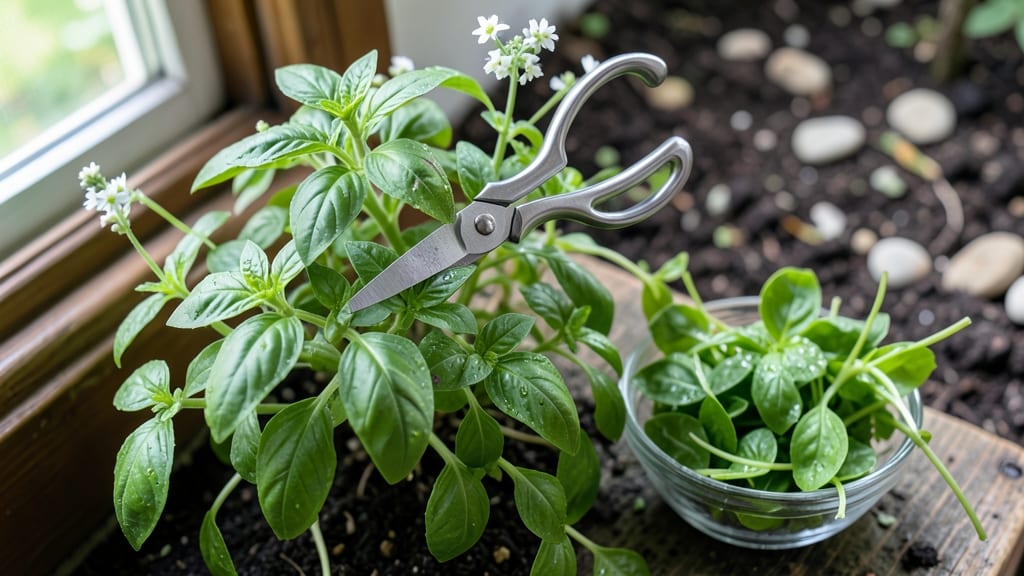
To harvest basil, wait until the leaves reach 3-4 inches for that perfect balance of flavor and growth 🌿 — that’s when your plant is ready to give back.
Fresh basil isn’t just a kitchen staple—it’s a flavor powerhouse, but only if you harvest it correctly. Timing, technique, and proper care can turn your potted basil into a year-round herb factory.
Most gardeners make the mistake of snipping leaves too early or too late, which weakens the plant or dulls its taste. I’ve learned the hard way that morning harvests preserve flavor, and cutting above a leaf node encourages bushier growth.
In this guide, I’ll walk you through the exact steps to harvest basil without harming your plant, plus tips to keep it thriving all season long.

When and how to harvest basil for maximum flavor and growth
Harvesting basil at the right time transforms your plant from a simple herb into a flavor factory. The key is patience—wait until leaves reach 3-4 inches in length before cutting.
This size ensures maximum flavor intensity while allowing the plant to regrow bushier and healthier. Skipping this step means sacrificing both taste and future harvests.
Timing matters just as much as technique. The best time of day to harvest is early morning, when essential oils are at their peak. Avoid harvesting after noon, as the heat can make leaves wilt faster.
A sharp pair of pruning shears or clean scissors is all you need—no fancy tools required!
Never harvest more than ⅓ of the plant at once, even if it looks abundant. Over-harvesting stresses basil and can lead to bitter flavors or stunted growth. Think of it like a haircut—you wouldn’t shave your head bald, right? The same rule applies to your basil!
One common mistake is harvesting from the center of the plant. Always target the outer leaves first, as this encourages the plant to fill out. If you see leggy stems, it’s a sign you’ve been harvesting too aggressively or the plant needs more sunlight.
Move your basil to a sunnier spot immediately.
After harvesting, give your basil a little post-harvest care. Water the plant deeply to replenish moisture lost during the process, and consider adding a balanced fertilizer (like 10-10-10) to support regrowth. This two-step routine keeps your basil thriving and ready for your next harvest in just 2-3 weeks.
Pro tip: If your basil starts flowering, it’s time to harvest the entire plant and use it immediately. Flowering signals the end of the basil’s productive life cycle, and the leaves will turn bitter. But don’t worry—you can replant seeds from the flowers for next season!
For container-grown basil, harvesting correctly can extend your growing season by 2-3 months. With proper care, you’ll enjoy fresh basil from early summer well into fall. Just remember: consistency is key. Regular, gentle harvesting keeps your basil happy, flavorful, and ready for your next culinary creation.
🌿
Common basil harvesting mistakes and how to avoid them
Harvesting basil incorrectly can turn your flavorful herb into a bitter, stunted plant. Even experienced gardeners sometimes make mistakes that hurt growth or quality. The key is knowing what to avoid—like over-pruning or picking the wrong leaves—and how to care for your plant after harvesting.
One of the biggest mistakes is harvesting too aggressively. If you cut back more than one-third of the plant at once, you risk shocking the basil and slowing down regrowth.
Another common error is waiting until the leaves are too large, which can make the flavor milder and less aromatic.
Seasonal changes also play a role. In hot summer months, basil grows faster, so you’ll need to harvest more often. But in cooler weather, growth slows down, and over-harvesting can stress the plant. Let’s break down these mistakes and how to fix them for a thriving basil plant.
Harvesting the wrong leaves or at the wrong time can ruin your basil. Never pick leaves from the bottom of the plant—they’re older and bitter. Instead, focus on the top 2-3 sets of leaves to encourage new growth. Also, never harvest flowering stems, as this signals the plant to stop producing leaves and focus on seeds.
Another mistake is neglecting post-harvest care. After cutting, always water your basil and place it in a spot with bright, indirect light for a day or two. This helps it recover faster.
If you see yellowing leaves after harvesting, it might be a sign of overwatering or nutrient deficiency, so adjust your care routine accordingly.
Seasonal adjustments are crucial, too. In spring and fall, basil grows slower, so harvest less frequently. But during peak summer growth, you can harvest every 2-3 weeks without harming the plant. Pay attention to the plant’s response—if it looks leggy or sparse, you’re likely harvesting too much.
Finally, avoid harvesting in the late afternoon, when leaves are more likely to wilt. Morning harvests yield the freshest, most flavorful leaves. With these tips, your basil will stay lush, productive, and full of that signature sweet aroma.