
How To
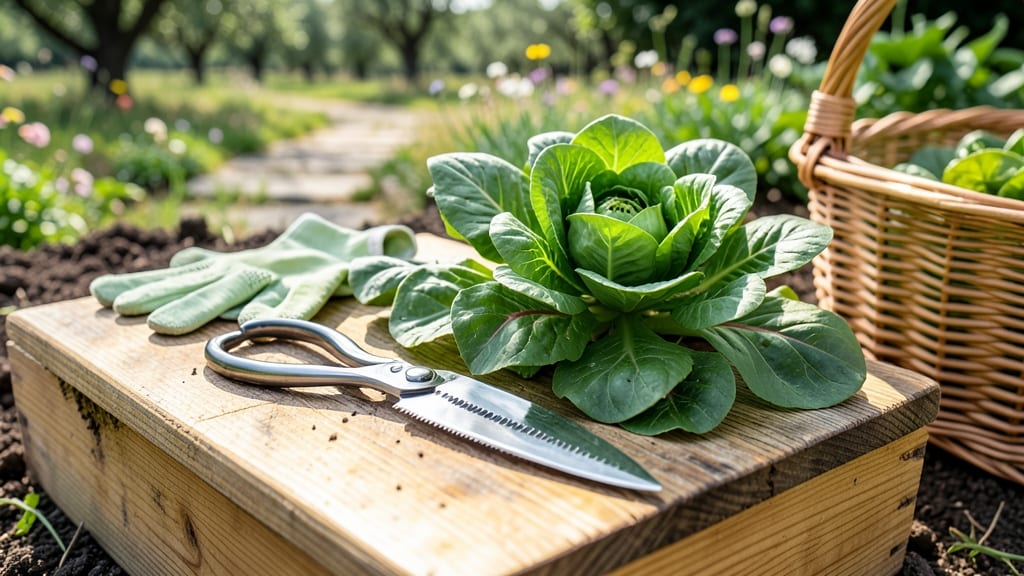
Harvesting bib lettuce at the right time gives you tender, crisp leaves that taste like a restaurant salad 🥬—but timing and technique make all the difference.
Picture this: you’ve nurtured your bib lettuce for weeks, only to pull a leaf that’s bitter or wilted. That’s the difference between a perfect harvest and a frustrating one. The key is knowing when the leaves are ready and how to cut them without stressing the plant.
In this guide, I’ll walk you through the exact signs to look for—like leaf size, stem thickness, and color—so you never harvest too early or too late.
You’ll also learn the best tools to use, how to handle the leaves gently, and simple storage tricks to keep them fresh for days.
Whether you’re a first-time gardener or a seasoned green thumb, these steps will help you enjoy a steady supply of homegrown, bitter-free lettuce all season long.

When to harvest bib lettuce for maximum flavor and texture
Timing your bib lettuce harvest correctly transforms your garden into a crisp, flavorful salad source. Unlike loose-leaf varieties, bib lettuce forms tight heads that need precise attention to avoid bitterness or tough stems. The key lies in watching for three visual cues: leaf size, stem tenderness, and vibrant color.
Harvest too early, and you’ll get pale, underdeveloped leaves; wait too long, and the stems toughen while flavor fades.
Most bib lettuce varieties reach harvest readiness between 30-60 days after planting, but this window shifts with your climate. In cooler regions like USDA Zone 6a, aim for late spring to early summer (May-July) when temperatures stay below 75°F (24°C).
In warmer zones, opt for fall planting to escape summer heat, which triggers bolting. Even a few degrees above ideal can turn your tender greens bitter within days.
| Harvest Readiness Factor | Ideal Specification | What to Avoid |
|---|---|---|
| Leaf Size | 3-4 inches long, fully formed | Harvesting leaves <2 inches (tender but flavorless) |
| Stem Thickness | Tender, bends easily (like celery stalk) | Woody stems (overmature, bitter) |
| Color | Deep green, vibrant hue | Yellowing edges (heat stress) or pale green (underripe) |
| Head Shape | Firm, compact, tight leaves | Loose leaves (bolting or overripe) |
| Weather Conditions | Cool mornings (50-65°F), dry soil | Harvesting after rain (mold risk) or in heat (bitterness) |
| Time of Day | Early morning (cooler temps, crispest texture) | Afternoon heat (wilting, loss of crunch) |
Morning is the best time to harvest bib lettuce, as cooler temperatures preserve crispness and prevent wilting. Gently grasp the outer leaves first—they’re ready when they reach 3-4 inches and feel firm to the touch.
A good test: pinch a leaf between your fingers; if it holds its shape without bruising, it’s harvest-ready. Pro tip: Use a sharp knife or clean scissors to cut just above the base, leaving 1 inch of stem to encourage regrowth.
Environmental factors like temperature and daylight dramatically impact harvest timing. Bib lettuce thrives in cool-season conditions (50-65°F) and bolts when exposed to prolonged heat (>80°F).
In my Zone 6a garden, I’ve found that planting in early spring (March-April) yields the sweetest harvests by June, while fall plantings (August-September) extend the season until October’s first frost. Always monitor your plants’ response to local weather—adjust timing if you notice premature bolting or stunted growth.
Seasonal timing also dictates harvest frequency. During peak growing months (spring/fall), you can harvest every 7-10 days by picking outer leaves, allowing the inner leaves to mature. In hot summers, reduce harvesting to every 2 weeks to prevent stress.
I once over-harvested my bib lettuce in July, and within a week, the remaining heads turned bitter and woody—a lesson that taught me to respect the plant’s rhythm during heatwaves.
Watch for signs of overmaturity, which include yellowing leaves, hollow stems, or flowers sprouting from the center. These indicate the plant has shifted energy from leaf production to seed development, ruining texture and flavor.
To avoid this, I set a harvest calendar based on my planting date and local frost dates. For example, if I planted on April 1st, I schedule harvests between May 15th and June 15th, then replant for a fall crop.
For continuous harvests, practice the "cut-and-come-again" method: snip the outer 1/3 of leaves at soil level, leaving the inner core intact. This technique works best with loose-leaf bib varieties like 'Buttercrunch' or 'Romaine'.
After each harvest, water deeply and fertilize lightly with a balanced 5-10-10 mix to promote regrowth. I’ve extended my harvest season by 4-6 weeks using this method, even in challenging climates.
Store harvested bib lettuce properly to maintain its crisp texture and sweet flavor. Wrap heads loosely in damp paper tow
Step-by-step harvesting techniques to preserve lettuce quality
Harvesting bib lettuce correctly keeps your plants thriving while delivering the crispest, sweetest leaves. The key is to use the right tools and methods to avoid damaging the plant or causing stress.
I’ve found that sharp scissors or a clean knife make all the difference—dull tools crush stems and invite pests.
Start by harvesting outer leaves first to encourage regrowth. This method lets you enjoy fresh lettuce for weeks without pulling the whole plant. For baby leaves, gently pinch them at the base, leaving the inner leaves intact. This approach mimics nature and keeps your lettuce productive.
How to Harvest Bib Lettuce
- Step 1: Choose the right harvesting tool—use sharp scissors or a clean knife to make precise cuts.
- Step 2: Select outer leaves that are 3-4 inches long and deep green in color.
- Step 3: Cut or pinch just above a leaf node (where new growth emerges) to avoid damaging the plant.
- Step 4: Harvest in the morning when leaves are cool and crisp for the best flavor and texture.
- Step 5: Store harvested leaves in a sealed container with a paper towel to absorb moisture and extend freshness.
Frequency matters too. I recommend harvesting every 2-3 days during peak growth to keep your lettuce productive. Over-harvesting weakens the plant, while skipping too long lets leaves turn bitter. Balance is key—aim for half the plant’s leaves at each session to maintain vigor.
After harvesting, rinse leaves gently under cool water to remove dirt, then pat dry with a clean towel. Store them in the fridge in a ventilated container (like a salad spinner bag) to prevent wilting. This simple step keeps your lettuce fresh for 5-7 days—longer than store-bought!
If your lettuce starts to bolt or taste bitter, it’s a sign of stress from heat or over-maturity. To fix this, move plants to shadier spots and focus on harvesting younger inner leaves. With these techniques, you’ll enjoy a steady supply of homegrown, restaurant-quality lettuce all season. 🥬