
How To
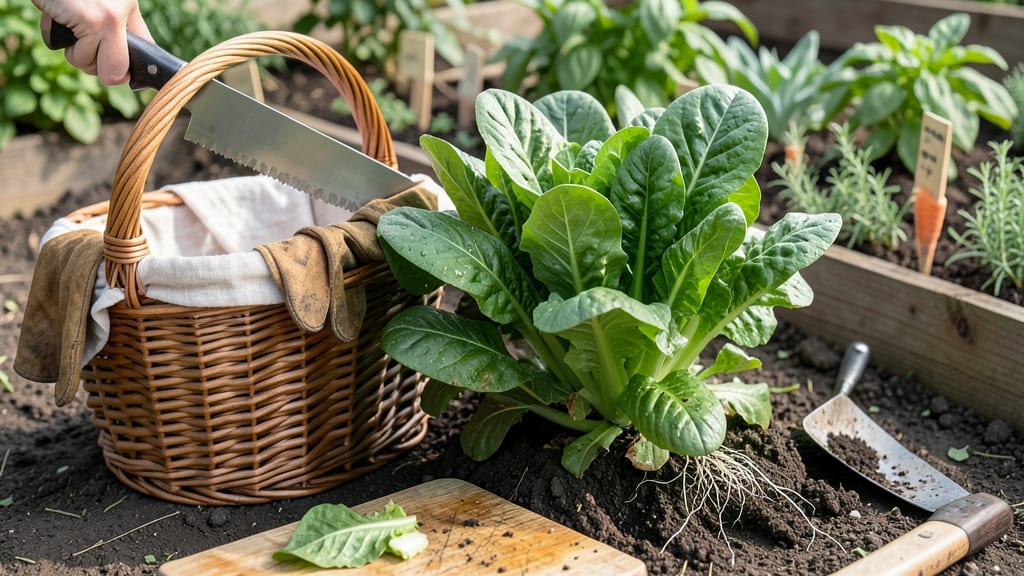
Harvesting lettuce at the right time ensures crisp, flavorful leaves 🥬 — but one wrong cut can turn your salad greens bitter or tough.
Most gardeners wait until the leaves are fully grown, but the real secret is the stem snap test, which tells you when the flavor peaks and the texture stays perfect. Skip this step, and you might end up with lettuce that’s either too soft or too woody.
In this guide, I’ll walk you through the exact method to test your lettuce, the best tools to use, and how to harvest without damaging the plant. You’ll also learn how to extend your harvest for weeks with the right techniques.
Whether you’re growing loose-leaf varieties or tight heads, these tips will keep your garden producing crisp, delicious lettuce all season long.

The stem snap test: how to tell when lettuce is ready for harvest
Harvesting lettuce at the perfect moment transforms your garden from a bitter disappointment to a crisp, flavorful feast. The stem snap test is my secret weapon—this simple technique reveals when your lettuce is ready to eat, not just "big enough."
Whether you're growing loose-leaf varieties like Buttercrunch or head lettuces like Iceberg, this method works for all types. Let's dive into how to use it like a pro to avoid tough, woody stems and maximize your harvest.
First, understand what the stem snap test actually measures. When you gently bend a lettuce stem, the sound it makes tells you everything about texture and flavor. A crisp snap means perfect timing, while a dull bend signals it's past its prime.
This test works because lettuce's cell structure changes as it matures—starting soft and sweet, then becoming fibrous and bitter. Mastering this skill means you'll never overlook a perfect salad again.
How to Perform the Stem Snap Test
-
Step 1: Choose the Right Leaf
Select the outermost mature leaf (for loose-leaf) or the bottom leaf of a head lettuce. Avoid damaged or yellowing leaves.
-
Step 2: Grip the Stem
Hold the leaf's stem between your thumb and forefinger, about 1-2 inches from the base. Use a light but firm grip—no crushing!
-
Step 3: Bend, Don't Twist
Gently bend the stem downward at a 45-degree angle. Apply gradual pressure—you're testing, not breaking it.
-
Step 4: Listen for the Snap
Crisp snap = Perfectly ripe (harvest now!)
Dull bend = Overmature (tough, bitter)
No sound = Underripe (still needs time) -
Step 5: Visual Confirmation
Check for vibrant color (deep green, not yellow) and firmness. The leaf should feel crisp, not floppy.
For loose-leaf varieties like Romaine or Oakleaf, the stem snap test is especially valuable because you can harvest leaves selectively without killing the plant. When a leaf snaps crisply, it's time to pluck it—this encourages the plant to produce more leaves.
I've found that loose-leaf lettuces often respond best to this method because they continue growing after partial harvests.
Head lettuces like Iceberg or Butterhead require a slightly different approach. With these varieties, you'll want to wait until the entire head passes the snap test—usually when the leaves are fully formed and the head feels dense and compact.
The outer leaves should snap crisply while the inner leaves are still firm. If you harvest too early, the head won't develop properly, and if you wait too long, the core can become woody and bitter.
Timing is everything when it comes to lettuce flavor. The ideal harvest window is when leaves are fully grown but haven't started to bolt or yellow. Bolting (when the plant sends up a flower stalk) happens when lettuce senses heat or stress.
Once bolting starts, the leaves become bitter and tough, and the plant shifts its energy to seed production. The stem snap test helps you catch lettuce just before this happens.
What if your lettuce fails the snap test? Don't panic! If it's underripe, give it a few more days in cool, shaded conditions. If it's overmature, you can still use the leaves—just remove the tough core and chop the outer leaves for salads or cooking.
Overmature lettuce makes great pesto or sautéed greens, where bitterness is less noticeable.
Here's a bonus tip: Harvest in the morning after the dew has dried but before the heat of the day sets in. Lettuce is most crisp and flavorful at this time. Use a sharp knife or clean scissors to avoid damaging the plant.
For loose-leaf varieties, pinch the leaf off just above a leaf node (the point where new leaves grow). For head lettuces, cut the entire head at the base with a single clean slice.
After harvesting, store your lettuce properly to maintain that fresh-from-the-garden crispness. Wrap loose-leaf varieties in a damp paper towel and place them in a perforated plastic bag in the fridge. Head lettuces should be stored whole and unwashed (dirt protects them) until you're ready to use them.
With proper care, your harvested lettuce can stay fresh for up to 2 weeks—though I find it's best enjoyed within 3-5 days for peak flavor.
Mastering the stem snap test will revolutionize your lettuce harvests. You'll enjoy crisp, sweet leaves instead of tough, bitter disappointments, and your plants will keep producing for weeks longer than if you harvested haphazardly.
Plus, this method works for all lettuce varieties, from delicate Buttercrunch to hearty Romaine. Give it a try with your next harvest—your taste buds will thank you!
Best harvesting methods to extend lettuce production for weeks
Extending your lettuce harvest beyond a single cutting requires strategic planning. The cut-and-come-again method lets you harvest outer leaves repeatedly for weeks, while full-head removal works best for varieties like romaine that thrive when harvested all at once.
Each approach has distinct advantages depending on your lettuce type and growing conditions.
For loose-leaf varieties like Buttercrunch or Oakleaf, the cut-and-come-again method is ideal. You can harvest 3-5 times per season by simply snipping outer leaves when they reach 3-4 inches tall. This encourages the plant to produce more leaves, maximizing your yield without sacrificing flavor or texture.
In contrast, head lettuce varieties such as Iceberg or Romaine should be harvested all at once. These types develop a compact, crisp head that's best enjoyed fresh rather than regrown. Removing the entire head prevents bolting (flowering) and ensures you get the most flavorful, crunchy harvest possible.
| Harvest Method | Best Varieties | Regrowth Potential | Harvest Frequency | Key Tip |
|---|---|---|---|---|
| Cut-and-Come-Again | Buttercrunch, Oakleaf, Red Sails | 3-5 harvests per season | Every 2-3 weeks | Trim outer leaves only |
| Full-Head Removal | Iceberg, Romaine, Bibb | Single harvest per plant | Once at maturity | Harvest when heads are firm |
To maximize regrowth with the cut-and-come-again method, always use clean, sharp scissors or pruners. Cut leaves just above a leaf node (the point where new leaves emerge) to encourage fresh growth. Avoid pulling leaves, as this can damage the plant and lead to bolting or disease.
When harvesting head lettuce, wait until the head is fully formed and firm. Gently twist or cut the head at the base, leaving the roots intact. This method ensures you get the crispest, most flavorful lettuce while preventing the plant from wasting energy on regrowth.
To avoid bolting (when lettuce flowers prematurely), harvest in cool weather (below 75°F) and keep plants well-watered. Mulch around the base to maintain even soil moisture, which helps prevent stress that can trigger bolting.
With the right technique, you can enjoy fresh lettuce for 8-10 weeks from a single planting!