
How To
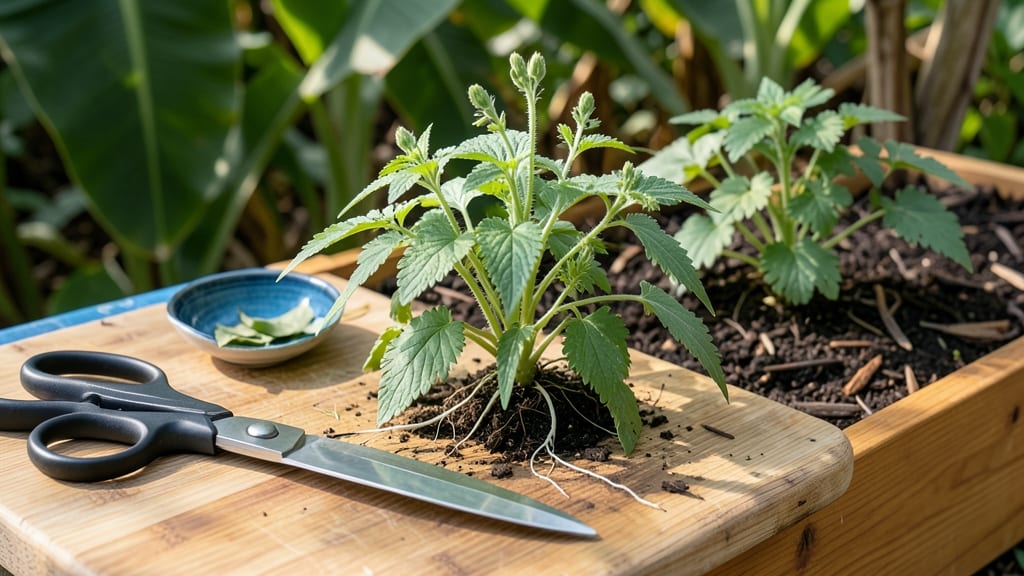
Harvesting culantro leaves at the right time ensures bold, citrusy flavor and keeps your plant thriving for months 🌿 — but one wrong cut can mean the end of your harvest season.
If you’ve ever snipped too close to the base and watched your plant wilt, you know how easy it is to overdo it. The secret? A simple stem snap test tells you exactly when to harvest, plus a few key cutting tips that save your plant and your recipes.
This herb isn’t just hardier than cilantro—it rewards the right care with continuous regrowth. Below, I’ll walk you through the best timing, how to cut without killing your plant, and what to do after the harvest to keep your culantro bushy and productive all season.
Ready to turn your kitchen into a flavor powerhouse? Let’s get started with the easiest way to harvest culantro without sacrificing future harvests.

The perfect time & method for harvesting culantro leaves
Harvesting culantro at the right time ensures you get the brightest citrusy flavor while keeping your plant healthy for future harvests. Unlike cilantro, culantro doesn't bolt easily, but timing still matters.
The ideal harvest window is when plants reach 6-12 inches tall with fully developed leaves—usually 45-60 days after planting.
Before you grab your shears, perform the stem snap test, a foolproof way to check if your culantro is ready. A crisp snap means the leaves are packed with flavor, while a bend without snapping signals it's too young.
This simple test saves you from harvesting too early and sacrificing flavor.
Step-by-Step: How to Harvest Culantro Properly
- Step 1: Choose Mature Leaves – Select the largest, darkest leaves (usually the outer leaves) for harvesting. These are fully developed and packed with flavor.
- Step 2: Perform the Snap Test – Gently pinch a stem between thumb and forefinger. If it snaps cleanly, the leaves are ready. If it bends, wait 3-5 more days.
- Step 3: Cut at the Base – Use clean, sharp scissors or pruning shears to cut leaves 1-2 inches above the soil line. Avoid tearing leaves to prevent damage.
- Step 4: Leave Regrowth Stubs – Never cut more than 1/3 of the plant at once. Leave 2-3 inches of stem to encourage new growth.
- Step 5: Harvest Regularly – For continuous yield, harvest every 2-3 weeks during the growing season (May-October). This prevents bolting and keeps flavor peak.
- Step 6: Store Properly – Rinse leaves gently, pat dry, and store in a sealed bag in the fridge for up to 1 week. For longer storage, freeze or dry.
Timing your harvests right is key to avoiding woody stems or bitter flavors. Culantro thrives in warm weather (70-85°F), so focus on harvesting during late spring through early fall. If you wait until the plant flowers, the leaves become harsher and less flavorful.
One common mistake is harvesting too aggressively. If you remove more than half the plant at once, it may struggle to recover. Instead, space out harvests and always leave the inner leaves intact. This ensures your culantro stays lush and productive for months.
For indoor growers, culantro can be harvested year-round if given bright indirect light. Just maintain a consistent watering schedule and fertilize every 4-6 weeks with a balanced 10-10-10 fertilizer. Outdoor plants benefit from morning sunlight and afternoon shade to prevent bolting.
Pro tip: If your culantro starts to bolt (send up flower stalks), it’s a sign to harvest immediately—the leaves will lose flavor quickly. Bolted culantro can still be used, but it’s best for drying or freezing rather than fresh use.
To maximize your harvest, mulch around the base with compost or straw to retain moisture and nutrients. This encourages faster regrowth after each harvest. With proper care, a single culantro plant can provide continuous harvests for 6-8 months.
Remember, the key to great culantro is harvesting young leaves and avoiding over-pruning. By following these steps, you’ll enjoy a steady supply of fresh, flavorful leaves all season long.
How to perform the stem snap test to check culantro readiness
Harvesting culantro at the right moment guarantees its signature citrusy flavor and encourages vigorous regrowth. The stem snap test is my go-to method for determining when culantro leaves are ready.
Unlike other herbs, culantro's readiness isn't just about leaf size—it's about stem resilience and flavor intensity. When done correctly, this simple test prevents over-harvesting and keeps your plant thriving.
Before you grab your pruners, understand why this test works. Culantro's stems harden as they mature, signaling peak flavor. A clean snap means the plant is ready, while a bend or break indicates it needs more time.
This method aligns with culantro's fast growth cycle, ensuring you harvest before the plant diverts energy to flowering, which dulls its flavor.
⚠️ callout warning
- Over-harvesting: Never remove more than 1/3 of leaves at once—culantro recovers poorly from severe pruning.
- Premature cutting: Wait until stems are firm but flexible (not soft or woody).
- Wrong stem test: Test the main stem near the base, not tender new growth.
To perform the test, select a healthy outer stem near the base of the plant. Grip it firmly with your thumb and forefinger, about 2 inches from the soil line. Apply gentle pressure—upward and away from the plant—until you hear a distinct snap.
If the stem breaks cleanly with a sharp, crisp sound, your culantro is ready for harvest. This indicates the plant has stored enough energy in its stems to support regrowth.
What if the stem bends instead of snapping? This means your culantro needs more time to mature. Wait another 3–5 days and retest. Over-harvesting immature culantro can stunt its growth or cause it to bolt prematurely, leading to bitter leaves.
For best results, harvest in the morning after watering, when stems are most resilient.
The stem snap test also helps predict regrowth success. A clean snap suggests the plant’s vascular system is active, meaning new leaves will sprout quickly. After harvesting, always leave at least 2–3 inches of stem attached to the plant.
This ensures the root system can redirect nutrients to new growth. For continuous harvests, repeat the snap test every 2–3 weeks during the growing season.
If your culantro fails the snap test repeatedly, check its growing conditions. Insufficient sunlight (less than 4 hours/day) or overcrowded roots can weaken stems. Move your plant to a sunnier spot or thin out nearby plants.
With proper care, your culantro will pass the snap test reliably, delivering bold, flavorful leaves all season long. 🌿