
How To
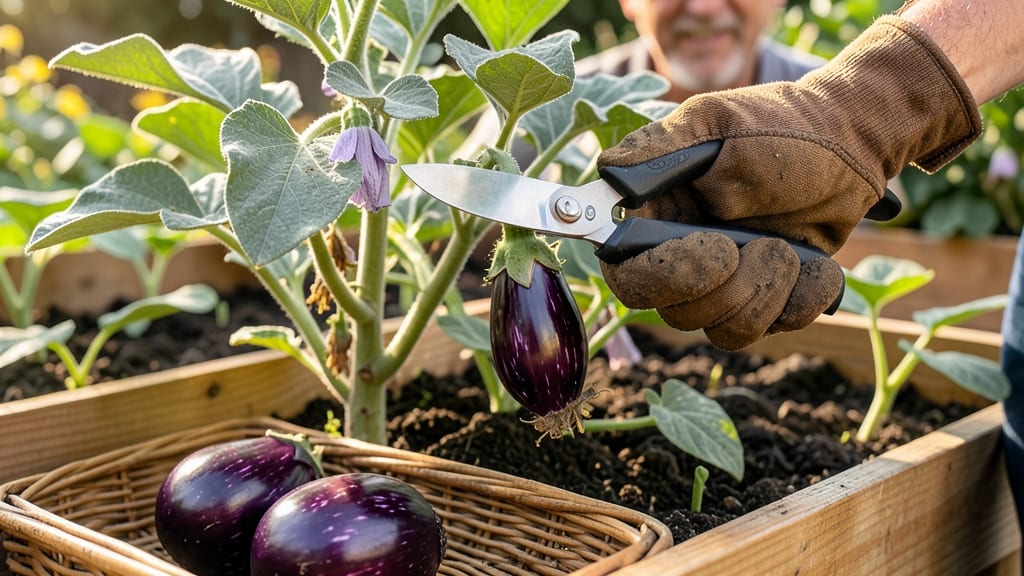
Harvesting eggplant at the right time ensures you get the sweetest, tenderest fruit—and skipping these steps means bitter, seedy disappointments.
Picking eggplant at the wrong time can turn your homegrown harvest into bitter, seedy disappointments—but knowing exactly when to pluck these glossy purple gems ensures sweet, tender fruit every time. 🍆
Most gardeners wait until the fruit reaches 6-8 inches and turns deep purple, but the real secret is checking for firmness and the right stem color. A quick press test tells you whether it’s ready to pick or still needs time.
In this guide, I’ll walk you through the 3 key signs of peak ripeness, the best time of day to harvest for maximum flavor, and how to handle your eggplant after picking to keep it fresh for weeks.
3 Unmistakable signs your eggplant is perfectly ripe for harvesting
There's nothing worse than biting into an eggplant that's either too seedy or underripe and bitter. The key to sweet, tender eggplant lies in mastering the art of harvest timing. Unlike some fruits, eggplants don't ripen further after picking, so getting them right in the garden is everything.
I've learned the hard way that waiting too long means tough, woody flesh, while harvesting too early gives you watery, flavorless disappointment.
Don't worry—identifying the perfect moment takes just a few simple checks. You'll need to examine three key areas: the skin color, fruit firmness, and the calyx (flower end). These visual and tactile cues work for all eggplant varieties, from classic purple globe types to long Japanese varieties.
Once you know what to look for, you'll never second-guess your harvest again.
- 1 Check the skin color: Look for a deep, consistent hue (purple, black, white, or striped). Avoid green-tinged or pale spots—these mean underripe fruit. The skin should be glossy and thick, not dull or wrinkled.
- 2 Test the firmness: Gently press the eggplant with your thumb. It should yield slightly (like a ripe avocado) but not feel mushy. If it's too soft, it's overripe; if it's rock-hard, it needs more time.
- 3 Inspect the calyx: The flower end (calyx) should turn yellowish-brown and dry out slightly. If it's still green and firm, the eggplant isn't ready. A dry calyx means the fruit has reached its peak sweetness.
One mistake I see gardeners make is harvesting by size alone. While most eggplants reach 6-8 inches at maturity, some varieties (like Italian heirlooms) can grow much larger. Always prioritize the color and firmness over size—an eggplant that's too large but still green will be bitter and seedy.
Another pro tip? Harvest in the morning when temperatures are cool. This preserves the fruit's crispness and flavor. If you must pick later in the day, store them in a cool, dark place for a few hours before using.
I've found that eggplants harvested in the afternoon can develop softer flesh faster due to heat stress.
What about overripe eggplants? If you miss the window, you'll know because the skin becomes wrinkled or leathery, and the flesh turns spongy and seedy. The good news?
Overripe eggplants are still edible—they just work better in cooked dishes where texture matters less. But for the best raw or grilled results, aim for that glossy, firm perfection.
For white or striped varieties, the rules are the same, but pay extra attention to the color consistency. Some white eggplants (like Rosa Bianca) stay pale but develop a slight yellow tint at the calyx when ripe.
If you're growing Asian long eggplants, they'll be ready when they reach 12-18 inches and show the same firmness and calyx changes.
Here's a bonus trick: Twist gently at the stem when harvesting. The fruit should detach cleanly with a slight snap. If you're using pruning shears, leave a small stem stub (about ½ inch) to prevent rot. I always use sterilized shears to avoid introducing diseases to the plant.
Finally, resist the urge to harvest all your eggplants at once. Check your plants every 2-3 days during peak season (July-September in most climates) to ensure a steady supply. I've learned that regular harvesting actually encourages more fruit production—so don't be shy about picking!
With these three signs mastered, you'll go from guessing to knowing exactly when your eggplants are ready. The first time you bite into a homegrown eggplant with that perfect sweet, tender flesh, you'll never want to buy store-bought again.
When to harvest eggplant for maximum flavor: day vs. night timing secrets
Harvesting your eggplant at the wrong time of day can drastically alter its flavor—overripe fruit becomes bitter, while underripe fruit stays tough and bland. The cool morning hours (between 6 AM and 9 AM) are ideal because temperatures are lower, reducing stress on the plant and preserving natural sugars.
This is when I always check my garden for ripe eggplants, as the fruit has had a full night to develop its sweetness without the heat of the afternoon.
Temperature plays a huge role in flavor development. Eggplants grown in hotter climates (Zones 9-11) develop sweeter, more tender fruit when harvested in the early morning, while cooler-zone gardeners (Zones 6-8) can sometimes harvest in the late afternoon (4-6 PM) to avoid chilly morning dew.
The key is to harvest when the plant isn’t under stress from extreme heat or cold—this keeps the fruit’s texture firm and taste vibrant.
| Harvest Time | Best For | Temperature Range | Flavor Impact |
|---|---|---|---|
| Morning (6-9 AM) | All climates | 55-75°F (13-24°C) | Sweetest, most tender |
| Late Afternoon (4-6 PM) | Cooler zones (6-8) | 60-70°F (16-21°C) | Good texture, mild flavor |
| Evening (After 7 PM) | Avoid | Below 60°F (16°C) | Bitter, seedy risk |
Seasonal timing also matters—early-season eggplants (June-July) often ripen faster in warm soil, while late-season varieties (August-September) may need cooler mornings to reach peak sweetness.
I’ve noticed that my Black Beauty eggplants harvested in July (peak summer heat) taste best when picked by 7 AM, while Ichiban varieties in September can wait until 8 AM without losing quality.
Always prioritize harvesting before the fruit starts to wrinkle or soften, as these are clear signs of overripeness.
After harvesting, store your eggplants in a cool, dark place (50-55°F or 10-13°C) for up to a week. I keep mine in the crisper drawer of my fridge, wrapped in a paper towel to absorb excess moisture.
For long-term storage (up to 2 weeks), you can cure them at room temperature for 24 hours before refrigerating—this enhances their flavor and texture. Avoid washing until ready to use, as moisture speeds up spoilage.
Pro tip: If you’re harvesting multiple eggplants, use a sharp, sterilized knife and cut the stem with a 1-inch gap to prevent rot. I’ve found that harvesting every 3-5 days during peak season encourages more fruit production, so don’t wait until the plant is overloaded—stay proactive! 🌱
Remember, the earlier you harvest, the more control you have over flavor and texture. By following these timing secrets, you’ll enjoy eggplants that are sweeter, firmer, and packed with garden-fresh goodness every time you pick them. Happy harvesting! ✂️