
How To
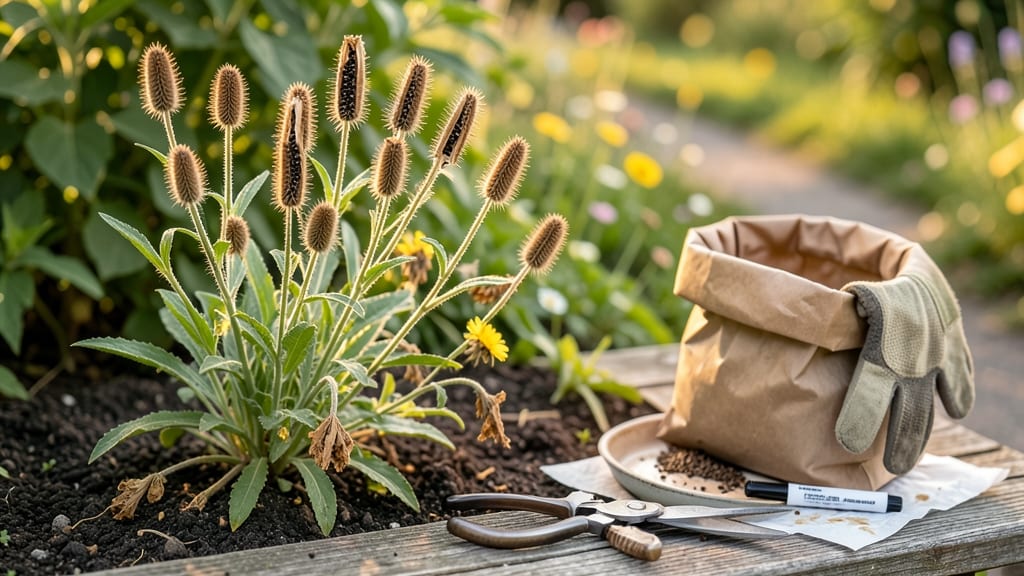
Harvesting evening primrose seeds 🌸 requires timing them perfectly—when the pods crack open naturally, before the wind or wildlife steals them away.
Picture this: You’ve nurtured your evening primrose all season, and now the moment of truth arrives. One wrong move, and those precious seeds scatter like confetti. But get it right, and you’ll unlock a stash of seeds packed with omega fatty acids—perfect for replanting or even medicinal uses.
Most gardeners miss the window because they don’t recognize the exact signs of readiness. The pods turn brown, split open on their own, and release dark, mature seeds—these are your cues. Ignore them, and you’ll end up with empty husks or seeds that won’t sprout.
In this guide, I’ll walk you through how to spot the perfect pods, the gentleest way to collect them, and the best drying and storage methods to keep those seeds viable for months. No more wasted effort—just a foolproof harvest.

When and how to identify perfectly ripe evening primrose seed pods
Evening primrose (Oenothera biennis) produces delicate seed pods that burst open when fully ripe, scattering seeds across your garden. To maximize your harvest, you’ll need to recognize the exact visual cues and seasonal timing.
Missing this window means losing seeds to wind or wildlife, while harvesting too early results in non-viable seeds that won’t sprout.
Timing is everything—late summer to early fall is prime season, typically August through September in most USDA zones. Look for mature seed pods that have transitioned from green to a deep brown color, signaling they’re ready for collection.
These pods will also feel dry and papery when gently squeezed, a key indicator of readiness.
Here’s how to spot perfectly ripe evening primrose seed pods at a glance:
| Stage | Visual Cues | Action |
|---|---|---|
| Early Pod Stage | Green, firm pods | Wait 4-6 weeks |
| Ripening Stage | Brown, dry pods starting to split | Harvest immediately |
| Overripe Stage | Empty or cracked pods | Too late—seeds scattered |
| Seed Maturity | Dark brown, fully developed seeds | Store for planting |
Daily checks are crucial, especially on dry, sunny days when pods ripen fastest. Morning inspections work best—cool temperatures slow ripening, while afternoon heat accelerates it. If you notice pods cracking open naturally, act within 24 hours to prevent seed loss.
Environmental factors like humidity and rainfall can delay ripening. In wet climates, pods may stay green longer, while drought conditions can cause premature splitting. If your area experiences unpredictable weather, consider covering plants with lightweight mesh to protect pods from rain while allowing airflow.
One of the biggest mistakes is harvesting based on flower wilting alone. While wilted blooms signal the start of pod formation, the seeds inside may take 4-6 weeks more to mature. Always confirm pod color and texture before collecting—this ensures high germination rates for future plantings.
Pro tip: Use a magnifying glass to inspect seed pods closely. Look for tiny cracks along the seams—this is your final sign that seeds are ready. Gently tap the pod; if seeds rattle inside, they’re fully developed and ready for harvest.
For gardeners in cooler climates, evening primrose pods may not ripen fully before the first frost. In these cases, harvest pods early (when brown but still closed) and dry them indoors at room temperature to complete maturation. This preserves seeds without risking frost damage.
Remember, patience is key. Rushing the harvest leads to low-quality seeds that won’t germinate, while waiting too long means losing your entire yield. With practice, you’ll learn to predict ripening cycles in your specific climate, making evening primrose seed harvesting a rewarding annual ritual. 🌸
Step-by-step guide to harvesting seeds without losing them to wind or wildlife
Once you’ve spotted those perfectly ripe evening primrose pods, the next challenge is collecting them without losing seeds to the wind or curious wildlife. The key is speed and precision—act before the pods split open completely.
I’ve harvested hundreds of these seeds over the years, and I’ve learned that timing and technique make all the difference between a bountiful yield and a frustrating loss.
Start by gathering your tools: a pair of clean, sharp scissors or pruning shears, a small paper bag or envelope for each plant, and a tray lined with newspaper. Work on a dry, calm day when the pods are fully mature but haven’t yet released their seeds.
This usually happens in late summer to early fall, depending on your climate.
How to Harvest Evening Primrose Seeds
- 1 Gently twist and pull the mature seed pods from the stem. Avoid cutting the stem, as this can damage the plant. If the pod resists, use your scissors to snip it cleanly just above the pod.
- 2 Place pods in a paper bag immediately to prevent seeds from scattering. Label the bag with the plant’s name and harvest date—this keeps your seeds organized for future planting.
- 3 Dry the pods indoors in a cool, dry place away from direct sunlight. Spread them out on a tray lined with newspaper or a paper towel. This prevents mold and ensures even drying.
- 4 Monitor for seed release. After 1-2 weeks, the pods will crack open on their own. Shake them gently over a clean sheet of paper to catch the seeds as they fall out.
- 5 Store seeds in an airtight container with a silica gel packet to absorb moisture. Label the container with the harvest date—seeds stored this way can remain viable for up to 2-3 years.
If you’re harvesting seeds for medicinal purposes, ensure the pods are completely dry before processing. Moisture can trigger mold, which ruins both the seeds and their potential benefits.
For replanting, you can sow the seeds directly in the fall or stratify them in the fridge for 4-6 weeks to mimic winter conditions and improve germination rates.
Pro tip: Avoid harvesting seeds on windy days—even a gentle breeze can turn your harvest into a seed cloud. Instead, choose a calm morning when the dew has dried but the air is still.
This gives you the best chance to collect every last seed without losing them to the elements.
Once your seeds are dried and stored, you’ll have a renewable supply for future gardens or even to share with fellow gardeners. Just remember: patience is key.
Rushing the drying process can lead to moldy seeds, while waiting too long risks losing them to wildlife or weather. Balance is everything in this delicate process.