
How To
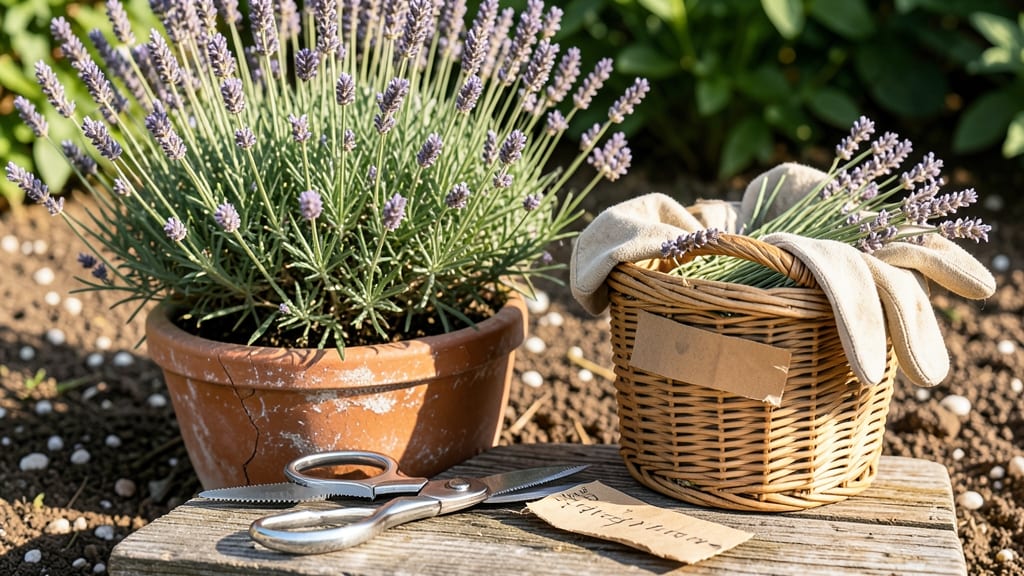
To harvest lavender for tea, you’ll want to snip the buds just as they begin opening—this peak stage is when the oils and flavor hit their sweetest, turning your garden into a fragrant tea stash.
Picture this: you’ve spent months nurturing your lavender 🌿, and now the moment arrives to transform those purple spikes into a soothing cup of herbal tea. But timing is everything—harvest too early, and the aroma is weak; too late, and the flavor turns bitter.
The best time to harvest is on a dry morning in late spring or early summer, when the buds are plump but haven’t yet unfurled. This golden window ensures your tea will be rich, floral, and packed with the essential oils that make lavender so special.
In this guide, I’ll walk you through the exact steps—from choosing the right tools to drying and storing your harvest—so you end up with tea that tastes like sunshine in a cup.

Best time and stage to harvest lavender for tea
Harvesting lavender at the perfect stage transforms your garden into a fragrant tea treasure trove. The key lies in timing—pre-flowering buds pack the most aromatic oils and delicate flavors for your tea.
Unlike full-bloom lavender, which is better for potpourri, bud-stage lavender delivers the brightest, most complex notes when steeped.
I’ve learned through years of experimenting that morning harvests yield the freshest, most potent lavender. The dew-free stems are easier to handle, and the essential oils are at their peak after a cool night.
Avoid harvesting in the midday heat or evening, as this can dilute the fragrance and cause wilting before you even dry the flowers.
Seasonally, aim for late spring to early summer—typically June through August in most USDA zones.
This aligns with lavender’s first flush of buds, when the plant’s energy is focused on flower production rather than foliage growth. English lavender and French lavender varieties are particularly prized for tea due to their high oil content and mild, sweet profiles.
When harvesting, focus on stem firmness and bud appearance. The ideal lavender for tea should have plump, closed buds that are just about to open. Gently crush a few buds—if they release a powerful, sweet fragrance, you’ve nailed the perfect timing.
Over-mature lavender with open flowers will make your tea taste earthy and bitter, rather than the delicate, floral notes you’re after.
I always harvest every 6-8 weeks during the growing season to encourage bushier growth and more flowering cycles. This method also prevents the plant from becoming woody or leggy, which can reduce both harvest quality and tea potency.
Use clean, sharp pruners to cut stems at a 45-degree angle, about 3-4 inches below the buds to promote new growth.
Regional climate plays a role too. In cooler zones (USDA 5-7), lavender may bloom later, so adjust your harvest window to July or August. Meanwhile, warmer climates (USDA 8-10) can see lavender bloom as early as May.
Pay attention to your local last frost date—once the weather is consistently warm, your lavender is ready for its first harvest.
Pro tip: Label your harvests by date and variety. This helps you track which batches yield the best tea flavor and replicate those conditions next year.
I keep a simple garden journal noting weather patterns, harvest dates, and tea-tasting results—it’s amazing how much difference a cool, cloudy morning can make compared to a hot, sunny day.
Finally, avoid harvesting lavender after rain or heavy dew. Moisture can dilute the essential oils and encourage mold growth during drying. If you must harvest after rain, wait until the stems are completely dry to the touch.
Your goal is to preserve that intense, fragrant essence that makes lavender tea so special.
With these tips
Step-by-step harvesting techniques for tea-grade lavender
Harvesting lavender for tea requires precision to preserve those delicate essential oils that give your tea its signature aroma. The right tools and techniques make all the difference between a fragrant, flavorful cup and one that falls flat.
I’ve learned through trial and error that even a slight misstep—like using dull scissors or harvesting at the wrong time of day—can compromise the quality of your harvest.
Start by gathering your harvesting tools: sharp hand shears or pruning shears (never regular scissors—they crush stems), a clean bucket or basket, and a pair of gloves to protect your hands. Lavender stems are surprisingly woody and sturdy, but they bruise easily, so handle them with care.
The goal is to cut just above a leaf node to encourage new growth while preserving the plant’s shape.
How to Harvest Lavender for Tea
-
Step 1: Choose the Right Time
Harvest on a dry morning after the dew has evaporated but before the sun peaks (around 10 AM). This preserves oil potency and prevents wilting. -
Step 2: Select Healthy Stems
Pick stems with plump buds that are just beginning to open. Avoid stems with yellowing leaves or signs of pests—these will taint your tea’s flavor. -
Step 3: Use the Right Tools
Use sharp hand shears and cut at a 45-degree angle about 2 inches above the leaf node. This encourages bushier growth and prevents disease. -
Step 4: Handle Gently
Avoid crushing stems—essential oils evaporate quickly when bruised. Bundle stems in loose groups and place them in a well-ventilated basket to air out. -
Step 5: Process Immediately
Within 2 hours of harvesting, strip leaves from stems (if using for tea) or bundle whole stems for drying. Delaying processing reduces aroma retention.
🌿 Pro Tip: Harvest no more than 1/3 of the plant at once to avoid stressing it.
When cutting, focus on the top third of the plant to maintain its shape and encourage fuller growth next season. If you’re harvesting for tea, you can strip the leaves from the stems right after cutting—this makes drying faster and ensures your tea has a richer flavor profile.
Just be sure to lay the leaves out in a single layer to dry evenly.
One common mistake I see is harvesting lavender that’s already fully bloomed. Overripe flowers lose their delicate aroma and can taste bitter in tea. Always check for that sweet, floral scent when crushing a few buds—if it’s weak, wait a few more days. Patience here pays off in every sip.
After harvesting, bundle the stems into small hanging bundles and hang them upside down in a dry, dark, well-ventilated space. This method preserves the oils and prevents mold. In just 1-2 weeks, your lavender will be perfectly dried and ready to steep into a soothing cup of tea.
The key is consistency—harvest regularly to keep your lavender plant thriving and producing high-quality buds.
With these techniques, you’ll transform your garden into a tea-making powerhouse, one fragrant harvest at a time. The secret lies in the details: sharp tools, gentle handling, and timing. Your future self (and your taste buds) will thank you! ☀️