
How To
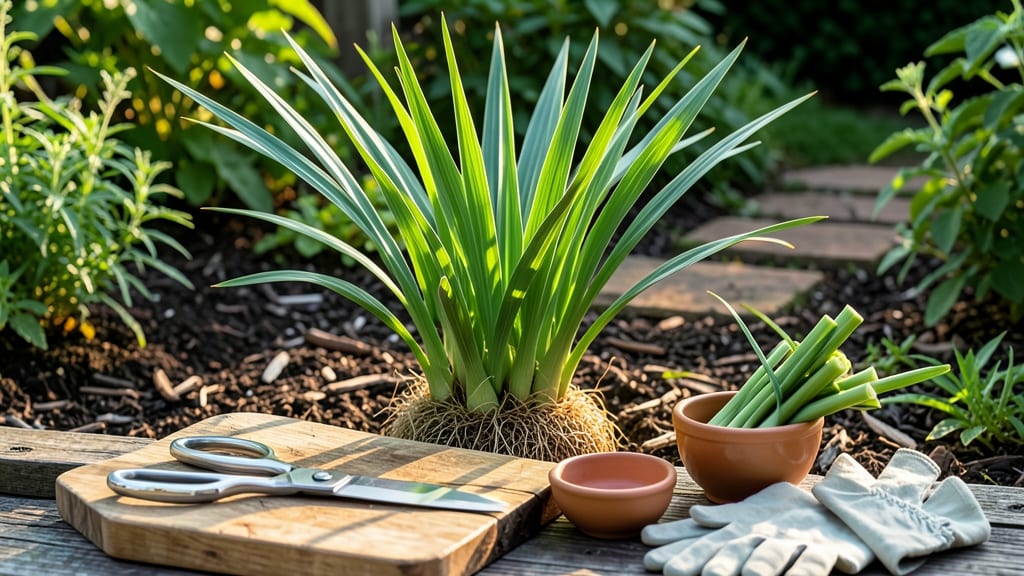
Harvesting lemongrass for tea starts with cutting the right stems at the perfect time—when the plant is mature and the citrus flavor peaks.
Picture this: you’re about to brew a fragrant, zesty tea, but your lemongrass lacks that bright punch. That’s why timing matters—harvesting too early or too late can turn your tea into a bland disappointment.
The secret lies in knowing when the stalks are 12-18 inches tall and packed with the most aroma.
Once you’ve picked the ideal stems, the next challenge is drying them properly. Skip this step, and your tea will taste dull. Whether you air-dry or use a dehydrator, I’ll walk you through the best methods to lock in that fresh, citrusy essence for months.
Ready to transform your garden into a tea-making powerhouse? By the end of this guide, you’ll know exactly when to cut, how to dry, and even how to encourage your lemongrass to regrow—so you can enjoy homemade tea all season long.

When and how to harvest lemongrass stems for maximum citrus flavor
Harvesting lemongrass at the right time ensures your tea bursts with citrusy aroma and vibrant flavor. The key window is when plants reach 3-4 months old and stand between 12-18 inches tall. This is when the essential oils peak, giving your brew that signature zesty kick.
Waiting too long can make stems woody, while harvesting too early results in weak flavor. I’ve found that morning harvests work best—cooler temps preserve oils better than midday heat.
Before cutting, inspect your lemongrass stalks for these signs of readiness: deep green leaves, a firm but flexible stalk, and a strong citrus scent when crushed. Avoid stems with yellowing tips or hollow centers, as these indicate overmaturity.
For tea, focus on the lower 8-12 inches of the stalk, where flavor concentrates. The upper leaves are great for garnishes but lack the potency needed for brewing.
Here’s how to identify the perfect stems for your tea harvest:
To harvest, use a sharp pair of pruning shears or a clean kitchen knife to cut stems at a 45-degree angle about 2-3 inches above the base. This angle increases surface area for water uptake, helping the plant regrow faster.
I always disinfect my tools with rubbing alcohol first—this prevents bacterial spread that could harm your plant. Cutting at the base also stimulates new shoots to sprout from the roots, giving you a continuous harvest.
Never remove more than one-third of the stems at once, even if your plant looks lush. Over-harvesting stresses the plant and can reduce future yields. For a sustainable harvest, I recommend spacing cuts 6-8 weeks apart during the growing season.
This rhythm keeps your lemongrass thriving while ensuring a steady supply of fresh stems for tea. In warmer climates, you can harvest year-round, but in cooler zones, wait until after the last frost.
After cutting, rinse the stems briefly under cool water to remove dirt, but avoid soaking them—this dilutes the essential oils. Pat them dry with a clean kitchen towel or paper towels. For immediate tea use, you can chop the stems into 1-inch pieces and steep them whole.
But if you’re drying for long-term storage, bundle the stems and hang them upside down in a well-ventilated, dry area away from direct sunlight. This preserves the citrus oils and prevents mold.
Pro tip: If you’re harvesting for tea, focus on the lower half of the stalk where flavor is most concentrated. The upper leaves are milder and better suited for garnishes or light infusions.
I like to save the top 4-6 inches for garnishes or quick recipes, while the rest gets dried for tea blends. This dual-purpose approach minimizes waste and maximizes your harvest’s potential.
One common mistake I see is harvesting stems that are too thin or too thick. Aim for stalks about the thickness of a pencil or slightly thicker. Thin stems lack flavor, while overly thick ones can become fibrous.
The sweet spot is when the stalk feels plump and juicy when squeezed gently. This texture guarantees the best balance of aroma and potency in your tea.
For a flavor boost, harvest on a sunny morning after the dew has evaporated. The essential oils are most concentrated at this time, giving your tea an extra zing.
Store freshly cut stems in the fridge for up to 2 weeks in a sealed container with a damp paper towel to maintain freshness. For long-term storage, dried lemongrass keeps its flavor for 6-12 months when stored in an airtight container away from light and moisture.
Remember, the more you harvest correctly, the more your lemongrass plant will reward you with vigorous regrowth. With proper timing and technique, you’ll enjoy a bountiful supply of fragrant stems for tea all season long. Happy harvesting! 🌿
Drying lemongrass for tea: air-drying vs. dehydrator methods compared
Once you’ve harvested your lemongrass stalks at the perfect height, the next critical step is drying them properly to preserve that bright citrus flavor for your tea. Drying removes moisture while keeping the essential oils intact—so your brew stays fragrant and potent.
But how do you choose between air-drying and using a dehydrator? Each method has its perks, and today, I’m breaking down the pros and cons so you can pick the best fit for your kitchen.
The key to successful drying lies in removing moisture evenly without burning or over-drying the stalks. If you rush the process, your tea will taste flat; if you take too long, mold can set in.
That’s why testing for perfect dryness is non-negotiable—more on that later. For now, let’s compare the two most popular methods side by side.
Air-Drying vs. Dehydrator: Which Wins for Lemongrass Tea?
Air-Drying
- Pros: No equipment needed, retains more natural oils
- Cons: Slower process (1-2 weeks), weather-dependent
Dehydrator
- Pros: Faster (4-6 hours), consistent results
- Cons: Requires equipment, risk of over-drying if unattended
Oven-Drying
- Pros: Accessible, good for small batches
- Cons: Risk of burning, less even drying
Best Choice?
For maximum flavor, air-drying wins. For speed and control, a dehydrator is ideal.
If you’re air-drying, bundle 3-4 stalks together and hang them upside down in a dry, dark, well-ventilated space like a pantry or closet. Avoid direct sunlight—it can degrade the essential oils and turn your tea bitter.
Aim for 1-2 weeks of drying time, checking periodically for crispness. The stalks should snap easily when bent, not bend without breaking.
For a dehydrator, set the temperature to 95°F (35°C) and arrange the stalks in a single layer, cut-side down. This low heat preserves flavor while removing moisture. Check after 4-6 hours: the outer leaves should crinkle, and the inner stalks should feel dry to the touch.
Over-drying can turn the edges brown, so monitor closely.
Once dry, store your lemongrass in an airtight container away from light and heat. Properly dried stalks last 6-12 months, though the flavor peaks within the first 3 months.
To test for perfect dryness, crush a small piece—if it snaps cleanly with no moisture, it’s ready for tea. If it feels damp or smells musty, dry it longer.
Pro tip: Combine drying methods for best results. Air-dry for the first 48 hours to remove surface moisture, then finish in the dehydrator or oven for even drying. This hybrid approach balances speed and flavor retention, ensuring your tea stays vibrant and aromatic.