
How To
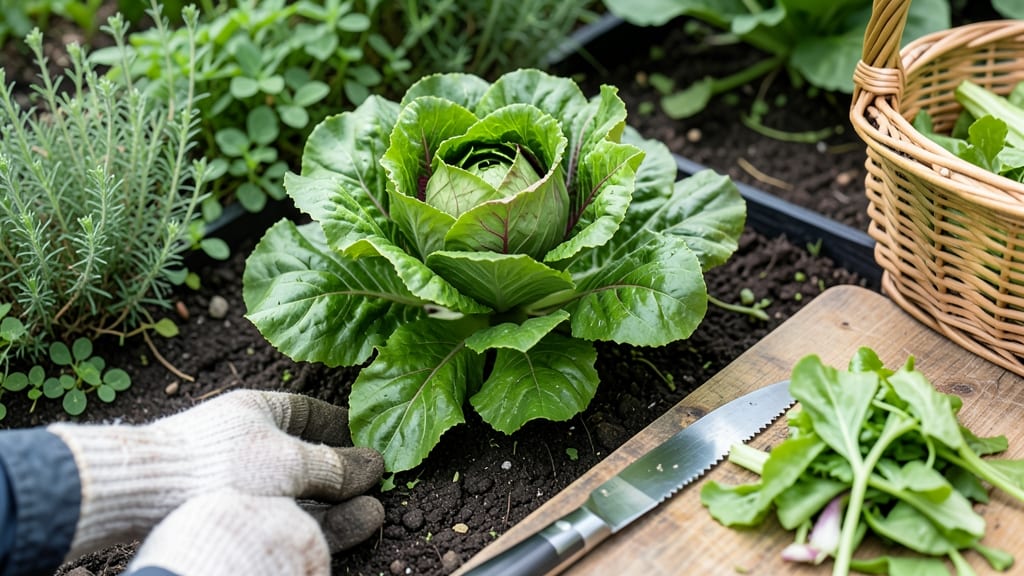
Harvesting lettuce from your garden at the right time keeps those crisp 🥬 leaves coming back for weeks—if you know the tricks.
Picture this: you’ve nurtured your lettuce for six weeks, and now the outer leaves are big enough to eat. But if you yank them all at once, you’re left with a sad, stunted plant—and no second harvest.
The secret? Cutting just the outer leaves, leaving the inner ones to regrow.
This method works for loose-leaf varieties, but head lettuce needs a different approach. Learn when to harvest for regrowth, how to avoid bitter bolting, and which tools make the job cleaner (and less messy).
By the end, you’ll know exactly when to snip, how often to harvest, and how to store your bounty so it stays fresh longer. No more wasted greens!

When and how to harvest lettuce for maximum regrowth
Harvesting lettuce at the right moment transforms your garden from a bitter disappointment to a crisp, flavorful feast. The key? Timing and technique. Loose-leaf varieties like 'Black Seeded Simpson' and head lettuces such as 'Romaine' require different approaches—yet both reward patience with continuous harvests.
Start by checking leaf size: aim for 4-6 inches in length, with vibrant color and firm texture.
For loose-leaf lettuce, you can begin harvesting as soon as the outer leaves reach 3-4 inches. This method encourages regrowth from the center, giving you multiple harvests per plant.
In contrast, head lettuces should wait until the entire head is fully formed—typically 45-60 days after sowing—before cutting the whole plant at the base. Skipping this step risks bolting, where lettuce prematurely flowers and turns bitter.
Here’s the golden rule: Always harvest in the morning after watering. This ensures leaves are crisp and hydrated, making them easier to handle and more flavorful. Use a sharp pair of scissors or pruning shears—never pull leaves by hand, as this can damage the plant.
For loose-leaf types, snip individual leaves just above a leaf node (the point where leaves attach to the stem) to promote new growth.
Pro tip: Avoid cutting into the heart of the plant unless you’re harvesting a head lettuce. For loose-leaf varieties, focus on the outer leaves first. This leaves the inner leaves to grow larger, extending your harvest window by 2-4 weeks per plant. If you notice the center leaves yellowing or the plant stretching toward the sun, it’s time to harvest the entire plant before bolting occurs.
| Lettuce Type | Harvest Method | Ideal Leaf Size | Regrowth Potential |
|---|---|---|---|
| Loose-Leaf (e.g., 'Salad Bowl') | Snip outer leaves | 3-4 inches | High (multiple harvests) |
| Butterhead (e.g., 'Bibb') | Cut entire head at base | 6-8 inches (full head) | Low (single harvest) |
| Romaine (e.g., 'Parris Island') | Cut entire head at base | 8-12 inches (tall, firm) | Low (single harvest) |
| Leaf Lettuce (e.g., 'Oakleaf') | Snip individual leaves | 4-6 inches | High (continuous harvest) |
If you’re growing loose-leaf varieties, you can harvest every 7-10 days throughout the growing season, provided the weather stays cool. For head lettuces, harvest the entire plant in one go once the head is firm and fully colored.
After harvesting, rinse leaves gently with cool water to remove dirt and debris. Pat dry with a clean towel or use a salad spinner to keep leaves crisp for longer.
One common mistake is waiting too long to harvest. If your lettuce leaves turn yellow or wilt at the edges, it’s a sign of overmaturity.
Similarly, if the plant starts to bolt (send up a tall flower stalk), it’s too late for regrowth—harvest what you can and compost the rest. To prevent bolting, plant lettuce in partial shade during hot summer months and choose heat-tolerant varieties like 'Jericho' or 'Black Seeded Simpson'.
For maximum regrowth, focus on leaf lettuces like 'Oakleaf' or 'Red Sails'. These varieties thrive when you harvest outer leaves first, allowing the inner leaves to grow larger. After each harvest, water the plant deeply at the base to encourage new growth.
Avoid fertilizing immediately after harvesting, as this can lead to soft, leafy growth that’s more prone to bolting. Instead, wait 1-2 weeks before applying a balanced fertilizer like 5-10-10.
Store harvested lettuce in the crisper drawer of your refrigerator, wrapped in a damp paper towel inside a plastic bag. This method keeps leaves crisp for up to 10 days. For long-term storage, consider freezing blanched lettuce leaves in an airtight container—though texture will soften, the flavor remains intact.
If you notice your lettuce wilting after harvest, submerge the roots in cool water for 10-15 minutes to revive it before storing.
By mastering the art of selective harvesting, you’ll enjoy a steady supply of fresh lettuce all season long. Start with the outer leaves, use sharp tools, and harvest in the morning
How to avoid lettuce bolting and extend your harvest season
Lettuce bolting—when it prematurely sends up a tall flower stalk—can turn your crisp, tender greens into bitter, woody disappointment. Heat stress, long daylight hours, and overmaturity trigger this frustrating cycle, but you can delay bolting with smart strategies.
The key is understanding your lettuce's environmental triggers and adapting your garden care to keep plants productive longer.
For cooler climates (USDA Zones 3-6), choose slow-bolting varieties like 'Winter Density' or 'Arctic King' that tolerate shorter daylight hours. These varieties naturally resist bolting when days grow longer in spring and fall.
Pair them with succession planting—sowing new seeds every 2-3 weeks—to ensure a steady supply of fresh lettuce without relying on a single batch.
🚨 callout warning 🚨
Lettuce bolts when soil temps exceed 75°F (24°C) for prolonged periods. Shade cloth (30-50%) during peak afternoon sun can drop temps by 10-15°F, buying you 2-4 extra weeks of harvest. For containers, move pots to partial shade under trees or patios when daytime highs approach 80°F (27°C).
Pro Tip: Mulch with straw or grass clippings to keep roots cool and moist—this doubles your bolting prevention efforts!
Beyond heat, day length plays a critical role. Lettuce is a short-day plant, meaning it bolts when daylight exceeds 14 hours. In northern climates, this happens in late spring, but in southern regions, it can occur as early as March.
To combat this, use row covers to filter light or plant in deep shade (under fruit trees or shrubs) where sunlight is reduced by 30-40%.
Another game-changer is harvest timing. Cut outer leaves when they reach 4-6 inches—this prevents overmaturity while encouraging regrowth. For loose-leaf varieties, you can harvest 3-4 times per plant over 6-8 weeks if you leave the inner leaves intact.
Head lettuce, however, should be harvested all at once once the head is fully formed to avoid bolting.
For extended harvests, try fall planting in cooler zones. Lettuce sown in late summer (August-September) benefits from shorter days and cooler temps, delaying bolting until October or November.
Pair this with nitrogen-rich fertilizer (like 5-10-10) every 4-6 weeks to promote leafy growth. Avoid over-fertilizing in late summer, though—too much nitrogen can shorten the plant's lifespan.
Finally, container gardening offers flexibility. Grow lettuce in 5-gallon pots and move them to shadier spots as temperatures rise. Dwarf varieties like 'Little Gem' or 'Tom Thumb' are perfect for containers and bolt 3-4 weeks later than standard types.
Just ensure pots have drainage holes and use lightweight potting mix to prevent root stress.