
How To
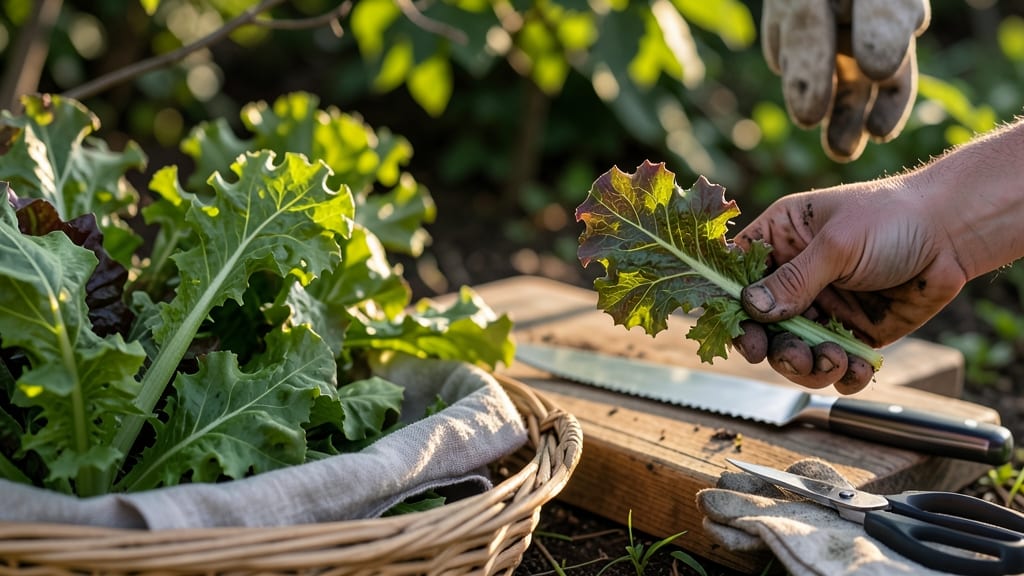
To harvest loose leaf lettuce 🥬 at its peak flavor and encourage more regrowth, you’ll want to focus on timing and technique—cutting outer leaves when they’re fully formed but before they bolt.
Loose leaf lettuce thrives when you harvest it just right—too much at once kills the plant, but the perfect timing unlocks weeks of regrowth with sweeter, more flavorful leaves. Here’s how to master the art of harvesting without sacrificing your garden’s future yield.
Start by picking leaves that are 2 to 4 inches long and crisp, using sharp scissors or clean pruners to snip just above the next set of leaves. This method keeps the plant healthy and encourages bushier growth, so you’ll get more harvests over time.
Below, I’ll walk you through the exact steps—when to harvest, what tools to use, and how to revive your lettuce after each cut—so you never waste a single leaf again.

When to harvest loose leaf lettuce for maximum regrowth and flavor
Timing your loose leaf lettuce harvest is an art that balances flavor, regrowth, and plant health. Unlike head lettuce, loose leaf varieties reward you with continuous harvests—but only if you follow the right cues.
The key is harvesting outer leaves first when they reach 2-4 inches long, leaving the inner leaves to mature. This method ensures your plant keeps producing for weeks, even in spring and fall gardens.
Start harvesting when the outer leaves curl slightly at the edges, a sign they’ve reached peak flavor and tenderness. These leaves should also feel crisp and firm when gently squeezed.
If you wait too long, the leaves may turn bitter or bolt (send up a flower stalk), ending your harvest. Conversely, harvesting too early means smaller yields and less flavor. Think of it like pruning a bush—you’re shaping the plant for future growth.
The ideal harvest window for most loose leaf varieties is 30-45 days after sowing, but this varies by variety. For example, Buttercrunch and Black Seeded Simpson are ready earlier, while Oakleaf varieties may take slightly longer.
Always check your seed packet for specific days to maturity, but trust your eyes more than the calendar—visual cues matter most.
Weather plays a surprising role in harvest timing. In hot summer months, lettuce bolts quickly, so harvest younger leaves (as small as 1-2 inches) to avoid bitterness.
In cool spring or fall, you can wait for full-sized leaves. If frost threatens, harvest everything—lettuce tastes sweeter after a light frost, but severe cold ruins the plant.
| Harvest Stage | Leaf Size | Visual Cues | Seasonal Adjustments | Frequency |
|---|---|---|---|---|
| Early Harvest | 1-2 inches | Tender, pale green, no curling | Summer heat or succession planting | Every 7-10 days |
| Ideal Harvest | 2-4 inches | Crisp, deep color, slight edge curl | Spring/fall (ideal conditions) | Every 2-3 weeks |
| Late Harvest | 4+ inches | Bitter taste, tough texture, bolting risk | Avoid in heat; harvest before bolting | One-time (remove entire plant) |
| Frost Prep | Any size | Leaves wilt or turn brown | Harvest all leaves before hard frost | Immediate harvest |
Avoid the common mistake of harvesting more than one-third of the plant at once. If you take too many leaves, the center rosette can’t recover, and the plant may bolt or die. Instead, focus on outer leaves only, cutting just above a leaf node (where new leaves emerge).
This encourages the plant to branch out and produce more leaves. For year-round gardens, stagger plantings every 2-3 weeks to ensure a steady supply.
Morning is the best time to harvest because leaves are crisp and hydrated. Avoid harvesting in the heat of the day—leaves wilt quickly and lose flavor.
After cutting, rinse the leaves in cool water and store them in a perforated plastic bag in the fridge for up to 5-7 days. For longer storage, blanch and freeze the leaves, but they’ll lose some texture.
If your lettuce starts to bolt (sends up a tall flower stalk), it’s a sign you’ve waited too long or the weather turned too hot.
While bolting ends the harvest for salad leaves, you can still harvest the lower leaves for cooking or let the plant go to seed for next year’s garden. To delay bolting, provide light shade during peak afternoon sun and keep the soil consistently moist.
Seasonal adjustments are key to success. In spring, lettuce grows quickly, so harvest every 2-3 weeks. In fall, growth slows, so extend the interval to 3-4 weeks between harvests. If you’re growing in containers, harvest more frequently since space is limited, but avoid overcrowding the roots.
With the right timing, a single loose leaf lettuce plant can provide harvests for 6-8 weeks—or even longer with proper care.
Remember, the goal isn’t just to harvest once but to encourage regrowth. By mastering these cues, you’ll enjoy sweeter, more flavorful lettuce while keeping your garden productive all season. Happy harvesting! 🥬
Step-by-step harvesting technique: cutting without damaging the core
Harvesting loose leaf lettuce 🥬 the right way ensures you get tender, flavorful leaves while keeping your plant healthy and productive. The key is to focus on the outer leaves—they’re fully mature while the inner leaves stay protected to grow bigger.
When you cut correctly, your lettuce will reward you with weeks of regrowth instead of bolting or dying after a single harvest.
Before you grab your shears, gather the right tools: sharp pruning shears or clean kitchen scissors (sterilized with rubbing alcohol). Dull blades tear leaves, causing stress and inviting pests. Also, harvest on a cool morning when leaves are crisp and hydrated—this makes cutting cleaner and reduces stress on the plant.
Step-by-Step Harvesting Guide
- Step 1: Identify mature leaves: Look for outer leaves that are 2–4 inches long, fully formed, and crisp. Avoid cutting leaves that are still curled tightly at the base—they’re not ready.
- Step 2: Position your tool: Hold your pruners or scissors at a 45-degree angle, about 1/4 inch above the next set of leaves. This angle prevents water from pooling on the cut and reduces rot risk.
- Step 3: Make a clean cut: Snip just one outer leaf at a time, leaving the inner rosette intact. Never remove more than 1/3 of the plant in a single session—this ensures the core stays strong for regrowth.
- Step 4: Harvest frequency: Repeat every 2–3 days during active growth (spring/fall). In hot summer months, space harvests to 5–7 days apart to avoid stressing the plant.
- Step 5: Revive the plant: After harvesting, water the base of the plant deeply to replenish moisture. Add a light mulch layer (like straw) to retain soil moisture and protect new growth from heat.
Avoid these common mistakes that can stunt regrowth or kill your lettuce: cutting into the center rosette, harvesting too aggressively (more than 1/3 of the plant at once), or using dull tools that tear leaves.
If your lettuce starts to look leggy or sparse after harvesting, it’s a sign you’re taking too much—scale back to one leaf every 5 days until it recovers.
If your lettuce base looks wilted or yellow after improper harvesting, don’t panic. Trim any damaged leaves at the base, water thoroughly, and apply a balanced fertilizer (like 5-10-10) to encourage new growth.
Within 7–10 days, you should see fresh leaves emerging from the center—proof that your plant is resilient when cared for properly.
With this method, you’ll enjoy continuous harvests for 6–8 weeks from a single planting, and your lettuce will taste sweeter with each cut. Happy harvesting! 🌱