
How To
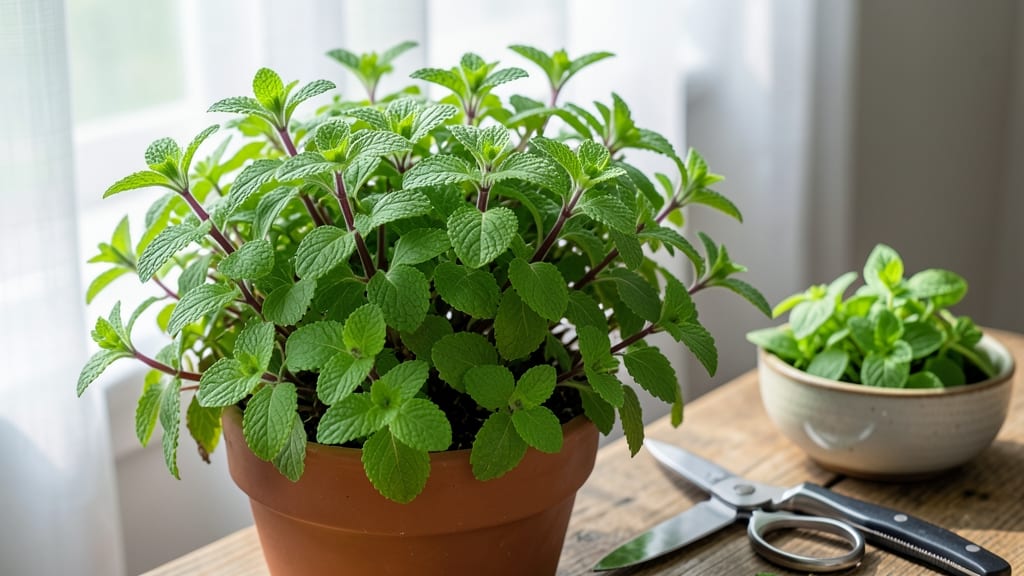
To harvest mint without killing the plant, focus on cutting stems just above a leaf node—this simple technique keeps your 🌿 thriving and ready for months of use.
Harvesting mint can seem risky—one wrong move and you might destroy your plant—but the right technique ensures a thriving harvest for months. Many gardeners avoid trimming for fear of stunting growth, but strategic snipping actually encourages bushier, more flavorful regrowth.
Timing matters most: aim to harvest in the morning after dew has dried but before the heat of the day. Use clean, sharp scissors or pruners to make precise cuts, and never take more than one-third of the plant at once.
This balance preserves the plant’s energy while giving you fresh leaves for teas, cooking, or garnishes.
Below, I’ll walk you through the exact stem-snip method, seasonal harvesting schedules, and how to spot over-harvesting before it’s too late. By the end, your mint will be lush, productive, and ready for your next recipe.

The perfect stem-snip technique for mint harvesting
Harvesting mint feels like a balancing act—take too much, and your plant might struggle to recover. But with the right stem-snip technique, you can encourage bushier regrowth while keeping your mint thriving for months. The key? Cutting stems strategically to stimulate new growth rather than stripping the plant bare.
Mint plants are surprisingly resilient, but they need proper care to bounce back after harvesting. By focusing on healthy stems and avoiding over-cutting, you'll maintain a lush, productive plant. I’ve learned that timing and technique matter just as much as how much you harvest.
Start by identifying mature stems—look for ones that are at least 6 inches tall with 4-6 sets of leaves. These stems are ready for harvesting and will regrow more quickly than younger ones. Avoid cutting stems that are too soft or woody, as these won’t recover well.
After harvesting, your mint should show new growth within 2-3 weeks. If you notice slow regrowth, check for overcrowded roots or poor soil drainage. Mint plants love well-draining soil and benefit from occasional division every 2-3 years to prevent root-bound stress.
One of my biggest mistakes was harvesting mint too aggressively in late summer. The plant struggled to recover before cooler weather set in. Now, I focus on spring and early summer harvests when growth is most vigorous. This ensures my mint stays healthy and productive all season.
Pro tip: If your mint starts to look leggy or sparse, it’s a sign to prune more aggressively. Cutting back 1/2 of the plant in early spring can encourage a fuller, bushier shape. Just avoid heavy pruning in fall, as the plant needs time to harden off before winter.
With this stem-snip technique, you’ll enjoy a steady supply of fresh mint while keeping your plant happy and thriving. Happy harvesting! 🌿✂️
When and how often to harvest mint for maximum regrowth
Timing your mint harvests by season and plant maturity determines whether your plant thrives or struggles. Mint grows fastest during spring and summer, so these are prime harvest windows. In fall and winter, reduce harvesting to let the plant conserve energy for next year’s growth.
Young mint plants (under 6 months) need gentle handling—harvest only 1-2 stems at a time to avoid stress. Mature plants (6+ months) can handle more frequent harvesting, but never take over one-third of the foliage in a single session.
This balance ensures regrowth while keeping your plant healthy.
Regular pruning isn’t just about harvesting—it’s about controlling size and boosting flavor. When you trim back leggy stems, you encourage the plant to produce denser, bushier growth and more aromatic leaves. I recommend pruning every 4-6 weeks during peak growing seasons to maintain this ideal shape.
Comparison Table: Ideal vs. Destructive Harvesting Methods
| Method | Cutting Technique | Frequency | Regrowth Impact |
|---|---|---|---|
| Ideal: Stem-Snip | Cut just above a leaf node with clean scissors | Every 4-6 weeks (spring/summer) | Bushier growth, stronger flavor |
| Destructive: Over-Harvesting | Cutting more than 1/3 of plant at once | Monthly or more | Stunted growth, weak stems |
| Ideal: Pruning for Shape | Trim leggy stems to encourage branching | Every 6-8 weeks | Denser foliage, better yield |
| Destructive: Root Damage | Pulling or digging near roots | Any frequency | Root stress, plant death |
Seasonal adjustments are key to mint’s health. During spring, focus on encouraging growth—harvest lightly to let the plant establish. In summer, when mint grows aggressively, you can harvest every 3-4 weeks to keep it manageable. By late summer, reduce harvesting to prevent bolting (flowering), which weakens flavor.
If your mint starts looking leggy or sparse, it’s time for a hard prune. Cut back one-third of the tallest stems to the base, and your plant will respond with fresh, vibrant growth within 2-3 weeks.
This technique works wonders for reviving overgrown mint and restoring its bushy form.
By following these seasonal guidelines and pruning techniques, your mint will stay lush, productive, and flavorful for years—no more worried harvesting! 🌿