
Flowers
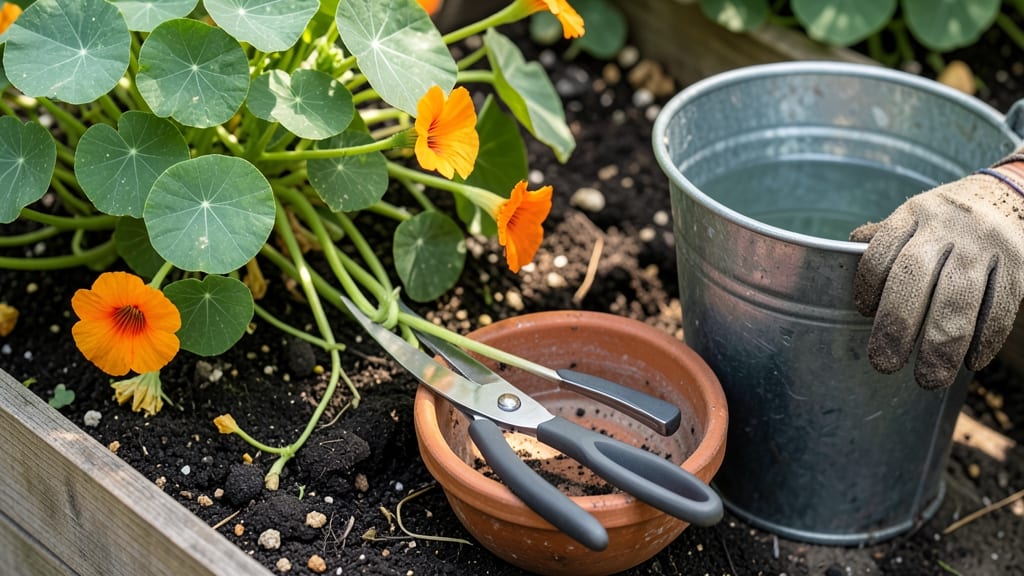
To harvest nasturtium flowers at their peak—when they’re vibrant, peppery, and perfect for salads or garnishes—you’ll need to time it just right.
Picture this: you’re about to snip a bright orange bloom 🌸, only to realize it’s already wilted by lunchtime. Nasturtiums are delicate, and harvesting them wrong means losing flavor or even damaging your plant.
But get it right, and you’ll have a steady supply of edible blooms and seed pods for cooking, crafts, or even propagation.
Most gardeners miss the best window because they don’t know when flowers are truly ready—fully open but not past their prime. I’ve learned the hard way: harvest too early, and the flavor is mild; wait too long, and they turn bitter or fall apart.
The trick is checking them in the morning, when petals are crisp and colors pop, and using the right technique to avoid breaking stems.
In this guide, I’ll walk you through the exact steps to harvest nasturtium flowers for maximum flavor, how to preserve them for culinary use, and even when to let seed pods mature for next year’s garden. No more wasted blooms—just a bountiful, flavorful harvest.

When to harvest nasturtium flowers for peak flavor and edibility
Harvesting nasturtium flowers at the right moment transforms them from ornamental blooms into flavorful edibles. The key is catching them when their peppery flavor is most intense—typically when fully open but before they wilt or develop brown edges.
This window usually appears 60-90 days after planting, depending on your USDA zone and growing conditions.
For seed pods, timing is equally critical. You want them ripe but still firm, just before they split open naturally. Harvesting too early means bland flavor, while waiting too long results in bitter seeds or lost harvests.
In zones 6a-8b, this typically occurs between late July and September, aligning with the plant’s natural seed maturation cycle.
| Harvest Type | Ideal Harvest Window | Visual Cues | Flavor Intensity |
|---|---|---|---|
| Flowers | Fully open petals, morning hours | Bright color, firm texture, no wilting | Peak (3-5 days post-opening) |
| Seed Pods | Ripe but unopened, late summer | Firm pods, slight bulging, no cracks | High (when pods turn pale yellow) |
| Late Harvest Flowers | After wilting begins | Brown edges, soft stems | Low (bitter, dull flavor) |
To test for edibility and flavor, pick a small sample and taste it raw. The best nasturtium flowers should deliver a crisp, slightly spicy kick—similar to watercress or radish.
If the flavor is mild or absent, the flowers are underripe. Overripe flowers (with brown edges) often taste bitter or bland, making them less suitable for culinary use.
Monitor your plants daily during peak bloom (June-September in most climates) to catch the harvest window. In cooler zones (6a-7a), blooms may appear earlier, while warmer zones (8b-10a) can extend the harvest into late fall.
Always harvest in the morning after dew dries to preserve moisture and flavor, and avoid harvesting after rain to prevent mold.
Seasonal variations also affect timing. In northern climates, nasturtiums may bolt (go to seed) faster due to shorter days, so prioritize harvesting flowers first. In southern regions, the plant may produce continuous blooms, allowing for staggered harvests throughout the season.
Adjust your schedule by observing 3-5 new flowers per stem as a cue to harvest.
For seed pod harvests, focus on pods that have swollen but haven’t yet split open. Gently squeeze a pod—if it feels firm and doesn’t release seeds, it’s ready. Harvest these in late summer (August-September) before birds or wind scatter them.
Store harvested pods in a paper bag in a cool, dry place to dry completely before shelling seeds for next year’s garden.
Pro tip: Leave 1-2 flowers per stem after harvesting to encourage continuous blooming. This practice ensures your nasturtiums keep producing edible flowers and seed pods throughout the growing season. Over-harvesting weakens the plant, reducing both yield and flavor intensity in subsequent harvests.
If you’re unsure whether a flower is ready, use the "twist test": Gently twist the stem near the base. If it snaps cleanly (without tearing), the flower is at peak harvest readiness. This method also helps minimize damage to the plant, promoting healthier regrowth for future harvests.
Remember, nasturtiums thrive on neglect—they’re drought-tolerant and don’t require heavy feeding. Focus instead on observing their natural cues and harvesting at the right moments. With practice, you’ll develop an eye for the perfect harvest window, ensuring every bloom and pod delivers maximum flavor and edibility.
Step-by-step harvesting techniques for flowers and seed pods
Harvesting nasturtium flowers at the right moment ensures they’re packed with flavor and ready for culinary use. The key is picking them when petals are fully open but still firm to the touch—usually in the morning when dew is present.
This timing preserves their vibrant colors and peppery taste, making them perfect for salads or garnishes. Overharvesting can stress your plants, so aim to pick only what you’ll use immediately or preserve.
For seed pods, wait until they’re plump and slightly papery but haven’t split open yet. These pods are great for propagation or adding a crunchy texture to dishes. If you miss the window, they’ll burst open and scatter seeds everywhere, reducing your control over where new plants grow.
Always harvest with clean, sharp tools to avoid damaging stems or spreading disease.
How to Harvest Nasturtium Flowers
- 🌞 Pick in the morning when flowers are cool and dew-covered for peak freshness and flavor.
- ✂️ Use clean pruning shears or sharp scissors to snip stems just above a leaf node.
- 🌸 Choose flowers with fully open petals and vibrant colors—avoid wilted or pale blooms.
- 🌿 Leave 2-3 leaves on the stem to encourage regrowth and more blooms.
- 🌼 For seed pods, harvest when they’re plump and papery but haven’t split open.
If you’re harvesting for culinary use, rinse flowers gently under cool water to remove dirt or pests, then pat dry with a paper towel. Never soak them, as this can dilute their flavor.
For seed pods, let them dry completely in a well-ventilated area before storing in a paper bag to prevent mold. Always label your harvests to track when they were picked and their intended use.
One common mistake is twisting stems instead of cutting—this can damage the plant and lead to broken stems or fungal infections. If you accidentally break a stem, remove it immediately to prevent disease spread.
For stubborn stems, use a clean knife instead of your fingers to avoid bruising the plant. Regular harvesting encourages more blooms, so don’t skip this step if you want a continuous supply.
To preserve your harvest, you can dry flowers by hanging them upside down in a dark, dry place for 1-2 weeks. Seed pods can be stored in an airtight container for up to 6 months.
If you’re saving seeds for next year, let pods dry completely on the plant before harvesting. This ensures viability and gives you a head start on next season’s garden.
Remember, nasturtiums are annuals, so harvesting flowers and seed pods efficiently maximizes your yield before the first frost. With these techniques, you’ll enjoy a bountiful harvest of edible blooms and seeds without damaging your plants. Happy harvesting! 🌻