
How To
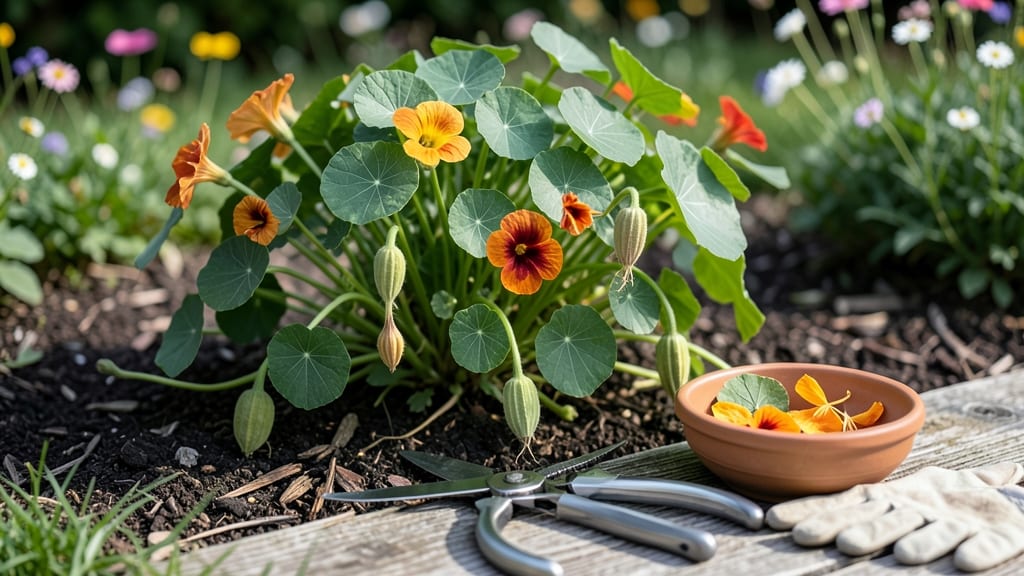
To harvest nasturtium 🌸 at the perfect time means snagging the boldest flavors and keeping your plants thriving—no guesswork required.
Picture this: you’ve spent all spring nurturing your nasturtiums, and now those bright orange blooms and peppery leaves are begging to be used. But harvest too early, and you’ll miss peak flavor. Too late, and you’ll stunt future growth. The trick? Timing is everything—and it’s easier than you think.
Whether you’re after tender leaves for salads, vibrant flowers for garnishes, or seeds for next year’s garden, this guide breaks down the exact when and how to harvest without damaging your plants.
You’ll learn which parts to pick, how to encourage regrowth, and even how to store your harvest for later.
By the end, you’ll know exactly when to reach for those shears—so your nasturtiums keep producing all season long, flavor-packed and ready to go.

When and how to harvest nasturtium leaves for maximum flavor
Nasturtium leaves pack a bold, peppery kick that brightens salads and garnishes, but timing your harvest makes all the difference. Young leaves are most flavorful and tender, while older ones can turn bitter.
The key? Harvest early and often to encourage continuous regrowth—and keep your plants producing lush foliage all season.
Start harvesting nasturtium leaves 4-6 weeks after planting, once the plants have 4-6 true leaves. This ensures they’ve established roots but haven’t matured into tough, fibrous growth. Avoid harvesting from seedlings or stressed plants, as this can stunt their development and reduce future yields.
How to Harvest Nasturtium Leaves for Maximum Flavor
- 🌱 Pick young leaves first: Focus on the smallest, brightest leaves near the tips of stems. These are most tender and flavorful.
- ✂️ Use clean scissors or fingers: Snip leaves just above a leaf node (the bump where leaves attach) to encourage new growth.
- 🌿 Harvest in the morning: Leaves are most hydrated and flavorful after a night’s rest. Avoid harvesting after rain or late in the day.
- 🌞 Space out harvests: Never take more than 1/3 of the leaves from a single plant at once. This prevents stress and ensures continuous regrowth.
- 💧 Water well after harvesting: Give plants a deep drink to help them recover and promote new leaf growth.
Young nasturtium leaves are most flavorful because they contain higher levels of glucosinolates, the compounds that give them their signature peppery taste. As leaves mature, these compounds break down, making older leaves less peppery and more bitter.
For the best flavor, prioritize leaves that are bright green, soft, and no larger than 2 inches.
To encourage regrowth and bushier plants, pinch back the main stems just above a leaf node after harvesting. This redirects the plant’s energy toward producing new side shoots and leaves. Avoid over-pruning, though—never remove more than 20% of the plant’s foliage at once, or you’ll risk weakening it.
If you’re growing nasturtiums for both leaves and flowers, focus on harvesting leaves early in the season (spring to early summer) and shift to flower harvesting as the plant matures.
Flowers are edible and stunning in salads, but they require the plant to divert energy away from leaf production. Balance your harvests to maximize both yields.
Store harvested nasturtium leaves in the fridge for up to 5 days in a sealed container with a paper towel to absorb moisture. For longer storage, blanch leaves in boiling water for 30 seconds, then freeze them in an airtight container.
This preserves their color and peppery flavor for up to 3 months.
One common mistake is over-harvesting nasturtiums, which can lead to stunted growth or even plant death. If you notice leaves yellowing or stems becoming woody, you’ve likely taken too much. Adjust your harvesting frequency to every 7-10 days and focus on selective leaf picking rather than stripping entire stems.
For continuous harvests all season, plant nasturtiums in succession every 2-3 weeks. This ensures you always have fresh, tender leaves available while older plants recover. Pair this with regular deadheading (removing spent flowers) to encourage more leaf production.
🌿
Step-by-step guide to harvesting nasturtium flowers for culinary Use
Nasturtium flowers are a culinary gem—bright, peppery, and packed with vitamin C. But harvesting them at the wrong stage can turn your edible blooms into bitter disappointment.
The key? Timing and technique. Whether you’re growing Alaska (white), Empress of India (deep red), or Jewel Mix (multi-colored), these steps ensure your flowers stay vibrant and flavorful.
All parts of the nasturtium are edible—petals, buds, and even seed pods—but flowers harvested at the right moment deliver the best taste. Start by choosing fully open blooms with no signs of wilting or seed pod formation.
This ensures maximum flavor and prevents the plant from diverting energy to seed production, which can reduce future blooms.
How to Harvest Nasturtium Flowers
-
Step 1: Choose the Right Variety
Opt for culinary-focused varieties like Alaska, Empress of India, or Dwarf Jewel Mix. Avoid trailing varieties if you’re harvesting flowers, as they prioritize vine growth over blooms. -
Step 2: Pick at Peak Freshness
Harvest flowers early morning when dew is present. Choose fully open blooms with no wilting or seed pods forming. Look for vibrant colors—deep reds, oranges, or yellows indicate ripeness. -
Step 3: Use the Right Tools
Use clean, sharp scissors or pruners to avoid damaging stems. Cut just above a leaf node to encourage new growth. If you prefer, you can also pinch flowers by hand—just grip the stem firmly and pull. -
Step 4: Harvest Buds Too!
Tight buds are also edible and have a milder flavor. Harvest them 1-2 days before they fully open for the best texture. This also encourages more blooms to form. -
Step 5: Store Properly for Freshness
Store harvested flowers in a sealed container with a damp paper towel in the fridge for up to 3-5 days. For longer storage, dry petals on a mesh screen in a cool, dark place for 1-2 weeks. -
Step 6: Use Creatively in the Kitchen
Garnish salads, soups, or cocktails with petals. Stuff buds into deviled eggs or blend flowers into pestos. Even the seed pods (when fully ripe) can be pickled like capers!
Pro tip: Never harvest more than 1/3 of the flowers from a single plant at once. This ensures your nasturtium keeps producing abundant blooms all season long. If you notice fewer flowers after harvesting, your plant may need more sunlight or water.
Harvesting nasturtium flowers is a rewarding process—not just for the stunning garnishes you’ll create, but for the peppery kick they add to dishes. With these steps, you’ll enjoy flavorful, homegrown blooms from early summer until the first frost. 🌺
Remember, the younger the flower, the milder the taste. So if you’re new to cooking with nasturtiums, start with buds and semi-open blooms before experimenting with fully mature flowers. Happy harvesting! ✂️