
How To
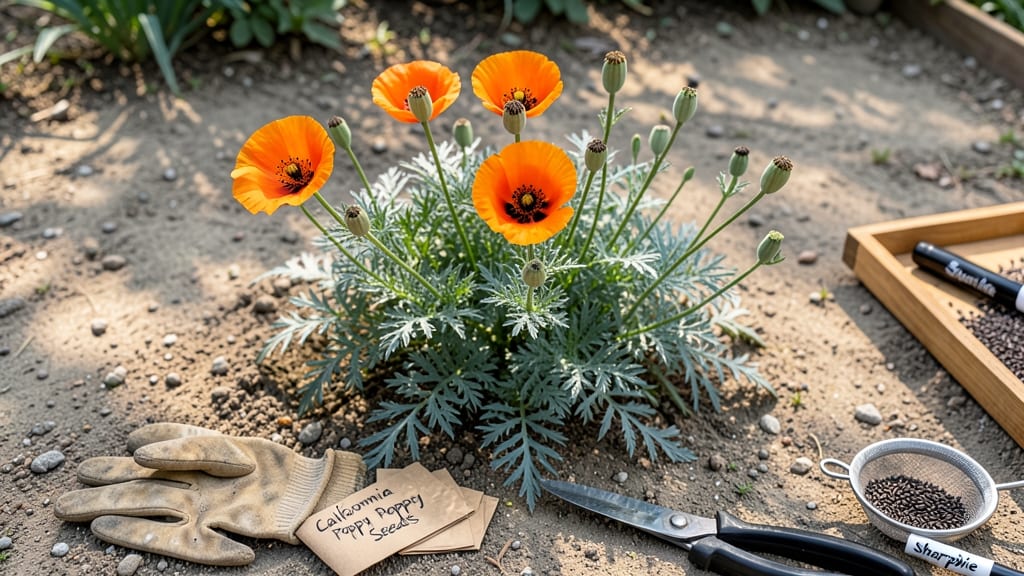
Harvesting poppy seeds for planting is all about timing—wait until those papery pods turn brown and crack open naturally, or you risk losing your seeds to birds or rain.
Picture this: your 🌸 poppies are in full bloom, their delicate petals falling away to reveal seed pods that look like tiny lanterns. But here’s the catch—harvest too early, and the seeds won’t be viable.
Too late, and the pods split open on their own, scattering seeds everywhere. The sweet spot is when they’re dry, brown, and just starting to split.
In USDA Zone 6a, that usually means late spring to early summer, right after the flowers fade. If you miss the window, don’t panic—just protect the pods with mesh bags until they’re ready.
Below, I’ll walk you through the exact steps to collect, dry, and store your seeds so they’re ready for next year’s garden.
You’ll learn which tools to use, how to test seed viability, and the one common mistake that kills germination before it even starts. Let’s make sure your poppy seeds don’t go to waste!

When and how to identify poppy pods ready for seed harvesting
Harvesting poppy seeds at the right time is like catching a fleeting moment—miss it, and your seeds vanish into the wind or get snatched by birds. The key lies in watching for three critical visual cues: color change, pod dryness, and natural cracking patterns.
These signs tell you the seeds inside are mature and ready for collection.
First, focus on the pod color. Mature poppy seed pods transition from bright green to a deep, papery brown. This color shift signals the seeds inside have fully developed and are no longer growing.
If you see pods still holding any green, they’re not ready yet—wait a few more days.
Next, check for pod dryness. Gently squeeze a pod between your fingers—if it feels crisp and hollow (like dry paper), it’s ready. If it’s still firm or slightly pliable, the seeds aren’t fully mature.
Dry pods also develop a slightly wrinkled texture, which helps them crack open naturally when fully ripe.
Here’s where it gets exciting: watch for the pods to crack open along their seams. This happens when the seeds inside are pushing against the pod walls. A mature pod will split open easily with a gentle touch, revealing tiny black seeds inside.
If you shake it, you should hear seeds rattling—this is your green light!
Timing is everything with poppies—harvest too early, and the seeds won’t germinate. Harvest too late, and the pods may shatter, scattering seeds everywhere. The best time to harvest is on a dry, sunny morning when dew has evaporated. This reduces humidity and prevents mold from forming on your seeds.
Pro tip: If you’re unsure whether a pod is ready, perform the "shake test". Hold the pod over a piece of paper and give it a gentle shake.
If seeds rain down, they’re mature. If nothing falls out, wait another day or two. This simple test saves you from harvesting premature seeds.
Another clue to watch for is the stem’s behavior. After flowering, the stem will begin to wither and dry out. This signals the plant is redirecting energy to seed maturation. Pair this with brown pods, and you’ve got a foolproof combination for knowing when to harvest.
For gardeners in USDA Zone 6a or warmer, aim to harvest poppy seeds between late May and early July. In cooler zones, extend your harvest window into early August. Always check your local frost dates—poppies won’t survive frost, so act quickly once pods mature.
One common mistake is waiting until pods are completely dry and brittle. While this might seem ideal, overripe pods often shatter before you can collect seeds. Instead, harvest when pods are dry but still slightly pliable. This balance ensures you capture the most seeds with minimal loss.
Remember, poppy seeds are a magnet for birds, squirrels, and other wildlife. Once pods crack open naturally, they’ll disappear in seconds. So, keep a close eye on your plants and harvest as soon as you spot the first signs of maturity. Your future poppy garden depends on it!
Step-by-step guide to harvesting poppy seeds without losing them to birds
Once your poppy pods turn brown and dry, the race against time begins. Birds and wind can scatter seeds in seconds, leaving you with nothing to plant next year. The key is to act quickly but carefully—protect the pods while ensuring the seeds inside are fully mature.
I’ve harvested poppy seeds for years, and I’ve learned that mesh bags and patience are your best tools.
Start by gathering a few simple supplies: breathable mesh bags (or paper bags), scissors or pruners, and a dry, shaded workspace. Avoid plastic bags—they trap moisture and can ruin your seeds.
The goal is to collect pods at the right moment, when they’re dry but haven’t yet split open. Here’s how to do it without losing a single seed to feathered thieves.
-
Step 1: Wait for the Perfect Pod
Harvest when pods are fully brown and dry to the touch. Shake a pod—if seeds rattle inside, it’s ready. If not, wait 1-2 more days. -
Step 2: Protect Pods from Birds
Place mesh bags over pods or cut stems and hang them upside down in a dry, dark place. Birds can’t reach seeds this way, and pods can finish drying naturally. -
Step 3: Harvest Seeds Gently
Once pods are completely dry and brittle, open them by hand or squeeze lightly. Seeds should spill out easily. Avoid shaking pods—this scatters seeds prematurely. -
Step 4: Clean and Dry Seeds
Spread seeds on a paper towel in a cool, dry spot (like a sunny windowsill) for 3-5 days. Stir occasionally to prevent mold. Discard any chaff or debris. -
Step 5: Store Seeds Properly
Transfer clean seeds to a paper envelope or airtight container. Label with the harvest date and store in a cool, dark place (like a seed fridge or pantry).
Timing is everything—harvest too early, and seeds won’t germinate. Too late, and they’ll scatter before you can collect them. I’ve seen golden poppy seeds turn to dust in my hands when I waited too long.
If pods start splitting on their own, act immediately—birds will swoop in faster than you can say “seed snack.”
Pro tip: If you’re harvesting in humid weather, speed up the drying process by placing pods in a paper bag with silica gel packets. This absorbs moisture and prevents mold.
Just don’t seal the bag—seeds need airflow to dry properly. Once fully dry, you’ll have viable seeds ready for next spring’s garden.
Remember, poppy seeds are lightweight and delicate. Handle them with care, and you’ll avoid the heartbreak of watching them blow away or get snatched by birds. With this method, you’ll have a bountiful stash of seeds to plant in your garden next year—no wasted effort, just pure poppy magic.