
How To
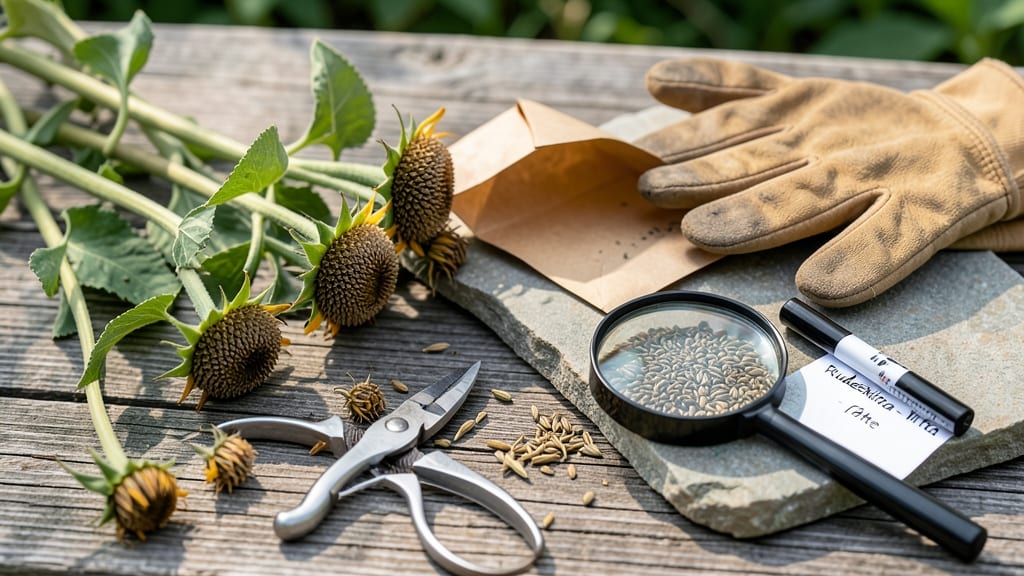
Harvesting rudbeckia seeds is easier than you think—just leave the dried heads on stems until they’re ready to release their treasure.
Those cheerful 🌼 blooms aren’t just pretty; they’re packed with seeds that can grow into next year’s garden for free. But if you harvest too soon or too late, you’ll end up with nothing but empty heads. The secret? Knowing exactly when—and how—to collect them without losing a single seed.
Most gardeners miss the best time because they focus on the flowers instead of the seed heads. By late September or October, when the blooms fade and the centers turn brown and papery, that’s your cue. A gentle shake should make the seeds rattle—if they don’t, wait another week.
In this guide, I’ll walk you through the easiest way to dry the heads on stems, strip the seeds clean, and store them so they stay viable for planting. No fancy tools or guesswork—just a few simple steps to turn this year’s rudbeckia into next year’s garden stars.

When and how to identify rudbeckia seeds ready for harvesting
Harvesting rudbeckia seeds at the right moment ensures high germination rates and healthy plants next season. The key lies in watching for visual maturity cues and ideal weather conditions that signal peak readiness.
Miss this window, and you risk collecting seeds that won’t sprout—or worse, attract pests before they’re properly dried.
Start by focusing on the seed head color and texture. When rudbeckia blooms fade, the central cones transform from green to a rich brown-purple hue. This color shift indicates the seeds inside are drying out naturally.
A papery texture on the seed head is another telltale sign—it should feel brittle enough to crumble slightly when gently squeezed.
Timing is equally critical. In most USDA zones 6-10, aim to harvest between late September and October, after the first frost has passed but before winter rains set in. The ideal weather for harvesting is dry and sunny with temperatures between 60°F and 75°F.
Humidity above 60% can cause seeds to mold, so avoid harvesting after morning dew or during rainy spells.
Here’s how to spot perfectly ripe rudbeckia seeds in your garden:
| Cue | Description | Action |
|---|---|---|
| Color Shift | Seed heads turn dull brown-purple (not green or yellow) | Check daily after blooms fade |
| Texture Test | Heads feel dry and papery; petals mostly fallen | Gently squeeze—should crumble slightly |
| Sound Check | Shake head—seeds rattle loudly inside | Harvest within 2-3 days of rattling |
| Weather Window | Dry, sunny days (humidity <60%) | Avoid harvesting after rain or dew |
| Seed Release | Seeds easily detach when touched | Collect immediately to prevent scattering |
One of the easiest ways to confirm readiness is the "shake test". Hold a mature seed head over a brown paper bag and give it a firm shake. If seeds rain down easily, they’re ready to harvest.
If they cling to the head or only a few fall out, wait 1-2 more days. Pro tip: Harvest on a dry morning after dew has evaporated to prevent moisture from sticking to seeds.
Pay attention to the seed head’s structure too. At peak ripeness, the central cone will split open slightly, revealing the dark brown seeds inside. These seeds should look plump and uniform in size.
If you spot any shriveled or discolored seeds, those heads may have been exposed to too much moisture or pests—discard them to avoid poor germination.
For gardeners in cooler climates (zones 3-5), extend your harvest window by cutting entire flower stems and hanging them upside down in a dry, dark place (like a garage).
This mimics natural drying conditions and protects seeds from early frost. Check them weekly until fully dry—usually 2-3 weeks—before removing seeds.
Never harvest seeds from wilted or diseased plants, as this can spread pathogens to next year’s crop. Look for healthy, vibrant stems with no signs of yellowing leaves or black spots.
Even a single affected seed can compromise your entire harvest, so prioritize clean, robust plants for seed collection.
Once you’ve identified the perfect seed heads, act quickly! Rudbeckia seeds can scatter within 24 hours of full ripeness, especially in windy conditions.
Use a clean, sharp pair of pruning shears to cut stems 3-4 inches below the seed head, then lay them on a tarp or newspaper in a well-ventilated area for final drying.
With these cues in mind, you’ll never miss the optimal harvest window again—turning your rudbeckia’s late-season blooms into a low-cost, high-reward gardening asset for years to come. 🌼
Step-by-step method for collecting rudbeckia seeds without losing them
Once you’ve identified mature rudbeckia seed heads, the next challenge is collecting them without losing the tiny seeds to wind or moisture. The key is patience and proper technique—letting the heads dry fully on the stem ensures seeds release cleanly when handled.
I’ve perfected this method over years of seed saving, and it guarantees high germination rates for next season’s garden.
Start by leaving the dried seed heads attached to the plant until they’re completely brown and papery. This usually takes 2-3 weeks after the petals fall off. The seeds inside will rattle when shaken—a sure sign they’re ready.
Avoid cutting stems too early, as green or damp heads will mold or scatter seeds before you can collect them.
- 1 Wait for full maturity: Leave seed heads on stems until they’re completely brown and dry, with seeds rattling inside (usually late September-October in most climates).
- 2 Cut stems carefully: Snip the entire seed head (not just individual flowers) with clean pruning shears. Place stems in a paper bag immediately to prevent seed loss.
- 3 Dry indoors: Hang the bagged stems in a dry, well-ventilated area (like a garage or shed) for 1-2 weeks. This ensures any lingering moisture evaporates before seed stripping.
- 4 Strip seeds gently: Once fully dry, break apart the seed head and rub it between your fingers over a white tray or paper. The seeds will fall out while chaff blows away.
- 5 Clean and store: Sift the seeds through a fine mesh sieve to remove debris, then store them in a paper envelope or airtight container with a silica gel packet to absorb moisture.
Pro tip: Label your seed packets with the harvest year and rudbeckia variety (e.g., ‘Rudbeckia ‘Goldsturm’ 2024’). I’ve learned the hard way that unmarked seeds can get mixed up—especially if you’re saving multiple varieties!
Store seeds in a cool, dark place (like a seed fridge or basement) where they’ll stay viable for 2-3 years.
If you’re short on time, you can also shake seeds directly onto paper while the heads are still on the plant—but this method risks losing seeds to wind. For the most reliable results, though, follow the drying-and-stripping process above. Your future garden (and wallet!) will thank you.
Remember, the drier the seeds, the better they’ll store. If humidity is high where you live, consider using a dehumidifier near your storage area to extend seed viability. Happy harvesting!