
How To
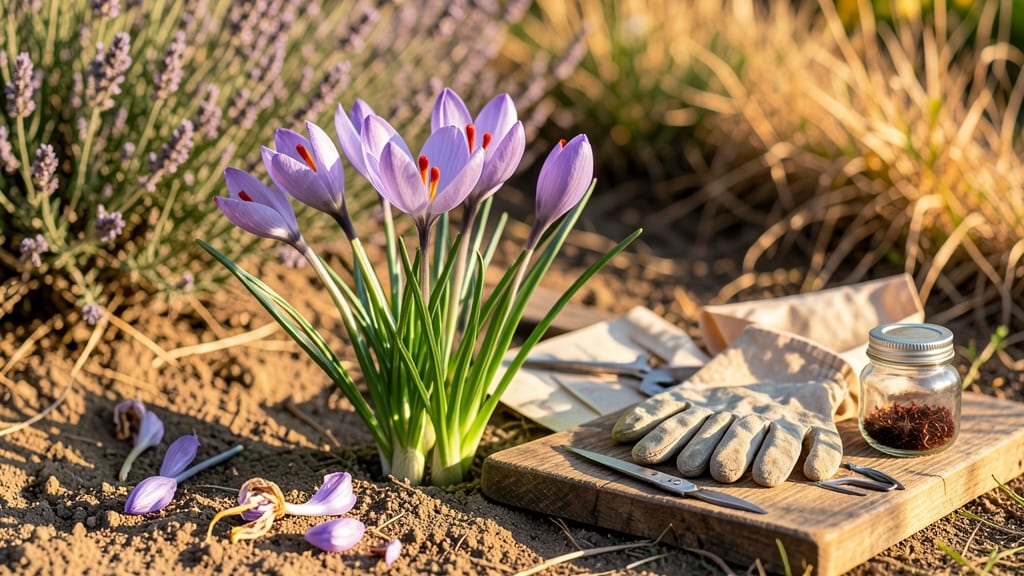
Harvesting saffron threads from the Saffron Crocus 🌼 at the right moment transforms a delicate flower into the world’s most prized spice—but timing and technique make all the difference.
Picture this: you’ve waited months for those vibrant purple blooms to appear, only to realize that plucking too early or too late ruins the flavor and color. One wrong move, and your threads turn bitter or pale, leaving you with a spice that’s barely recognizable.
The secret? Knowing when the threads are ready, how to extract them without damage, and how to dry them for maximum potency.
This guide walks you through the exact stages of harvesting—from identifying the perfect bloom to handling the threads like a pro.
Whether you’re growing saffron in your garden or just curious about the process, you’ll learn how to turn those tiny red threads into a spice worth its weight in gold.
By the end, you’ll know not just how to harvest, but how to preserve saffron for up to two years, ensuring every pinch delivers that unmistakable aroma and taste. Ready to unlock the full potential of your Saffron Crocus 🌼?

When to harvest saffron crocus for optimal thread quality
Timing is everything when harvesting saffron crocus—pluck the stigmas too early, and they’ll lack flavor; wait too long, and they’ll turn bitter. The ideal harvest window is just 3-4 days after flowers bloom, when the deep red stigmas are fully elongated but still supple.
I’ve learned the hard way that rushing or delaying this process can ruin your entire yield, so let’s break down the critical cues to nail perfect timing every season.
First, focus on the flower’s bloom stage. Saffron crocus flowers open between 8 AM and 10 AM on clear, cool mornings—this is your prime harvest window. The petals should be fully unfurled with a vibrant purple hue, and the stigmas should extend 1-1.5 inches from the center.
If you see flowers still budding or opening after noon, they’re not ready yet. Moon phases also play a subtle role; harvesting during a waning moon (7 days after full moon) aligns with the plant’s natural energy flow for optimal thread quality.
Temperature matters just as much as timing. Saffron thrives in cool autumn temperatures between 50°F and 70°F. If daytime temps exceed 75°F, the flowers may open too quickly, causing the stigmas to dry prematurely and lose potency.
I always check the weather forecast before harvesting—if a heatwave is coming, I’ll harvest a day early to avoid compromised quality. The humidity level should also be low (40-50%) to prevent mold during drying.
Now, let’s talk about identifying overripe vs. underripe stigmas. Underripe threads appear pale yellow or orange and feel short and rubbery. They’ll snap easily when pulled and lack the deep red hue that signals peak flavor.
Overripe stigmas, on the other hand, turn dark brown or black, become brittle, and may crumble at the touch. These threads will taste harsh and bitter, ruining any dish they’re used in.
The key is to harvest when the stigmas are bright red, flexible, and 1-1.5 inches long—this is your sweet spot for restaurant-quality saffron.
| Harvest Cue | Ideal Condition | What to Avoid |
|---|---|---|
| Flower Bloom Time | 8 AM - 10 AM (fully open purple petals) | Flowers opening before dawn or after noon |
| Stigma Color | Deep red, bright and vibrant | Pale yellow/orange (underripe) or dark brown/black (overripe) |
| Stigma Length | 1-1.5 inches (fully elongated) | Short (<1 inch) or brittle (>1.5 inches) |
| Temperature | 50°F - 70°F (cool mornings) | Above 75°F (premature drying) |
| Moon Phase | Waning moon (7 days post-full) | Full moon or waxing moon (reduced quality) |
| Humidity | 40-50% (dry conditions) | Above 60% (mold risk during drying) |
Don’t overlook the flower’s anatomy when harvesting. Each saffron flower contains three stigmas, but only the deep red, thread-like parts are the prized saffron. The yellow base (style) and white bulb (ovary) are inedible.
I always use a pair of sharp tweezers to gently grasp the stigma’s base and pull it straight out—never twist or yank, as this damages the flower and reduces next year’s yield.
Pro tip: Harvest on a dry, cloudless morning to ensure the stigmas are fully hydrated and easier to remove without breaking.
If you’re harvesting in bulk, prioritize flowers that open first—these are typically the most mature. I mark my harvest zones in my garden with small flags to avoid missing spots. For container-grown saffron, gently tip the pot to expose flowers on the edges.
Remember, each flower only produces 3-5 threads, so efficiency matters. A single saffron crocus plant yields about 0.004 ounces (1 gram) of saffron—that’s why timing and technique are non-negotiable for serious growers.
One common mistake I’ve seen (even among experienced gardeners) is harvesting too many flowers at once. Over-harvesting stresses the plant and can reduce next season’s corm production. I limit myself to 20-30% of the flowers in a single harvest cycle.
Also, avoid harvesting on windy days, as the delicate stigmas can tear or scatter. If rain is forecast within 24 hours, harvest early to prevent water damage during drying. Always work in short bursts—saffron stigmas lose flavor within 30 minutes of picking, so speed is critical.
Finally, let’s address a myth I hear often: “Harvest saffron at night for better flavor.” This is false. Saffron’s flavor compounds develop during photosynthesis, which peaks in morning sunlight. Night-harvested stigmas are less potent
Step-by-step guide: how to pluck saffron threads without damaging flowers
A Saffron Crocus 🌼 flower may look delicate, but its three-part anatomy holds the secret to harvesting high-quality threads. The stigma (saffron thread), style (white base), and stamen (male reproductive part) must be handled with precision.
One wrong move—like pulling too hard or using dirty tools—can break the threads or introduce contaminants, ruining your yield. The key? Patience and the right technique to extract those bright red stigmas without damaging the flower’s structure.
Before you begin, gather your tools: sterilized tweezers, small paper bags, and latex gloves (to avoid oils from your skin). Work in the early morning when flowers are fully open but still fresh.
The stigmas should be deep red and 1-1.5 inches long—any shorter or paler means they’re not ready. Now, let’s dive into the step-by-step process to ensure you harvest threads that are aromatic, vibrant, and potent.
- Step 1
- Step 2
- Step 3
- Step 4
Common mistakes can turn your high-value crop into a waste. Overhandling the flowers crushes the stigmas, while using dirty tools introduces bacteria that spoil the threads. Never harvest afternoon blooms—they wilt too quickly, making the stigmas tough and bitter.
Even skipping gloves can transfer oils that dull the saffron’s flavor. By following these steps, you’ll maximize your yield per flower and ensure threads that are bright, fragrant, and restaurant-quality.
The Saffron Crocus 🌼 rewards patience, and mastering this technique means you’ll harvest threads that rival commercial saffron in color and aroma. Once dried properly, these threads will be the star of your culinary creations—or even a prized addition to your garden’s harvest.
Now that you’ve plucked them perfectly, the next step is drying them under ideal conditions to lock in their potency.
Pro tip: If you’re harvesting for the first time, start small—just a few flowers—to practice your technique. The more you handle the delicate stigmas, the more confident you’ll become.
And remember, one flower yields only 3-4 threads, so treat each bloom like gold. With the right approach, your saffron harvest will be worth its weight in spice.