
How To
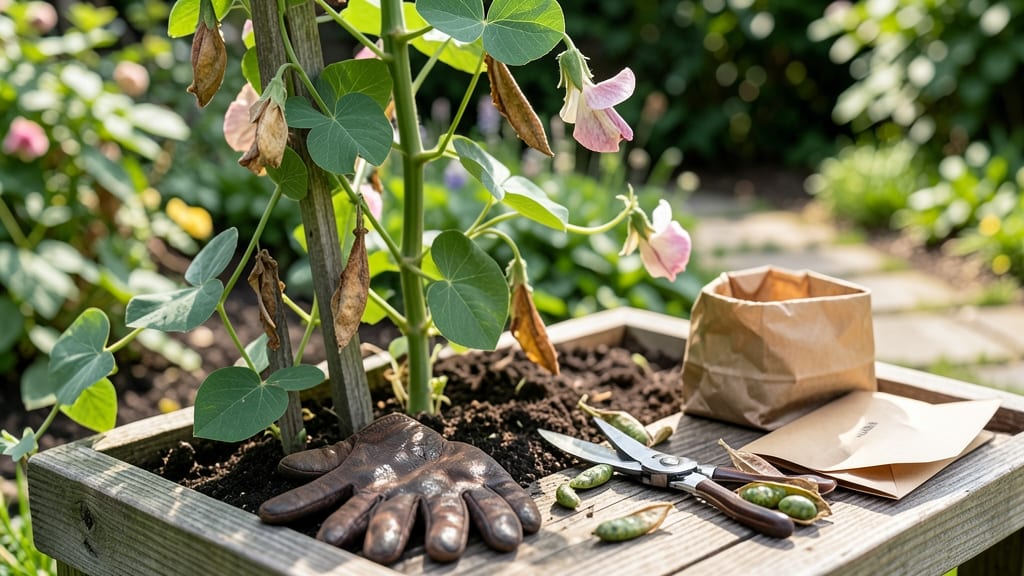
Harvesting sweet pea seeds at the right time ensures you save viable seeds for next year’s 🌸 blooms—and skipping this step means missing out on free, heirloom-quality plants.
Picture this: you’ve spent months nurturing your sweet peas, watching them climb and flower, only to let their seeds go to waste because you didn’t know when to pick them. The difference between a successful harvest and a failed one comes down to timing and technique.
Sweet pea pods turn brown and crispy when they’re ready, usually 3-4 weeks after flowering. If you wait too long, the pods split open naturally, scattering seeds everywhere—or worse, they shrivel up before you can save them.
In this guide, I’ll walk you through exactly when to harvest, how to dry and store seeds properly, and the biggest mistakes to avoid so you don’t end up with useless scraps. Ready to turn those spent flowers into next year’s garden stars?

When and how to identify mature sweet pea seed pods
Sweet pea seed pods transform from vibrant green to a rich, brown hue as they mature—this color change is your first clue that harvest time is near. Unlike the fresh green pods that hold developing seeds, mature pods feel dry and papery to the touch, signaling they’re ready for collection.
I always check for this visual and tactile cue before deciding when to harvest.
One of the most reliable signs of maturity is when the pod seams begin to split naturally. This happens as the seeds inside fully develop and the pod dries out.
If you see small cracks or openings along the seams, it’s time to act quickly—these pods won’t stay intact for long. I’ve learned that waiting too long can mean seeds scatter on the ground or lose viability.
Another key indicator is the sound test: shake a pod gently over a dark surface. If you hear seeds rattling inside, they’re likely mature. Immature pods will feel hollow or produce a dull thud.
This simple trick saves me from harvesting seeds that aren’t ready, which can lead to poor germination rates later.
🌾
| Stage | Pod Color | Texture | Seed Visibility | Action |
|---|---|---|---|---|
| Immature | Bright green | Firm, moist | Seeds not visible | Leave on plant |
| Mature | Brown, dry | Papery, crisp | Seeds visible, dark | Harvest immediately |
| Overripe | Very dark brown | Brittle, splitting | Seeds may scatter | Harvest if intact |
Timing is everything when harvesting sweet pea seeds. I aim to collect pods 3-4 weeks after flowering, when they’ve fully dried on the vine. This window ensures seeds are viable and ready for storage without losing moisture or quality.
If left too long, pods may split open naturally, releasing seeds onto the soil.
Distinguishing mature pods from overripe ones is crucial. Overripe pods often turn very dark brown and feel brittle, while mature pods remain a uniform tan or light brown.
Overripe seeds may also lose germination viability, so I always prioritize harvesting when pods are dry but still intact. This balance is key to preserving seed quality.
One trick I use is to compare pods side by side. Place a mature pod next to an immature one—you’ll notice the mature pod is lighter in weight due to its dryness.
This visual and physical comparison helps me make quick decisions in the garden, especially when dealing with large sweet pea plants.
Harvesting at the right time also depends on your local climate. In cooler regions, pods may take longer to dry, while warmer areas speed up the process. I always monitor the weather forecast and avoid harvesting before rain, as damp pods can mold or spoil.
A dry, sunny day is ideal for collecting sweet pea seeds.
If you miss the perfect harvest window, don’t worry! You can still dry pods indoors by hanging them upside down in a well-ventilated area for 1-2 weeks. This method works well for pods that are nearly mature but not quite ready.
Just ensure the space is dry and free from humidity to prevent mold growth.
🌸
Step-by-step guide to harvesting sweet pea seeds without losing them
Once your sweet peas have finished flowering, the real work begins—harvesting those seed pods at the perfect moment ensures you’ll have viable seeds for next season. The key is acting before the pods split open naturally, which can scatter seeds or leave them too dry to germinate.
I’ve learned the hard way that rushing or waiting too long ruins the whole process!
Timing is everything: harvest when pods turn fully brown and crispy, typically 3-4 weeks after flowering. This usually falls between late July and August in most climates. If you miss this window, you risk ending up with seeds that won’t sprout—or worse, none at all.
Let’s break this down into simple, foolproof steps so you never waste another harvest.
How to Harvest Sweet Pea Seeds
-
Step 1: Identify Ready Pods
Look for pods that are dry, brown, and crispy to the touch. They should also rattle when shaken, indicating fully developed seeds inside. Avoid green or moist pods—they’re not ready!
-
Step 2: Gather Tools
You’ll need sharp scissors or pruners, a paper bag or envelope for collecting pods, and a flat surface for drying. A small notebook helps track varieties if you’re saving multiple types.
-
Step 3: Harvest Carefully
Cut pods gently from the vine, leaving a short stem to avoid damaging the plant. Place them in your paper bag immediately to prevent seed loss. Work on a dry, sunny day for best results.
-
Step 4: Dry the Pods
Spread pods on a tray lined with paper towels in a warm, dry, and well-ventilated spot (like a sunny windowsill or attic). Let them dry for 1-2 weeks until completely brittle. Avoid direct sunlight to prevent overheating.
-
Step 5: Extract the Seeds
Once pods are dry, crush them gently with your fingers or a rolling pin to release seeds. Sift through the debris to separate clean, dark seeds from chaff. Discard any shriveled or discolored seeds—they won’t germinate.
-
Step 6: Store Properly
Place seeds in a paper envelope or airtight container with a silica gel packet to absorb moisture. Label with the variety name and harvest date. Store in a cool, dark place (like a fridge) for up to 3-5 years.
Pro tip: If you’re unsure whether a pod is ready, split it open—if the seeds inside are dark and plump, harvest it immediately. Overripe pods release seeds too easily, making cleanup a nightmare. I once lost an entire batch because I ignored this rule—don’t make the same mistake!
Saving sweet pea seeds is rewarding because you’re preserving heirloom varieties and reducing waste. With these steps, you’ll have a reliable seed stash for years to come. Just imagine replanting your favorite varieties without buying new seeds—pure gardener satisfaction!
🌾