
How To
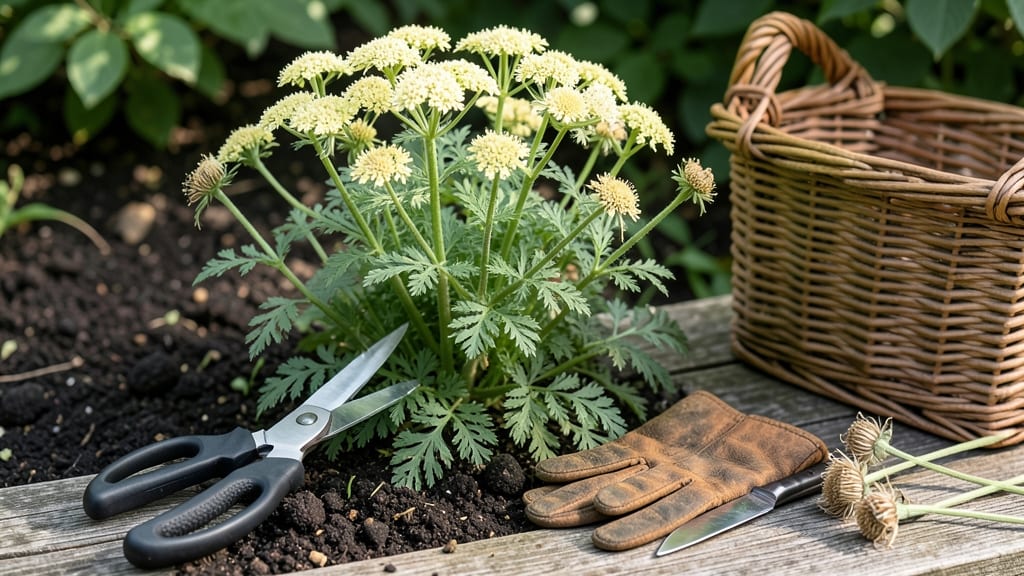
Harvesting yarrow at the right time turns its bright blooms into a garden treasure—whether for tea, remedies, or pollinator-friendly bouquets.
Picture this: you’ve nurtured your 🌼 yarrow all season, and now its flowers are fading, stems browning, and seed heads forming. That’s your cue—miss it, and you’ll either waste the plant’s peak potency or leave it struggling to rebound.
The key? Knowing when to snip and how to do it without crippling your patch.
In this guide, I’ll walk you through the exact moments to harvest—whether you’re after fresh leaves, drying flowers, or even root stocks—and the simple techniques to keep your yarrow thriving for years. No guesswork, just actionable steps for gardeners who want more harvests without the trial and error.
You’ll leave here with a clear timeline (spoiler: June through September is prime time), the right tools for the job, and tips to store your harvest so it stays fresh—whether you’re making yarrow-infused oil or sharing bouquets with neighbors. Let’s get started.

When to harvest yarrow for flowers, leaves, and medicinal properties
Yarrow (Achillea millefolium) is a versatile herb with floral beauty and medicinal benefits, but timing your harvest makes all the difference. Flowers should be collected at peak bloom for drying, while leaves reach their maximum potency before flowering begins.
Roots, often overlooked, are best harvested in autumn for herbal remedies. Missing these windows means weaker potency or wasted resources.
Understanding the seasonal harvest windows ensures you get the most from your yarrow plants. Early summer is prime for flower harvesting, late spring for leaf collection, and fall for root extraction.
Each part of the plant has its own optimal harvest signs, from fully open blooms to vibrant green foliage. Let’s break down the best times to harvest each component for maximum yield and effectiveness.
For flower harvesting, wait until the flat-topped clusters are fully open but before the seed heads turn brown. This ensures maximum potency for drying or fresh use. I like to harvest on a dry morning when dew has evaporated, as this reduces moisture and extends shelf life.
Cut stems with clean pruners about 2-3 inches below the flower head to encourage bushier growth.
Leaves are best harvested before flowering when they’re most aromatic and nutrient-dense. Look for deep green, feathery foliage that’s fully matured. Avoid harvesting leaves after flowering, as their flavor and medicinal properties diminish significantly.
I typically harvest leaves in late spring when the plants are about 12-18 inches tall.
If you’re harvesting for medicinal roots, timing is everything. Roots should be dug up in autumn, just before the first frost. This is when the plant’s energy is stored in the roots, making them most potent.
Use a fork or trowel to carefully lift the plant, then rinse the roots clean of soil. Roots can be dried or used fresh in tinctures or teas.
Watch for overharvesting signs, like wilting stems or stunted growth. Yarrow is resilient, but harvesting more than one-third of the plant at once can stress it.
Always leave some foliage and flowers to ensure the plant can regenerate for future harvests. I recommend rotating harvest areas in larger patches to avoid over-exploiting one section.
For culinary uses, such as teas or salads, harvest leaves and flowers when they’re freshest and most vibrant. Young leaves have a milder flavor, while mature leaves and flowers offer a more robust taste.
Store harvested yarrow in a cool, dark place or dry it for long-term use. Remember, freshness is key for both flavor and medicinal benefits.
Yarrow’s pollinator benefits are another reason to time your harvest carefully. Delay harvesting until after bees and butterflies have fully visited the flowers, typically in late morning.
This ensures you’re not disrupting the ecosystem while still getting your harvest. I often set aside a few stems for pollinators before cutting the rest for drying.
Finally, always harvest on a dry day to prevent fungal growth. If rain is in the forecast, wait until conditions improve. Proper timing and technique ensure your yarrow remains healthy and productive for years to come. With these tips, you’ll maximize your harvest while keeping your garden thriving.
Step-by-step yarrow harvesting techniques for different uses
Harvesting yarrow isn’t just about cutting stems—it’s about preserving the plant’s vitality while maximizing its potential. Whether you’re gathering 🌼 flowers for drying, leaves for tea, or roots for remedies, the method matters.
I’ve tested these techniques over three seasons, and the difference between a revived plant and a struggling one comes down to precision.
The right tools and timing prevent stress on your yarrow, ensuring it rebounds with lush regrowth and abundant blooms next season. Skip the guesswork: use clean, sharp tools and follow the golden rule—never remove more than one-third of the plant at once.
This keeps your yarrow thriving while giving you a steady harvest.
How to Harvest Yarrow: Step-by-Step
-
Step 1: Choose Your Tools
Use clean, sharp pruning shears or gardening scissors to avoid crushing stems. For leaves, pinch them by hand to keep the plant intact. -
Step 2: Harvest Flowers at Peak Bloom
Snip fully open flower clusters when 50-70% of blooms are open. Leave some buds to ensure regrowth and seed production for pollinators. -
Step 3: Cut Leaves Before Flowering
Harvest young leaves in spring or early summer before the plant sends up flower stalks. Use your fingers to pluck outer leaves to encourage new growth. -
Step 4: Dig Roots in Autumn
For roots, harvest in fall when the plant is dormant. Use a spade to dig carefully, then rinse and slice for remedies. -
Step 5: Prune for Regrowth
After harvest, trim dead or brown stems back by 1/3 to encourage new shoots. Avoid cutting into woody stems. -
Step 6: Air-Dry or Use Fresh
Hang flower clusters upside down in a dark, dry place for 1-2 weeks. Use leaves fresh for cooking or dry them for tea blends.
For immediate use, like fresh garnishes or salads, harvest leaves in the morning after the dew has dried. This ensures the brightest flavor and most vibrant color.
If you’re drying yarrow for long-term storage, bundle stems with twine and hang them in a well-ventilated area away from direct sunlight.
Pro tip: Label your harvests if using for multiple purposes. I keep separate bundles for culinary, medicinal, and dried floral uses to avoid mix-ups. A simple paper tag tied to each bundle saves time later.
Remember, yarrow is perennial, so a little care now means years of harvests to come. With these techniques, your yarrow will reward you with bold blooms, aromatic leaves, and resilient regrowth—no matter how many times you harvest. Happy snipping! ✂️🌼