
How To
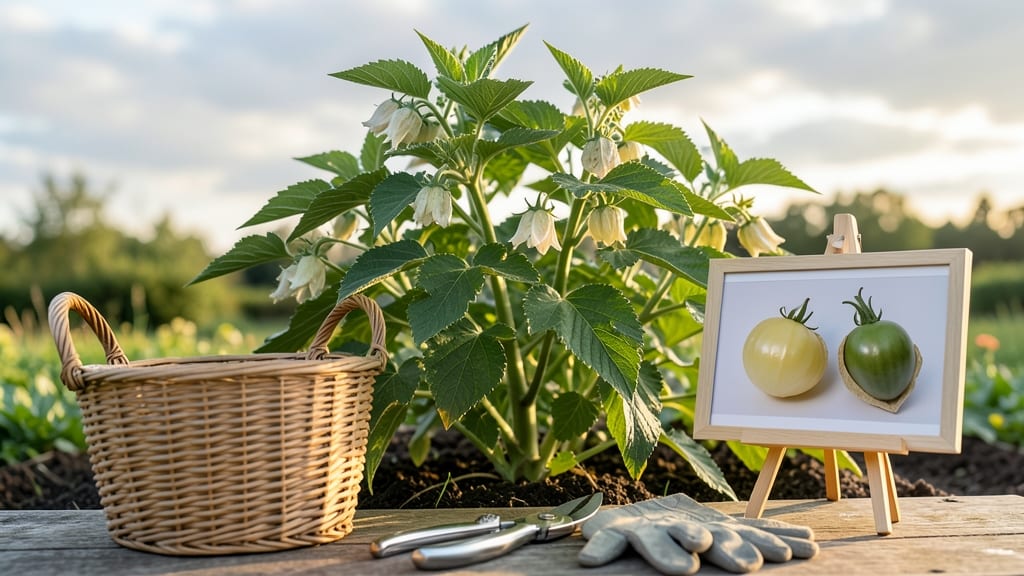
Knowing when to harvest tomatillos means catching them at the perfect moment—when they’re pale green to yellow-green, about 1.5 to 2.5 inches wide, and just slightly soft to the touch.
Miss that window, and your salsa verde turns bitter instead of bright. But nail it, and you unlock that signature tangy, citrusy punch that makes every dish pop. Here’s how to spot the ideal moment, from color shifts to size checks—and what to watch for to avoid common mistakes.
Tomatillos 🌱 ripen quickly, so timing matters. A quick squeeze or a peek at the husk can tell you everything you need to know. Too firm? Too small? We’ll break down the exact cues so you never guess again.
By the end, you’ll harvest with confidence, ensuring every tomatillo you pick delivers the best flavor for your recipes—whether it’s salsa, stews, or even breakfast tacos.

Tomatillo harvesting guide: color changes that signal peak ripeness
Tomatillos are ready to harvest when their color shifts from bright green to pale yellow-green, signaling peak tangy flavor. This transformation happens gradually over 70-90 days after planting, but environmental factors like sun exposure and temperature can speed up or slow down the process.
Paying attention to these visual cues ensures you pick them at the perfect moment for the best taste in your salsas and stews.
The most reliable way to determine ripeness is by observing the color evolution of the fruit. When young, tomatillos appear bright green and firm, similar to unripe limes. As they mature, they develop a pale green to yellow-green hue, often with slight mottling.
This color change indicates the fruit has reached its ideal flavor profile, balancing tartness with sweetness.
Regional variations can affect the exact shade of yellow-green. In hotter climates like Texas or Arizona, tomatillos may develop a more pronounced yellow tint faster due to increased sun exposure. Meanwhile, in cooler regions like California or Pacific Northwest, they might stay slightly greener for longer. Always harvest when the skin feels slightly soft to the touch but doesn’t dent easily.
Environmental factors play a crucial role in ripening. Full sun exposure (6-8 hours daily) accelerates color change, while partial shade can delay it. Temperatures between 70-85°F are ideal for ripening, but extreme heat or cold can stunt development.
High humidity may also slow the color transition, so monitor your plants closely during rainy seasons.
Don’t rely solely on color—also check the husk separation. At peak ripeness, the papery husk covering the tomatillo will begin to loosen and separate slightly from the fruit.
This is a clear sign the fruit is ready to pick. If the husk is still tightly wrapped, wait a few more days for the color to deepen further.
Here’s a quick reference to help you spot the perfect harvest window:
| Stage | Color | Husk Condition | Firmness | Action |
|---|---|---|---|---|
| Early | Bright green | Tightly wrapped | Very firm | Wait 1-2 weeks |
| Ideal | Pale yellow-green | Loosening | Slightly soft | Harvest now |
| Overripe | Dull yellow | Fully detached | Mushy | Use immediately |
If you harvest too early, your tomatillos will taste bitter and underripe, ruining dishes like salsa verde. On the other hand, waiting too long can lead to overripe, mushy fruit that lacks the crisp texture needed for fresh applications.
The key is to pick them when they’re firm but yielding and the color has shifted to that signature pale yellow-green.
Morning is the best time to harvest tomatillos because the cool temperatures help preserve their freshness. Use clean pruning shears or your hands to gently twist the fruit from the stem.
Avoid pulling too hard, as this can damage the plant. Once harvested, store them in a paper bag in the fridge for up to 2 weeks to maintain their flavor and texture.
For consistent yields, harvest tomatillos every 2-3 days once they start ripening. This encourages the plant to produce more fruit and prevents overripening.
Keep an eye on your plants, especially as they enter their peak harvest season between July and September, and adjust your harvesting schedule based on the color changes and environmental conditions.
With these color cues and environmental tips, you’ll never miss the perfect moment to harvest tomatillos again. The result? A burst of tangy, citrusy flavor that elevates every dish you prepare. Happy harvesting! 🌱🍋
Size matters: tomatillo size checklist for optimal flavor and texture
Harvesting tomatillos at the right size is the secret to unlocking their signature tangy flavor and tender texture. Aim for a diameter of 1.5 to 2.5 inches—this range ensures peak ripeness for salsas, stews, and other dishes.
Smaller tomatillos lack the full citrusy punch, while oversized ones can turn mealy or bitter.
Size directly impacts flavor intensity and texture. At 1.5 inches, they’re firm and slightly tart, perfect for chunky salsas. By 2.5 inches, they’re softer and sweeter, ideal for slow-cooked stews. Think of size as your flavor dial—adjust it to match your recipe’s needs.
To measure accurately, use a ruler or compare to a quarter (1-inch diameter). A ripe tomatillo should feel slightly soft but not mushy when gently squeezed. If it springs back immediately, it’s underripe; if it leaves an indentation, it’s overripe.
Tomatillo Size Checklist
- Flavor: Tangy, citrusy, balanced
- Texture: Firm but yielding
- Best for: Salsas, stews, tacos
- Flavor: Underdeveloped, bland
- Texture: Hard, unripe
- Risk: Bitter after cooking
- Flavor: Mealy, less tangy
- Texture: Soft, overripe
- Risk: Spoilage if stored
- Harvest morning for best flavor
- Use pruners to avoid damaging plants
- Store in paper bags to retain freshness
If your tomatillos are premature, wait 2–3 days for them to mature. For overripe ones, use them immediately in recipes like salsa verde or freeze them for later. Overripe tomatillos can also be blended into sauces to add depth without bitterness.
For consistent harvests, pick every 2–3 days during peak season. This encourages more production and prevents overripening. Keep an eye on the plant’s fruit load—if branches sag, it’s time to harvest!
Remember, size isn’t everything. Pair your harvest with the right color cues (pale green/yellow) and husk separation for foolproof results. With practice, you’ll develop an eye for the perfect tomatillo—every time.