
How To
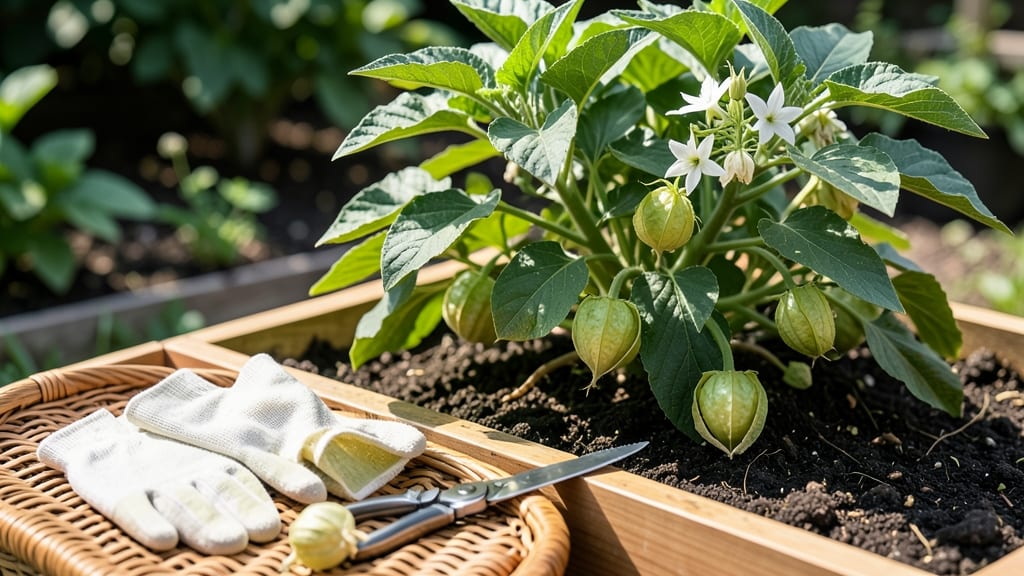
Harvesting tomatillos at the right time means capturing their signature tart, tangy flavor instead of ending up with bitter or mealy fruit.
If you’ve ever plucked a tomatillo too early and found it hard and flavorless—or waited too long and gotten a mushy mess—you know timing is everything. The difference between a perfect salsa verde and a disappointing batch often comes down to when you pick them.
Look for three key signs: husks that turn from green to papery brown, fruit that’s pale green and firm yet slightly yielding, and a size of about 1-2 inches in diameter. These visual cues, paired with a simple squeeze test, will help you nail the harvest window every time.
In this guide, I’ll break down the exact visual and tactile clues to watch for, plus how climate and variety affect your harvest timeline. By the end, you’ll know exactly when to harvest tomatillos for that bright, zesty flavor that makes them worth growing.

3 Visual signs tomatillos are ready for harvest (before they overripe)
Harvesting tomatillos at the right moment transforms their flavor from bland to brightly tangy, making them perfect for salsas and stews. The key lies in watching for three clear visual cues that signal peak ripeness—before they overripe into mealy, bitter fruit.
I’ve learned the hard way that waiting too long ruins their signature tartness, while picking too early means underdeveloped flavor. Let’s focus on the three unmistakable signs that tell you it’s time to harvest.
First, pay attention to the husk’s color change. When tomatillos are ready, their protective husks shift from vibrant green to a dry, papery brown. This isn’t just a color shift—it’s a sign the fruit inside has reached its perfect tartness.
I always check this first because it’s the most obvious clue. If the husks are still green and tight, the tomatillos need more time on the plant. But once they turn brown and start to peel back slightly, that’s your green light.
Next, examine the fruit’s size and firmness. At peak ripeness, tomatillos should be about 1 to 2 inches in diameter—no bigger, no smaller. They’ll feel firm but yield slightly when gently squeezed, like a ripe avocado. If they’re still hard, they’re not ready.
If they’re too soft or mushy, you’ve missed the window. This firm-yet-slightly-yielding texture is your golden ticket for the best flavor. I test this by giving them a gentle squeeze—if they dent easily, they’re overripe.
-
1Husks turn papery brown
Look for a dry, brown husk that peels back slightly—this means the fruit inside is ripe and ready for harvest. -
2Fruit is pale green and firm
The tomatillos should be about 1-2 inches wide, pale green, and slightly yielding when pressed—like a ripe avocado. -
3Base leaves begin yellowing
When the lower leaves turn yellow and start to die back, it’s a final sign that the fruit is ready for harvest.
One sign I often overlook is the yellowing of the base leaves. As the tomatillos mature, the leaves at the bottom of the plant will start to turn yellow and wither.
This isn’t a sign of disease—it’s nature’s way of telling you the plant is redirecting its energy to the fruit. I’ve noticed that if I wait until the leaves are fully brown, the tomatillos can become overripe quickly, so I harvest as soon as I see this yellowing begin.
It’s a subtle clue, but it’s a reliable one.
Timing your harvest correctly also depends on your local climate and variety. In hotter regions, tomatillos may ripen faster, while cooler climates can slow the process. For example, the ‘Purple Hue’ variety tends to ripen slightly earlier than ‘Greenstreak’.
I always adjust my expectations based on the weather—if we’ve had a heatwave, I check for ripeness more frequently. The key is to stay consistent with your checks and act quickly once you spot these signs.
If you miss the window and harvest overripe tomatillos, don’t panic. They’re still edible, but their flavor will be mushy and bland. To salvage them, I’ve found that using them in cooked dishes—like soups or braises—can help mask the off flavors.
But for the best results, always aim to harvest when you see these three signs. The effort is worth it for that bright, tangy flavor that makes tomatillos so special in the kitchen.
Pro tip: Harvest on a dry, sunny morning to give the fruit time to dry slightly before storing. This helps prevent mold and keeps them fresher longer. I like to lay them out on a clean towel in the sun for an hour or two before using or storing them.
It’s a small step, but it makes a big difference in their shelf life and flavor retention.
Remember, the goal is to harvest tomatillos when they’re at their peak tartness, not when they’re overripe. By watching for these three visual cues—brown husks, pale green fruit, and yellowing leaves—you’ll ensure every tomatillo you pick is bursting with flavor. Happy harvesting!
How to test tomatillo ripeness: the squeeze and taste method
Once your tomatillos show the right visual cues, it’s time to confirm ripeness with two simple tests: the squeeze method and a quick taste check. These techniques ensure you’re harvesting at peak flavor—when the fruit is tart, tender, and ready for your favorite recipes.
I’ve used these methods for years, and they’ve never let me down.
The squeeze test is your first line of defense. Gently grasp a tomatillo between your thumb and forefinger and apply light pressure. A ripe tomatillo should feel firm yet slightly yielding, almost like a ripe avocado—it gives just a little but doesn’t squish easily.
If it feels rock-hard, it’s not ready yet. If it’s mushy or squishy, you’ve waited too long.
After the squeeze, it’s time for the taste test. Cut open a tomatillo and take a small bite. At peak ripeness, the flavor should be bright, tangy, and slightly sweet with no bitterness.
If it tastes bitter or mealy, harvest earlier next time. If it’s bland or overly sour, it’s past its prime. This step is non-negotiable for salsa verde lovers like me!
Harvesting too late turns tomatillos mealy, bitter, or even rotten. The husk may split open, exposing the fruit to pests and disease. Always harvest when husks turn papery brown and the fruit inside is pale green—never wait for the husk to fully dry or crack.
For the squeeze test, focus on the pressure point. Press near the stem end—this is where the fruit is most sensitive to ripeness. If the tomatillo feels springy but doesn’t dent, it’s perfect.
Avoid pressing too hard; you’re testing tenderness, not strength. Pro tip: Do this test on 3-5 tomatillos from different plants to account for natural variations in your garden.
If you’re still unsure, try the taste test on a small batch. Cut open 2-3 tomatillos and compare their flavors. The best ones will have a juicy, almost gelatinous texture inside.
If they’re dry or hollow, they’ve overripened. Remember, tomatillos don’t improve after picking—they only get worse, so act fast once you spot the right signs.
To avoid mistakes, harvest in the morning when temperatures are cooler. This reduces stress on the plant and ensures the fruit is at its freshest.
Store harvested tomatillos in a paper bag in the fridge for up to a week, but use them as soon as possible for the best flavor. Trust me, your salsa verde will thank you!