
Picking
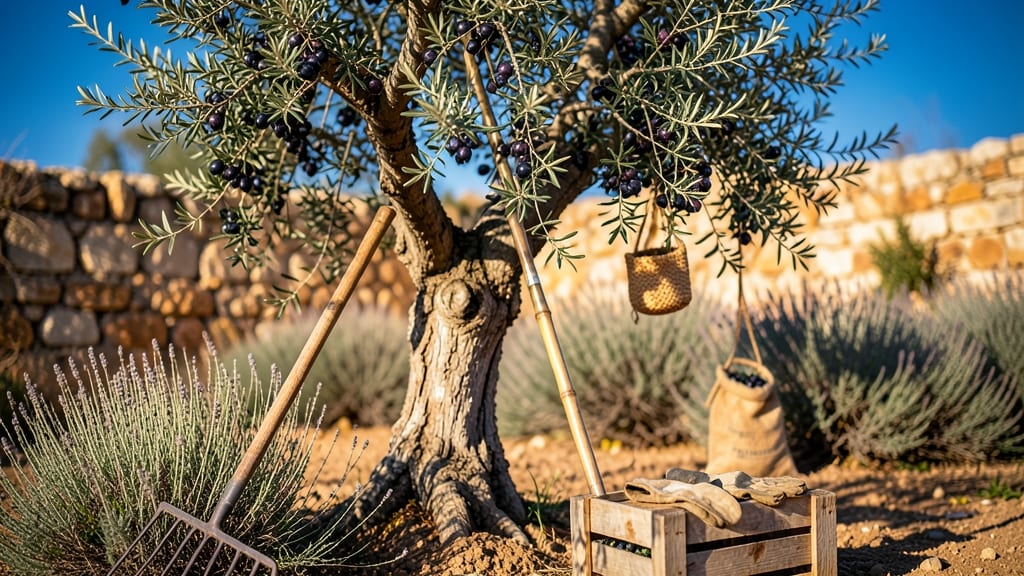
The olive harvest in Italy peaks from October through January, transforming coastal towns into bustling hubs of golden 🫒 fruit and rich traditions.
Picture this: Tuscany’s rolling hills blanketed in early-morning mist, while Puglia’s olive groves hum with the rhythmic clatter of mechanical harvesters. But timing isn’t one-size-fits-all—climate, variety, and even a late frost can shift the season by weeks.
For olive oil lovers, this means November and December deliver the freshest, most flavorful oils, while table olive enthusiasts wait for the deep purple hues of January. Whether you’re planning a trip or dreaming of homemade oil, knowing these windows could make all the difference.
Below, I’ll break down the exact harvest months by region, the signs to watch for, and how to time your visit—or your pantry stock-up—for the best of Italy’s golden harvest.

2024 Olive harvest season timeline in Italy by region
Italy’s olive harvest is a regional symphony, with each area conducting its own seasonal performance based on climate, variety, and tradition.
Southern regions like Calabria and Sicily often kick off harvests earlier due to their warmer winters, while northern areas like Tuscany and Umbria may stretch into January. Understanding these patterns helps you time your trip, secure rare oils, or even propagate olive trees from fresh harvests.
Let’s dive into the 2024 predictions based on historical data and early-season trends.
Historical data shows that 2023’s harvest began as early as late September in Sicily and wrapped up by mid-January in Tuscany. Experts anticipate 2024’s window could mirror or slightly extend these dates, depending on spring rainfall and summer temperatures.
Drought conditions in Puglia and Calabria often delay harvests by 1-2 weeks, while cooler, wetter summers in Tuscany can push olives to peak ripeness faster. Let’s break down the month-by-month expectations for Italy’s top olive-growing regions.
| Region | Primary Varieties | Early Harvest (Green Olives) | Peak Harvest (Black/Purple) | Late Harvest (Cold-Press Oil) | Key Triggers | |||||||||||||||
|---|---|---|---|---|---|---|---|---|---|---|---|---|---|---|---|---|---|---|---|---|
| Tuscany | Frantoio, Leccino | Mid-October | November 15-December 15 | January 5 | Cool nights, 50% humidity | |||||||||||||||
| Puglia | Ogliarola, Coratina | Late September | October 20-November 10 | December 20 | Drought stress, warm days | |||||||||||||||
| Umbria | Frantoio, Dolce Agogia | Early October | November 1-December 5 | January 10 | Rainfall spikes, pest pressure | |||||||||||||||
| Calabria | Nocellara, Moresca | Late September | October 15-November 5 | December 15 | Early frosts, high humidity | |||||||||||||||
| Sicily | Nocellara, Tonda Iblea | Early September | October 10-November 1 | December 10 |
How climate, variety, and processing methods affect harvest timingUnderstanding olive ripening is key to predicting harvest windows in Italy. The color shift from green to black/purple signals maturity, but this process accelerates under hot, dry conditions—like those in Puglia—while slowing in cooler regions like Umbria. Italian agronomists confirm that temperature swings of just 5°C can delay or rush harvests by 2-3 weeks, making weather forecasts critical for growers. Olive varieties like Frantoio (Tuscany) and Leccino (Umbria) peak for oil production when olives remain green, while Kalamata (Sicily) reaches ideal table-ready ripeness at full black. The oil yield drops sharply if harvesting is delayed beyond peak ripeness, so growers monitor fruit detachment tests—gently shaking branches to check if olives release easily.
Traditional cold-press methods allow growers to stretch harvests over 4-6 weeks, preserving flavor nuances, while mechanical harvesters can process olives in just 2-3 weeks. Agronomists note that modern mills in Puglia often harvest earlier to meet global demand, sacrificing some oil quality for efficiency. Meanwhile, small-family estates in Tuscany prioritize slow, traditional pressing for premium extra-virgin oils. Rainfall plays a paradoxical role: while olives need consistent moisture, excess rain before harvest can dilute oil content and split fruits, forcing growers to delay picking. In drought-prone Calabria, irrigation schedules are adjusted to slow ripening and align harvests with market peaks. Experts recommend monitoring soil moisture and leaf water potential to balance growth and quality. Early frosts pose the biggest threat, especially in northern Italy, where temperatures can drop below 5°C by December. Growers in Veneto often harvest 2-3 weeks early to avoid frost damage, while Sicilian producers push later into November, betting on milder coastal climates. Italian agronomists emphasize that harvest timing is a delicate balance between climate, variety, and market demands. For home gardeners, microclimates matter: even a south-facing slope can advance ripening by 10-14 days compared to shaded areas. If you’re growing olives, track fruit color and detachment tests weekly—these are your best indicators for optimal harvest timing, whether for oil or table use. 🫒 |