
How To
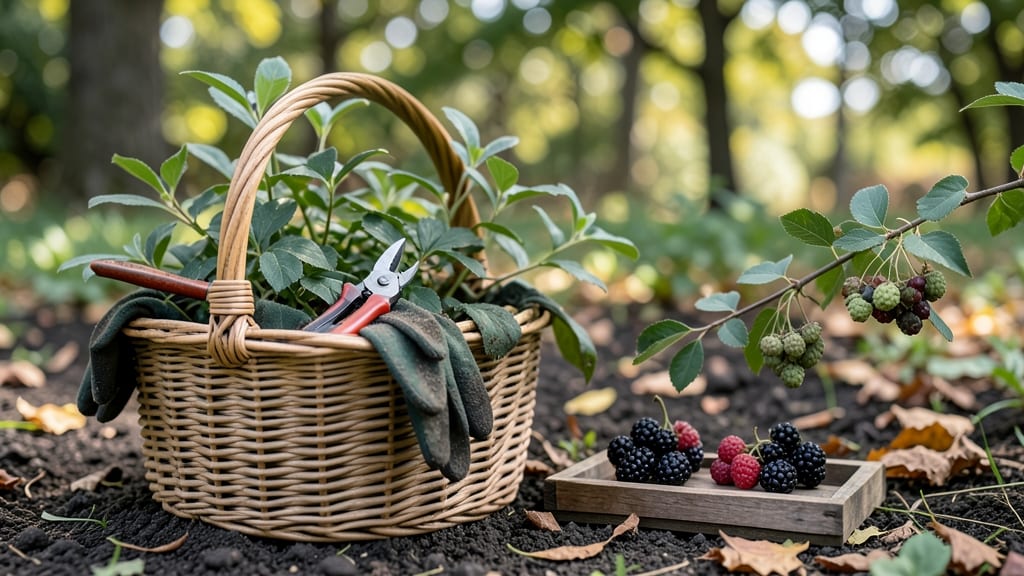
Aronia berries reach their peak flavor and nutritional benefits when harvested at the right moment 🫐 — a window that’s easy to miss if you’re not watching for the color shift and seed softness.
Picture this: you’ve waited all summer for your aronia shrub to burst with fruit, only to pick berries that taste bitter or mealy. That’s what happens when you harvest too early or too late.
The difference between a sweet, jammy berry and a tart, underripe one comes down to two simple cues: deep purple-black color and a slight give when you press them.
Timing matters even more in cooler climates like Zone 6a, where late August to September is the sweet spot. But if you’re in a warmer area, berries may ripen earlier—so knowing the exact signs saves you from wasted effort (and hungry birds beating you to the harvest!).
In this guide, I’ll walk you through the visual and tactile tests to nail the perfect harvest, plus how to handle your bounty afterward for the best flavor and shelf life. No more guesswork—just peak-season berries every time.

How to identify the perfect aronia berry harvest time using color and seed tests
Aronia berries transform from green to deep purple-black as they ripen, but color alone isn’t enough to determine peak harvest time. The seed softness test and squeeze test reveal the true readiness of these nutrient-packed berries.
Mastering these three methods ensures you pick fruit at its sweetest and most nutrient-dense moment.
First, focus on the berry color shift. Unripe aronia berries start green or light red, gradually deepening to purple-black when fully ripe. This transformation signals the berries have developed their signature antioxidant-rich properties and balanced sweet-tart flavor.
However, a few lingering red or purple spots don’t mean the berries are unready—just that they’re nearing perfection.
Next, perform the seed softness test. Gently crush a berry between your fingers—ripe seeds should feel soft and slightly mushy, almost like overripe blueberries. If the seeds remain hard and crunchy, the berries need more time on the bush.
This test confirms the sugar content has peaked while the tannins (which cause bitterness) have mellowed.
The squeeze test is your final check—gently press a berry between your thumb and forefinger. Ripe aronia berries should yield slightly but not squish flat like overripe fruit. If the berry feels firm and unyielding, wait a few days.
Overripe berries will feel mushy and may leak juice when pressed, indicating they’ve passed their prime for fresh eating.
Avoid these common harvesting mistakes: Picking berries too early for sweetness or too late for texture. Early harvests result in bitter, underripe fruit, while waiting too long leads to mealy, flavorless berries.
Also, never harvest after a hard frost, as cold temperatures destroy the cell structure, turning the berries into a mushy pulp.
For the best results, harvest aronia berries on a dry, sunny morning when the dew has evaporated. This reduces moisture on the berries, preventing mold growth during storage.
Use clean pruning shears or wear gardening gloves to avoid crushing the delicate fruit. Always harvest gently, twisting the berries off the stems rather than pulling them.
Pro tip: If you’re unsure whether your aronia berries are ready, pick a small sample and taste it. Ripe berries should have a balanced sweet-tart flavor with a hint of earthy undertones.
If the flavor is overwhelmingly tart or bitter, wait another 3–5 days before harvesting the rest of your crop.
Once you’ve mastered these tests, you’ll never miss the perfect harvest window again. The key is patience—waiting for the berries to reach their deep purple-black hue, soft seeds, and slight give when squeezed ensures you reap the maximum flavor and nutritional benefits from your aronia bushes.
Remember, aronia berries don’t ripen further after picking, so timing is everything. With these visual and tactile cues, you’ll transform your harvest from bitter disappointment to sweet success every season. Happy picking!
Best time of day and season for harvesting aronia berries (by climate zone)
Aronia berries thrive in cooler temperatures, and their harvest window shifts dramatically depending on your USDA hardiness zone. In Zones 3–5, you’ll likely harvest in late August to early September, while gardeners in Zones 6–8 can expect ripe fruit from mid-August through October.
The key is avoiding early frost—those delicate berries can shatter if temperatures dip below 40°F (4°C) before harvest.
Morning is the best time of day to pick, when berries are cool and firm. Avoid harvesting after rain, as excess moisture can dilute flavor and spread fungal diseases. Humidity above 70% also signals potential for mold—so check the forecast before planning your harvest day.
Here’s how to adjust your timing based on your climate zone:
| Zone | Harvest Window | Ideal Temp Range (°F) | Frost Risk | Best Time of Day |
|---|---|---|---|---|
| Zones 3–4 | Late August–Early September | 50–70°F (10–21°C) | High (harvest before September 15) | Morning (before 10 AM) |
| Zones 5–6 | Mid-August–Late September | 55–75°F (13–24°C) | Moderate (watch for October frost) | Morning (avoid humidity spikes) |
| Zones 7–8 | Late July–Early October | 60–80°F (16–27°C) | Low (extend season with shade cloth) | Early morning (prevents sunburn) |
In Zones 3–4, where frost arrives early, prioritize harvesting by mid-September—even if berries aren’t fully ripe. Use a lightweight cloth to cover shrubs if frost threatens before your target window.
For Zones 7–8, you’ve got more flexibility, but berries left on the bush too long may crack or attract pests like birds and wasps.
Pro tip: If your aronia shrub is near a south-facing wall, berries on that side ripen 1–2 weeks earlier than shaded areas. Harvest sun-exposed clusters first to maximize yield.
Always use clean pruners or scissors to avoid damaging stems, and lay down cardboard under the bush to make collection easier.
Once harvested, store berries in the fridge for up to 5 days or freeze them immediately to lock in flavor. Don’t wash until ready to use—moisture speeds up spoilage. With the right timing, you’ll enjoy sweet, antioxidant-rich berries all winter long! 🫐