
Vegetables
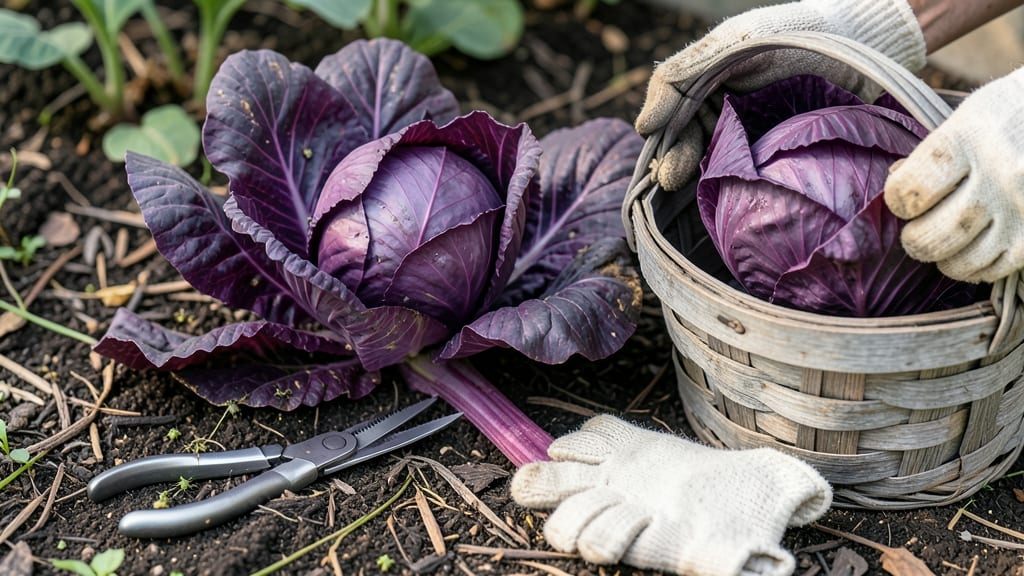
Harvesting purple cabbage at the right time means the difference between a crisp, vibrant head and one that turns bitter or woody.
That stunning deep purple 🥬 in your garden might be ready to harvest—or it could still need weeks to reach its sweetest, most flavorful peak. Knowing the exact moment to pick it means avoiding disappointment in your kitchen.
Look for heads that are firm, tightly packed, and a deep, consistent purple. If the outer leaves start yellowing or the color fades, you’ve waited too long. In USDA Zone 6a, timing matters even more—spring plantings need attention in June-July, while fall harvests peak in October-November.
Below, I’ll walk you through the color shift test, how to handle different uses (fresh, fermented, or cooked), and storage tricks to keep your harvest fresh for weeks.

How to use the purple cabbage color shift test for perfect harvest timing
Purple cabbage is one of those magical vegetables that transforms from a deep violet hue to a vibrant green when cooked—thanks to its anthocyanin pigments. But before it reaches your kitchen, you need to nail the harvest timing to ensure peak flavor and texture.
The color shift test is your secret weapon for determining when those heads are ready to pick.
Start by examining the outer leaves of your cabbage head. A truly mature purple cabbage will maintain its deep purple color even when the leaves are fully unfurled. If the color starts shifting toward green or yellow, it’s a clear sign the head is either overripe or stressed.
This test works best when combined with checking the head firmness and stem snap test.
Here’s how to apply the color shift test in your garden:
Look for a consistent deep purple color across the outer leaves. If they’re pale or patchy, the head isn’t ready yet.
Gently squeeze the head. It should feel firm and compact, like a tightly packed ball. If it’s soft or loose, wait a few more days.
Grasp the stem near the base and give it a gentle twist. If it snaps cleanly, the cabbage is ready. If it resists or pulls out with resistance, it needs more time.
A mature purple cabbage head should be 4-6 inches in diameter. Smaller heads may still need time to bulk up.
If the head turns green or yellow prematurely, it’s often due to heat stress or nutrient deficiency. Harvest immediately to avoid bitterness or woody texture.
Pick your cabbage in the morning after dew has dried. This ensures the heads are crisp and hydrated, ready for storage or immediate use.
One common mistake I see is waiting too long because the cabbage looks "big enough." But size alone isn’t the best indicator—texture and color matter more. Overmature cabbage heads often develop a woody core and lose their sweetness, making them less enjoyable to eat raw or cook with.
If your purple cabbage starts turning green before it’s fully mature, it’s likely a sign of heat stress, especially in hot climates. To prevent this, provide afternoon shade during peak summer months and ensure consistent moisture levels in the soil.
Mulching around the base of the plant can also help maintain even temperatures and retain soil moisture.
For storage purposes, harvest your purple cabbage when the heads are firm and deeply colored, but before the outer leaves start to yellow. Stored properly in a cool, humid environment (32-40°F), they can last for 3-4 weeks, retaining their vibrant color and crisp texture.
If you’re planning to ferment or cook it, you can harvest slightly earlier—around 70-80 days after transplanting—for optimal flavor.
Remember, the color shift test isn’t just about the final purple hue—it’s about consistency. A cabbage that’s ready to harvest will maintain its deep color from the outer leaves to the core.
If you see any uneven coloration or yellowing edges, it’s time to act fast to avoid wasting your hard work.
With practice, you’ll develop an eye for the perfect moment to harvest your purple cabbage. And once you master the color shift test, you’ll be rewarded with heads that are crisp, sweet, and packed with flavor—ready to elevate any dish from salads to stir-fries. 🥬
Best harvesting methods to preserve purple cabbage flavor and storage life
Once your purple cabbage 🥬 reaches maturity, the way you harvest it directly impacts its flavor and how long it stays fresh. A sharp knife and clean cuts are your best tools for preserving that vibrant deep purple color and crisp texture.
Never pull heads from the plant—this damages the roots and can shorten the plant's lifespan for future harvests.
Timing is everything: harvest in the morning after dew dries when temperatures are cool. This ensures maximum crispness and prevents wilting. If you wait until afternoon heat, your cabbage will lose moisture and become limp before you even store it.
For storage life extension, leave the outer leaves intact when harvesting. These act as a natural barrier against moisture loss and physical damage. Simply cut the head cleanly with a sterilized knife about 1 inch above the base, leaving the root system undisturbed for future growth.
⚠️ Harvest Too Early or Too Late?
Too early: Heads under 4 inches are loose and lack flavor. You'll sacrifice sweetness and storage potential.
Too late: Yellowing leaves or heads over 6 inches mean bitter, woody texture. Color shifts to greenish-purple when overripe.
Perfect timing: Firm 4-6 inch heads with deep purple color and crisp outer leaves. Test by gently twisting—if the stem snaps cleanly, it's ready!
After harvesting, handle your cabbage with care. Remove any damaged outer leaves but keep the head intact. Store in a plastic bag with ventilation in your refrigerator's crisper drawer. This creates the ideal humid, cool environment (32-40°F) to preserve freshness for up to 3-4 weeks.
For even longer storage, consider fermenting or freezing. Whole heads freeze beautifully when blanched first—simply cut into wedges, blanch for 2 minutes, then freeze in airtight containers. This method preserves flavor for up to 12 months without quality loss.
One common mistake I see is storing cabbage with ethylene-producing fruits like apples or bananas. These release gases that accelerate spoilage. Keep your purple cabbage separate to maintain its crispness and vibrant color for weeks longer.