
Vegetables
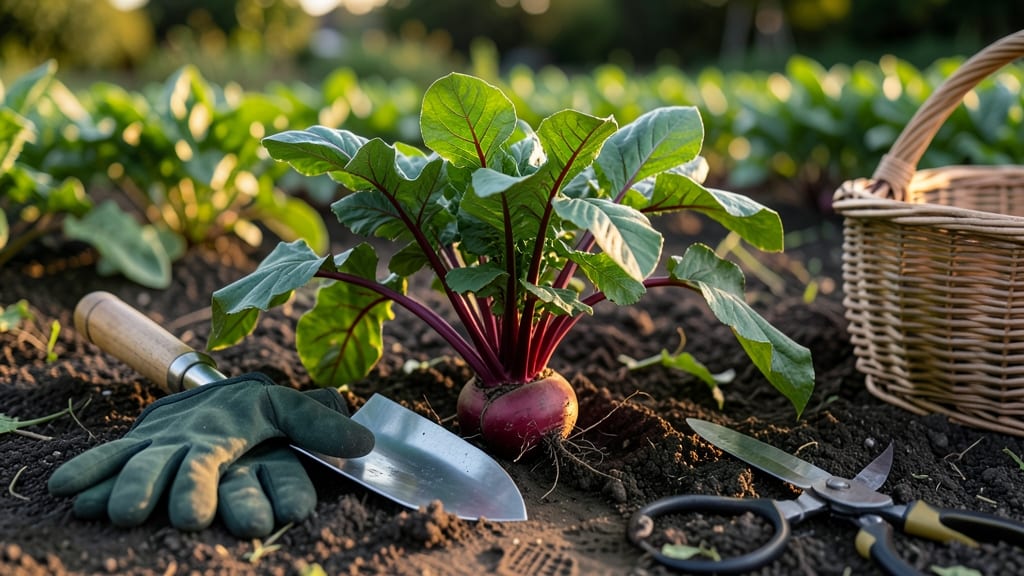
Harvesting beet roots at the right time ensures tender, flavorful 🍠 roots instead of tough, fibrous ones—here’s how to know when they’re ready.
Picture this: you’ve been patiently waiting, checking your garden every few days, and now the beets are finally big enough to dig. But how do you know if they’re perfectly ripe? The answer lies in three simple tactile tests that take less than a minute and spare you the guesswork.
Most gardeners wait 50 to 70 days after planting before harvesting, but timing varies by variety. Baby beets can be ready in as little as 45 days, while larger storage types may need up to 80 days.
The key is watching for deep color, firm roots, and healthy foliage—signs that tell you the moment is now.
In this guide, I’ll walk you through the three foolproof ways to test your beets, plus when to adjust for your climate and how to store them afterward for maximum freshness.

3 Tactile tests to determine beet root harvest readiness
Harvesting beet roots at the perfect moment ensures sweet, tender roots packed with flavor. Unlike many vegetables, beets don’t give obvious visual cues—you’ll need to feel and observe closely. The key is testing three physical indicators that reveal when roots are ready to pull.
These tactile methods work for all beet varieties, from baby beets to storage types, and require no special tools—just your hands and a little patience.
Many gardeners wait too long, ending up with woody, fibrous roots that lack sweetness. Others harvest too early, missing the peak flavor window. The solution? Use these three simple touch-based tests to determine harvest readiness. I’ve relied on these methods for years in my garden, and they’ve never failed me.
The best part? You can perform them without digging up the entire plant—just gently loosen the soil around a few roots to check.
- 1 Root Size Test: Gently loosen soil around one beet. If the root is 2-3 inches wide (about the size of a golf ball), it’s ready. For baby beets, aim for 1-2 inches. Press lightly—if the soil resists, the root is still growing.
- 2 Skin Thickness Test: Rub your thumb along the beet’s skin. Ready roots feel smooth but firm, with a thin, papery skin. Thick, leathery skin means it’s overripe. If you can’t easily feel the contours, it’s not harvest time yet.
- 3 Stem Flexibility Test: Gently grasp the beet’s top leaves and stems near the soil line. If the stem bends slightly (like a young bamboo shoot) without snapping, the root is mature. A stiff, brittle stem signals over-maturity, while a floppy stem means it needs more time.
For storage beets, like Detroit Dark Red or Chioggia, wait until the roots reach 3-4 inches in diameter. These varieties develop a thicker skin and store better when slightly larger.
In contrast, baby beet varieties like Little Ball or Babybeat are perfect at 1-2 inches—harvesting them earlier prevents them from becoming tough.
Timing also depends on soil temperature. In cool spring soil (50-60°F), beets grow slower and may take 70-80 days to reach harvest size. In warmer summer soil (65-75°F), they mature faster—often in 50-60 days.
If your garden is hotter than 80°F, beets may bolt (go to seed) before reaching full size, so prioritize shade cloth or succession planting.
One common mistake is relying only on leaf size to judge readiness. While healthy 4-6 inch tall foliage is a good sign, leaves can stay lush even when roots are past their prime. That’s why the tactile tests are non-negotiable.
I once harvested a batch of beets based solely on leaf size, only to find the roots were rock-hard and bitter. Lesson learned: always test the roots themselves.
If you’re growing striped or heirloom varieties, like Chioggia or Cylindra, their color patterns will be most vibrant at harvest. Overripe beets of these types often develop muddy or faded stripes, losing their visual appeal.
For golden beets, aim for a deep amber hue—pale yellow means they need more time in the ground.
Once you’ve confirmed harvest readiness, dig carefully using a fork or trowel to avoid damaging nearby roots. Leave 1-2 inches of stem attached—this helps preserve moisture and sweetness. Store harvested beets in a cool, dark place (50-55°F) with high humidity to extend freshness.
For long-term storage, cure them by leaving them in the sun for 1-2 hours to toughen the skin before storing.
Practice these tactile tests a few times, and you’ll develop an almost instinctive sense for the perfect harvest moment. My Detroit Dark Red beets now rarely go past their prime, thanks to these simple checks.
The difference in flavor between a perfectly timed harvest and an overripe one is night and day—trust me, your taste buds will thank you.
How long does it take beets to reach harvest time?
Beets are one of those rewarding vegetables where timing is everything. If you harvest too early, you’ll get small, underdeveloped roots. Too late, and they become tough and woody—neither of which is ideal.
Most gardeners expect their beet harvest between 50 to 70 days after planting, but the exact time depends on the variety you’re growing. Baby beets, like 'Babybeat,' can be ready in as little as 35 to 45 days, while standard varieties like 'Detroit Dark Red' take closer to 60 to 70 days.
Storage types, such as 'Chioggia,' may need up to 80 days to reach their full potential.
Soil temperature plays a critical role in how quickly beets mature. Warmer soils (above 60°F) speed up growth, meaning you might harvest sooner in summer than in cooler spring or fall. Conversely, cold soils (below 50°F) slow growth, extending the time until harvest.
If you’re planting in early spring or late summer, be patient—adjust your expectations and monitor your plants closely for readiness cues.
Seasonal adjustments are key to maximizing your yield. In spring plantings, beets often mature faster because the days are longer, providing more sunlight. For fall harvests, plant seeds in late summer to ensure they mature before the first frost. If you’re in a short-season climate, opt for faster-maturing varieties like 'Early Wonder Tall Top' to guarantee a harvest before cold weather sets in.
If you’re growing beets for storage, aim for a harvest just before the first frost.
This ensures the roots have developed enough to last through winter. Storage varieties like 'Long Top White' or 'Cylindra' are designed to keep well in cool, dark conditions, but they still need time to mature fully.
For the best flavor and texture, harvest storage beets when the roots are firm and the tops are still vibrant.
Don’t forget to check your beets for readiness cues beyond just days since planting. Gently brush away the soil to inspect the root size—2 to 3 inches in diameter is perfect for most varieties. The skin should also feel smooth and taut, not wrinkled or loose.
If the foliage is lush and healthy, that’s another sign your beets are nearly ready to harvest. Ignoring these visual clues can lead to over-mature roots that are less sweet and more fibrous.
Pro tip: If you’re unsure whether your beets are ready, harvest a few as testers. This way, you can enjoy fresh beets while the rest continue to mature.
Just remember, once you start harvesting, the remaining beets will grow faster to compensate. Consistent harvesting encourages continuous production, giving you a steady supply throughout the season.