
How To
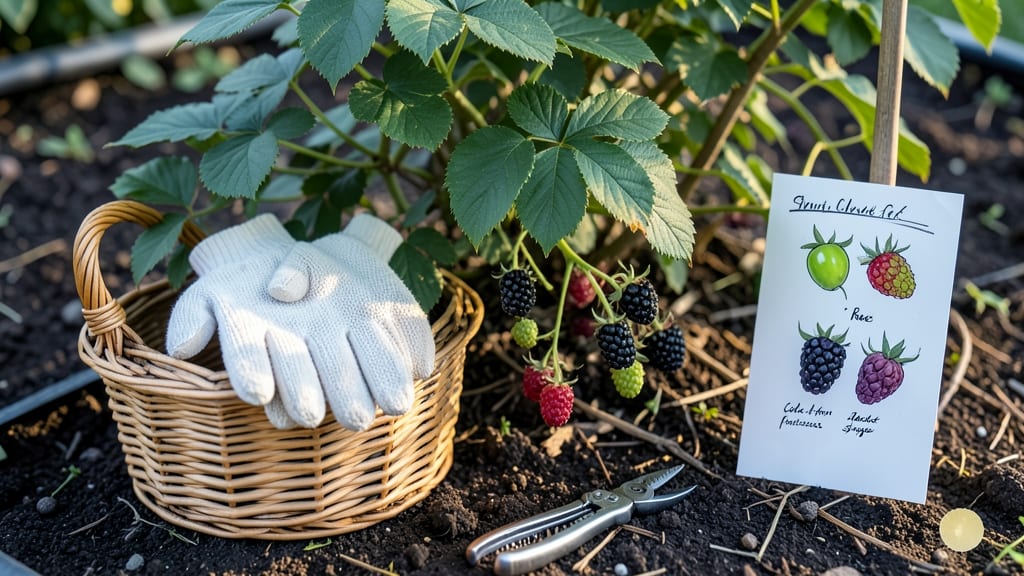
Harvesting blackberries when they’re fully ripe means the difference between bursting sweetness and a mealy, underwhelming bite.
Picking too early turns your berries into tart snacks for birds, while waiting too long means mushy, overripe messes. The secret? Timing your harvest based on color, texture, and a simple gentle squeeze test—and knowing when to act before the birds do.
In USDA Zone 6, most varieties like Chester or Triple Crown hit peak ripeness in mid to late July, but heat waves or rain can shift that window.
Below, I’ll show you how to spot the perfect moment, avoid common mistakes, and keep your harvest coming all summer long.
You’ll learn the three key ripeness cues (color, scent, and the "yielding" touch), how often to pick for maximum yield, and what to do if a storm or pests threaten your crop. No more guessing—just juicy, flavor-packed blackberries every time.

How to test blackberry ripeness: the firm yet yielding method
There's nothing worse than biting into a blackberry that's either underripe and tart or overripe and mushy. The secret to perfect blackberries lies in a simple three-part tactile test that combines color, texture, and stem detachment.
Mastering this method guarantees berries that are bursting with sweetness and ready for picking.
Start by examining the berries' color transformation. Ripe blackberries should be deep, glossy black all over, with no lingering hints of red or green. Some varieties like Triple Crown may show a slight red tint when fully ripe, but the majority should be uniformly dark.
This color shift is your first clue that the berries are nearing peak ripeness.
Next, perform the gentle squeeze test. Grip a berry lightly between your thumb and forefinger—it should feel firm yet yielding, almost like a ripe peach. If it feels rock-hard or rubbery, it needs more time on the vine.
Conversely, if it squishes easily and leaves an indentation, it's past its prime and will spoil quickly.
Your Step-by-Step Blackberry Ripeness Checklist
- 🔹 Check color: Berries should be uniformly deep black (or variety-specific dark hues). Avoid any green or red patches.
- 🔹 Gentle squeeze: Press lightly—ripe berries yield slightly but don’t squish. Overripe berries will bruise under pressure.
- 🔹 Stem test: Gently pull the berry from the plant. If it detaches easily with a slight twist, it’s ready. If it resists, wait 1-2 days.
- 🔹 Taste test (optional): Pop one into your mouth—sweetness should overpower tartness. If it’s still sour, the berries need more time.
- 🔹 Aroma check: Ripe blackberries emit a fruity, sweet scent. If they smell bland or fermented, they’re overripe.
✅ Pro Tip: Harvest in the morning when berries are coolest—this preserves their texture and flavor longer.
The stem detachment test is often the most reliable indicator. Gently grasp a berry and twist it slightly—it should release effortlessly from the plant. If the stem resists and requires force, the berry isn’t ready yet.
This test works best when combined with the color and squeeze checks, as some varieties may detach early but lack full sweetness.
Distinguishing ripe from overripe blackberries can be tricky, but there are clear signs. Overripe berries often have a dull, matte finish instead of a glossy sheen. They may also leak juice when squeezed or show signs of mold or soft spots.
If you notice birds pecking at your berries aggressively, it’s a sign they’re ripe and ready—act fast before they’re all gone!
One common mistake is harvesting too early to avoid bird damage. While it’s true that birds love ripe blackberries, waiting just 1-2 extra days for full ripeness makes a huge difference in flavor.
If you’re worried about birds, consider netting your plants once berries reach the half-ripe stage (when they’re dark but still firm).
For thornless varieties like Natchez or Chester, the ripeness tests are slightly different. These berries often ripen more uniformly and may stay on the vine longer without splitting.
Pay extra attention to the stem’s color—it should turn from green to a light brown when the berry is fully ripe.
Once you’ve mastered these tests, you’ll never second-guess your blackberry harvest again. The key is patience and consistency—check your berries every 2-3 days during peak season to catch them at their sweetest.
With practice, you’ll develop an instinct for knowing exactly when to pick for that perfect balance of sweetness and tartness.
Remember, the best blackberries are those picked at peak ripeness and used within 24 hours for maximum flavor. Store them in the fridge in a paper towel-lined container to absorb moisture and extend freshness. Now grab your container and head to the garden—your juicy, flavor-packed blackberries are waiting!
Blackberry harvest stages: color cues by variety (thornless vs. traditional)
Not all blackberries ripen the same way—color cues vary dramatically between thornless varieties like Natchez and traditional types like Triple Crown. A deep purple-black hue might signal ripeness for one, while another variety needs a glossy sheen or even red-tinged shoulders before picking.
Ignoring these differences means missing peak flavor or dealing with bird raids on underripe fruit.
In USDA Zone 6, most varieties reach harvest stage between mid-July and early August, but heat waves can push maturity earlier. Thornless blackberries often ripen 1-2 weeks earlier than traditional types, so timing your harvest by variety saves you from empty-handed trips to the patch.
Regional adjustments matter too—cooler climates (like Zone 5) may delay ripening by 10-14 days, while Southern growers (like Zone 7+) might see harvests start as early as late June. Pay attention to local microclimates, like a south-facing slope that warms up faster.
For thornless varieties, focus on the shoulder color—many develop red or pink tinges just before full ripeness. For example, Natchez blackberries often show these hints 3-5 days before turning fully purple. Traditional varieties like Chester rely more on uniform blackness and a glossy finish.
Pro tip: Use a flashlight trick on cloudy days—shine light through the berry. If it’s semi-transparent with seeds visible, it’s ready. If not, wait another 24-48 hours. This works especially well for Triple Crown, which can look ripe but still taste tart if picked too soon.
Once you’ve mastered these color cues, you’ll never miss harvest season again. Next, I’ll show you how to maximize yield by harvesting at the right time of day and handling post-pick care to keep your berries fresh.