
How To
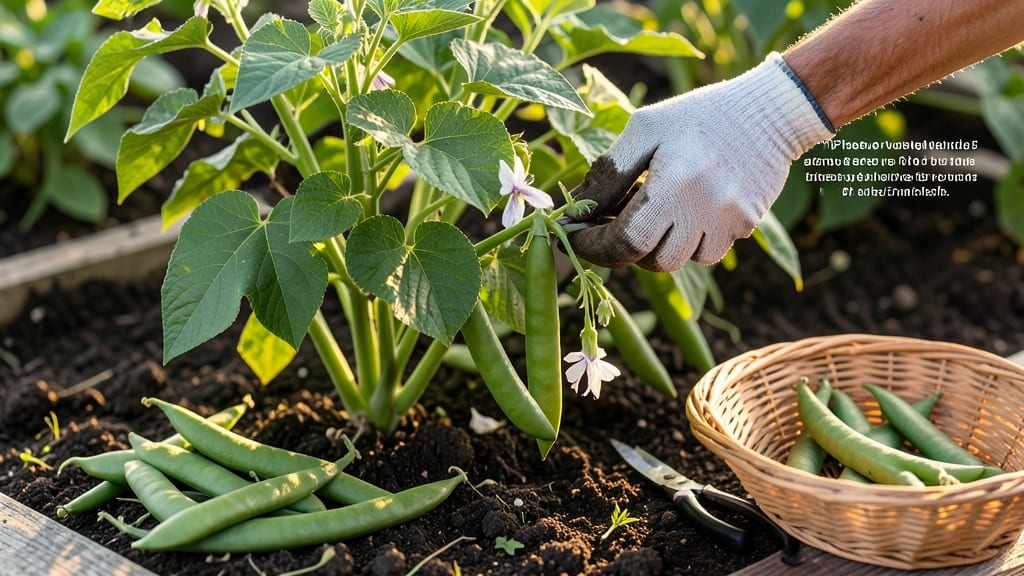
Harvesting bush beans at the right time ensures crisp, flavorful pods that snap cleanly in your hand 🌱—not tough or shatter-prone.
Picking too early means tiny, underdeveloped beans, while waiting too long leads to woody texture or split pods. The difference between a perfect harvest and wasted effort often comes down to knowing these three simple visual cues.
Most gardeners miss the window because they focus on days after planting instead of the pod’s appearance. But once you learn to read the size, color, and firmness, you’ll never guess again.
Below, I’ll walk you through exactly what to look for, how often to pick for continuous yield, and the one mistake that causes beans to burst mid-harvest.

How to identify the perfect harvest time for bush beans
Harvesting bush beans at the right moment transforms your garden into a flavor factory. The difference between crisp, sweet pods and woody, stringy messes comes down to timing.
If you wait too long, those plump beans turn tough and shatter in your hand—or worse, the pods burst open on the vine. Let’s break down the visual and tactile cues that tell you "now’s the time!"
First, focus on pod size—this is your primary indicator. Bush beans are ready when they reach 4 to 6 inches long, depending on the variety. Smaller pods (under 3 inches) are still growing and lack sweetness, while larger ones become fibrous.
Think of it like Goldilocks: you want the pods that are "just right." Pro tip: Measure a few pods with your thumb and forefinger—if they span about 1.5 to 2 inches, they’re likely ready.
Next, check the color and texture. Mature bush beans should be bright green and glossy, almost shiny under sunlight. Dull or yellowing pods mean they’ve overripe and lost flavor. Run your fingers along the pod—it should feel firm but not hard.
If it’s mushy or squishy, it’s past its prime. And here’s a secret: give the pod a gentle bend test. If it snaps cleanly with a slight crack, it’s perfect for picking.
Don’t overlook the seed stage inside the pod. At the ideal harvest time, the seeds are small and barely visible through the pod’s skin. If you can see or feel them swelling, the bean is overripe.
This is crucial because once seeds start developing, the pod’s starch converts to sugar, making it tough and less tender. Think of it like catching a wave—you want to harvest before the seed "surf" gets too big.
| Indicator | Ready for Harvest | Not Ready | Overripe |
|---|---|---|---|
| Pod Size | 4–6 inches long | Under 3 inches | Over 6 inches |
| Color | Bright green, glossy | Pale or dull green | Yellowing or brown |
| Texture | Firm but tender | Soft or mushy | Woody or tough |
| Seed Stage | Small, barely visible | Not developed | Swollen, visible |
| Snap Test | Snaps cleanly | Bends without snapping | Shatters or cracks |
Timing isn’t just about flavor—it’s about encouraging more production. Bush beans are prolific producers, but they’ll stop flowering if pods aren’t harvested regularly. Think of it like pruning: removing ripe pods signals the plant to keep making new ones.
I’ve seen my own bush bean plants double their yield just by picking every 2 to 3 days during peak season. The key is consistency: check your plants daily once they start flowering, and you’ll avoid the "all or nothing" trap of overripe pods.
Environmental factors also play a role in harvest timing. Hot afternoons can speed up maturity, so pods might ripen faster in July than in June. If your area experiences high humidity, beans may stay tender longer, giving you a slightly extended window.
Conversely, drought stress can make pods toughen up quicker. Always adjust your harvesting schedule based on the current conditions in your garden. A quick check of the weather forecast can help you plan ahead.
One common mistake I see is waiting for "perfect" conditions. Some gardeners hesitate to pick because the pods aren’t exactly 5 inches or because it’s not the "ideal" day. But here’s the truth: harvesting is a daily habit, not a one-time event.
Even if a pod is slightly smaller or larger than your target, it’s better to pick it than risk it overripening. Remember, bush beans are annuals, and their flavor peaks early in their lifecycle. Don’t let perfectionism cost you the harvest!
Pro tip: Use a small pruning shears or sharp scissors to harvest. This reduces damage to the plant and makes the process faster. Always cut just above a leaf node to encourage new growth.
And here’s a bonus: harvesting in the morning ensures the pods are crispest, as they’ve had the night to recover from the day’s heat. It’s a small habit, but it makes a big difference in texture and taste.
Finally, trust your senses. If a pod looks good, feels right, and snaps with a satisfying crack, it’s ready. Don’t overthink it—gardening is as much about intuition as it is about rules. The more you harvest, the better you’ll recognize the perfect moment.
Before you know it, you’ll be picking beans like a pro, with a basket full of crisp, sweet pods ready for your table.
Common mistakes that cause bush beans to crack or overripe
Even with perfect growing conditions, bush beans can still crack open or turn yellow too soon if you miss key environmental clues. The most common culprits? Heat stress, inconsistent watering, and harvesting too late. These mistakes don’t just ruin flavor—they waste your entire season’s effort.
I’ve seen high temperatures above 90°F cause pods to split within hours, while uneven moisture leads to yellowing and shriveling. The good news? Most of these issues have simple fixes, starting with understanding why they happen in the first place.
⚠️ When to Harvest Bush Beans
Harvest every 2-3 days once pods reach 4-6 inches. Waiting longer than 55-60 days after planting risks woody texture and seed swelling. Check for bright green color and a clean snap—if pods crack when bent, they’re overripe. Morning harvests prevent heat-related splitting.
One of the biggest mistakes I see is harvesting only once a week instead of daily. Bush beans produce new pods rapidly, and skipping harvests forces the plant to overproduce. This leads to overripe pods that burst open or develop yellow streaks from stress.
High humidity can also trick you—damp conditions slow pod maturation, making them appear ready when they’re not. Always check for firmness and seed size: if the seeds inside are visible or feel plump, the pod is past its prime. A quick pinch test reveals the truth.
Another hidden cause? Nitrogen deficiency from over-fertilizing. Too much nitrogen promotes leafy growth at the expense of pods, leading to small, weak beans that crack easily. Stick to a balanced 5-10-10 fertilizer and focus on potassium-rich compost to strengthen pod walls.
To prevent waste, I recommend mulching heavily to keep soil moisture stable and pruning lower leaves for better air circulation. These tweaks reduce stress and give you a cleaner harvest window—no more shattered pods or yellowing disasters.