
Picking
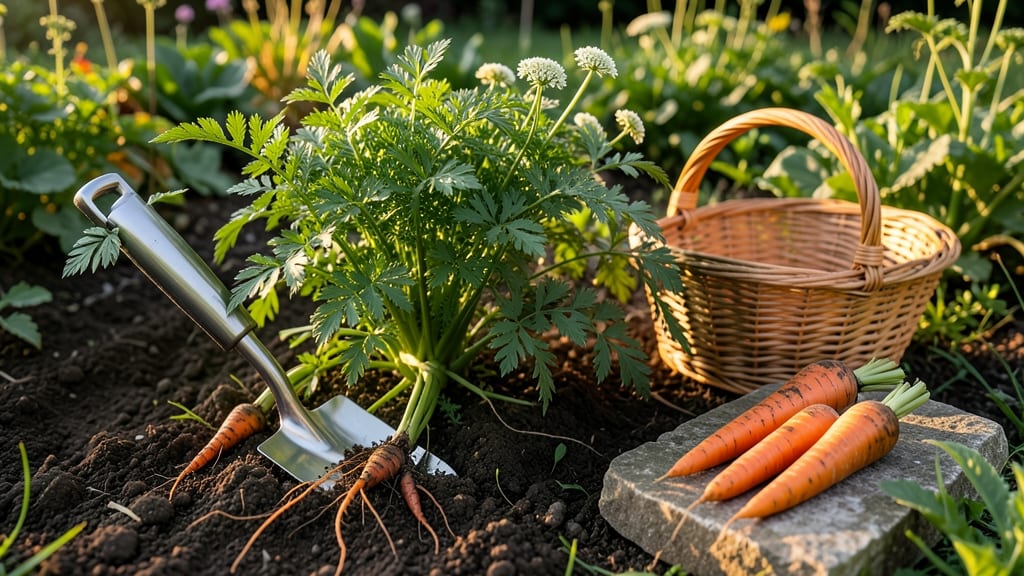
Harvesting carrots from your garden at the right time ensures sweet, crisp roots that taste like summer 🥕 — and missing the window turns them into tough, woody sticks.
Knowing the exact moment to pull them can mean the difference between a perfect harvest and disappointment. You’ll want to watch for leaf size, soil resistance, and even the time of day for the best flavor and texture.
In USDA Zone 6a, spring carrots planted in March–April are ready by May–June, while fall plantings in July–August hit their prime in September–October. But timing isn’t just about the calendar—soil temperature, frost risk, and seasonal shifts play a role too.
Below, I’ll walk you through the finger-press test, seasonal cues, and regional adjustments to guarantee your carrots come out of the ground at their peak.

How to test carrot ripeness using the finger-press method
Harvesting carrots at the perfect moment transforms your garden into a treasure trove of sweet, crisp roots. The finger-press method is my go-to trick for determining ripeness without digging up every carrot to check.
This tactile test combines visual cues with physical feedback to ensure you pull carrots when they're at their peak.
Start by examining the top growth—carrots typically reach harvest-ready size when their foliage reaches 3-4 inches tall. However, this alone isn't enough; you must also test the roots themselves. The finger-press method reveals the internal firmness that guarantees sweetness and texture, while visual checks confirm external readiness.
Select a carrot with 3-4 inch tall foliage and vibrant green leaves. Avoid plants with yellowing or wilted tops.
Use your fingers to loosen 1-2 inches of soil around the carrot’s base. This exposes the root without fully uprooting it.
Press your fingertip firmly (but not hard enough to bruise) against the carrot’s side. A ripe carrot resists pressure—it won’t dent or feel mushy.
If the carrot feels firm and plump, it’s ready. If it yields slightly or feels soft, wait 3-5 more days for full ripeness.
Look for a blunt, yellowed stem end (not green) and consistent color along the root. These signs confirm maturity.
If all checks pass, gently pull the carrot from the soil. If not, recover the soil and retest in a few days.
Uneven ripening is common in gardens, especially when carrots grow in patchy soil conditions. If some roots pass the finger-press test while others don’t, consider harvesting in stages. Pull the ripe ones first, leaving the smaller carrots to mature. This strategy prevents overcrowding and ensures a continuous harvest.
Soil resistance also plays a key role. If the carrot pulls out easily with minimal soil clinging, it’s likely underripe. Conversely, if the soil cracks or resists when you tug, the carrot may be past its prime.
The finger-press method helps you avoid these extremes by testing internal firmness before committing to a full harvest.
For heirloom or slow-growing varieties, extend the waiting period to 70-80 days after planting. These carrots often need extra time to reach their full size and sweetness. Always cross-reference the finger-press test with the variety’s recommended days to maturity listed on seed packets.
Pro tip: Harvest carrots on a cool, overcast morning when the soil is moist but not soggy. This reduces stress on the plants and makes the finger-press test more accurate. Store freshly harvested carrots in the crisper drawer of your fridge for up to 3 weeks to maintain crispness.
Mastering the finger-press method takes practice, but once you’ve tested a few batches, you’ll develop an intuitive sense for when carrots are ready. The key is consistency—always test the same way and under similar conditions. Soon, you’ll be pulling carrots at their peak sweetness every time.
🥕
Best time of day and seasonal factors for harvesting carrots
Timing your carrot harvest isn't just about waiting for the right season—it's also about choosing the optimal time of day to preserve that crisp, sweet flavor.
I've learned that early morning is my go-to window because the soil is cooler, and the carrots haven't yet lost moisture to the midday sun. This makes them easier to pull and keeps them fresher longer.
Seasonal variations play a huge role too. Spring-planted carrots typically reach harvest readiness in late May or June, while fall plantings are best harvested between September and October.
The key difference? Cooler temperatures in fall actually enhance sweetness, while spring harvests might need a little extra attention to avoid woody textures from rapid growth.
| Factor | Spring Harvest | Fall Harvest | Time of Day |
|---|---|---|---|
| Ideal Month | Late May-June | September-October | Early Morning |
| Soil Temp | 55-65°F | 50-60°F | Late Afternoon |
| Sweetness | Moderate | High | Avoid Midday |
| Texture Risk | Woody if late | Crisp if early | Cool Soil Preferred |
| Storage Life | 3-4 weeks | 4-6 weeks | Harvest Before Heat |
Temperature fluctuations are the silent game-changers in carrot harvest timing. I've noticed that spring harvests benefit from slightly warmer soil (around 55-65°F), which encourages steady growth without bitterness.
In contrast, fall carrots develop their signature sweetness when nighttime temperatures dip below 60°F—this triggers natural sugar conversion in the roots.
Never harvest carrots during midday heat, especially in summer. The soil becomes too dry and compacted, making roots tough and splitting-prone. I once tried harvesting at noon in July and ended up with 30% of my crop cracked open—a painful lesson!
Always wait until the soil has cooled slightly, ideally by late afternoon when temperatures drop.
One pro tip I swear by: Harvest before the first frost in fall, even if the carrots seem under-sized. Frost can turn them mushy overnight. I've saved multiple harvests by pulling them a week before the forecasted frost date—smaller but perfect beats ruined carrots any day.
For spring plantings, don't wait until the tops bolt from heat stress; that's your cue to harvest immediately.
Regional differences matter too. In warmer climates (Zones 8-10), you might get two harvests a year, while cooler zones (4-6) are limited to one.
My Zone 6 garden gives me one spring harvest and one fall harvest, but I've seen gardeners in California pull carrots in both spring and fall—their secret? Succession planting every 2-3 weeks for continuous harvests.