
How To
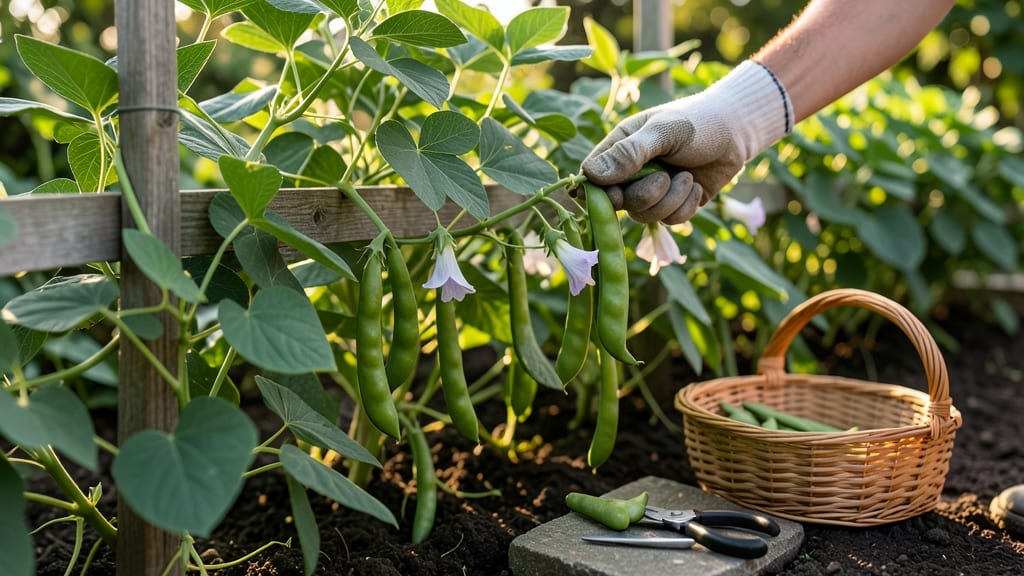
Harvesting edamame beans at the right time turns your garden into a flavor-packed treasure trove—but wait too long, and those tender pods turn tough and bitter.
The key is catching them when they're 2-3 inches long, firm to the touch, and just starting to crack open with a gentle squeeze.
Picture this: you're strolling through your garden in July or August, scanning rows of bushy green plants for the perfect pods. One wrong move, and you'll miss the prime 70-90 day window after planting when edamame 🌱 reaches peak sweetness.
That's the difference between a crisp, snap-worthy pod and a mealy disappointment.
Why does timing matter so much? Because edamame pods mature fast—sometimes in just 24 hours. Overripe beans shrivel inside their shells, while underripe ones stay hard and bland.
Below, I'll walk you through the exact visual cues to look for, how climate affects your harvest schedule, and the simple techniques to keep your plants producing for weeks.
Ready to transform your garden into a steady supply of fresh, homegrown edamame? Let's dive into the harvest secrets that'll have you picking pods like a pro—no guesswork required.

How to identify the perfect harvest stage for edamame beans
Harvesting edamame at the right moment transforms your garden into a flavor factory. The difference between tender, sweet pods and woody, bitter beans often comes down to a few simple visual and tactile cues.
When pods reach the ideal harvest stage, they’ll crack easily under gentle pressure—a telltale sign of peak ripeness.
Timing is everything with edamame. Most varieties mature between 70–90 days after planting, but environmental factors like temperature and sunlight can shift this window. For example, cooler climates may extend the growing season, while hotter regions could push pods to maturity faster.
Paying attention to these cues ensures you don’t miss the window.
Start by checking the pod size and color. At the perfect harvest stage, pods should be 2–3 inches long and a vibrant green-yellow hue. If they’re still bright green and underdeveloped, they need more time. Overlooking these signs often leads to over-mature pods that turn brown and tough.
| Stage | Pod Size | Pod Color | Bean Condition | Crack Test |
|---|---|---|---|---|
| Too Early | 1 inch or less | Bright green | Small, hard | Resists cracking |
| Perfect Harvest | 2–3 inches | Green-yellow | Plump, filling pod | Cracks easily |
| Over-Mature | 3+ inches | Yellow-brown | Shriveled, tough | Hard, no crack |
Use the 'crack test' to confirm ripeness. Gently press a pod between your thumb and forefinger—if it cracks with light pressure, it’s ready to harvest. This tactile check is my go-to method for ensuring every pod is at its peak.
Over-mature pods will feel leathery and resist cracking, signaling it’s past its prime.
Another key indicator is the bean visibility through the pod’s translucent skin. At the perfect stage, you’ll see plump, green beans filling the pod completely. If the beans are still tiny or barely visible, wait a few days. This transparency trick saves time and prevents wasted effort on underripe pods.
Common mistakes include harvesting based solely on pod color or plant age. Some gardeners assume all pods ripen at once, but edamame plants often produce pods over 2–3 weeks. To maximize yield, check plants every 2–3 days during peak harvest season (typically July–August in most climates).
Temperature also plays a role. Cooler nights (60–70°F) slow pod development, while hotter days (80°F+) can accelerate ripening. If your region experiences sudden heatwaves, monitor pods closely—they may mature faster than expected. Adjust your harvesting schedule accordingly to avoid missing the window.
Once you’ve identified the perfect pods, harvest them by snapping the stem just above the pod. Avoid pulling or twisting, which can damage the plant. Regular harvesting encourages more pods to form, extending your harvest window by 2–4 weeks per plant.
This practice is especially useful for heirloom varieties like 'Black Turtle Soya' or 'Enrei'.
If you miss the ideal harvest window, don’t panic. Over-mature pods can still be used for fermented edamame or dried beans, though their texture and flavor won’t be as tender.
To prevent future mistakes, mark your planting date and set reminders for 70–90 days later—this simple step ensures you’re always one step ahead of the harvest game.
Edamame harvesting frequency and techniques to maximize yield
Harvesting edamame at the right frequency is the secret to a continuous bounty of tender pods. When you pick every 2–3 days, you encourage your plants to keep producing fresh pods instead of letting them toughen up.
This regular harvesting also prevents overcrowding, which can stress the plants and reduce overall yield. Think of it like pruning—you’re shaping the plant’s energy toward more production.
To maximize your harvest, start when pods reach 2–3 inches long and turn a vibrant yellowish-green color. At this stage, the beans inside are plump but still tender. If you wait too long, the pods will turn brown and the beans will become tough and bitter.
The key is consistency—check your plants daily during peak harvest season to catch them at the perfect moment.
- 📏 Pod Size: Harvest when pods are 2–3 inches long—any shorter means underripe, any longer means overripe.
- 🌿 Color Check: Look for yellowish-green pods (not fully green or brown). This indicates peak tenderness.
- 👂 Sound Test: Gently squeeze a pod—it should crack slightly with light pressure, releasing the beans easily.
- ⏰ Timing: Harvest in the morning when pods are cool and crisp, avoiding the heat of the day.
- 🌱 Frequency: Pick every 2–3 days to stimulate new pod growth and prevent overcrowding.
For hand-picking, use clean garden shears or simply pinch the stem just above the pod. Avoid tugging—this can damage the plant and reduce future production. If your edamame plants are heavy with pods, consider pruning lower pods to redirect energy to higher-yielding branches.
This technique works especially well for bush varieties, where lower pods may shade or compete with upper pods for resources.
Another pro tip: Harvest in the morning when pods are cool and crisp. This ensures the best flavor and texture, and it also helps prevent the pods from wilting in the heat.
Store freshly picked edamame in the refrigerator for up to 3 days or freeze them for long-term storage. The cooler temperatures slow down the aging process, keeping your pods fresh longer.
If you notice some pods turning brown or the beans inside looking shriveled, it’s a sign you’ve missed the window. Don’t worry—remove these immediately to avoid pests or diseases spreading to healthier pods.
Regular harvesting not only maximizes your yield but also keeps your edamame plants healthy and productive throughout the season.
With these techniques, you’ll enjoy a steady supply of tender, flavorful edamame all season long. The more consistent you are with harvesting, the more your plants will reward you with continuous production. Happy picking! 🌱