
How To
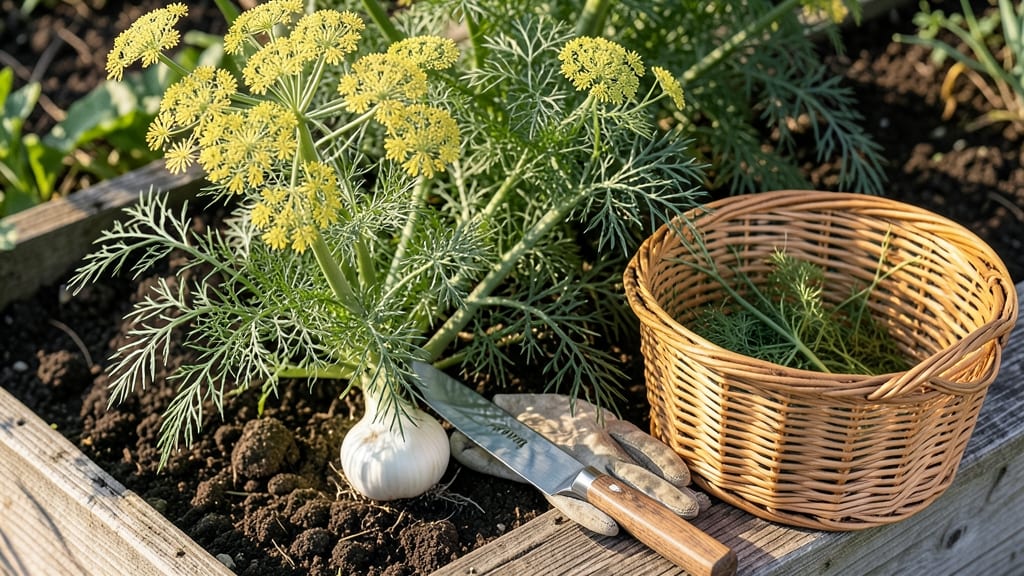
Harvest fennel 🌿 when the bulbs reach 3-4 inches in diameter and the leaves start yellowing—this is the sweet spot for peak flavor before the plant bolts.
Picture this: you’ve nurtured your fennel for months, and now the moment of truth arrives. Pull it too early, and the bulbs stay small and bland. Wait too long, and they turn woody, losing that crisp, anise-kissed crunch you love in salads and soups.
The difference between a stellar harvest and a disappointing one often comes down to timing.
Whether you’re growing Florence fennel for its bulbs or bronze fennel for its fronds, the signs of readiness are the same: firm, round bulbs and slightly wilting leaves. In Zone 6a, this usually falls between June and September, but cooler climates may push the window later.
The key is to act before the plant sends up a flower stalk, which signals the end of the harvest window.
Below, I’ll walk you through the three visual cues to watch for, how to test for perfect ripeness, and why harvesting at the right moment makes all the difference in flavor and texture.

3 Visual signs your fennel bulbs are ready for harvest
Harvesting fennel at the perfect moment transforms your garden into a flavor factory. The difference between a crisp, sweet bulb and a woody, bitter mess often comes down to spotting these three key visual cues.
I’ve learned the hard way—overharvested fennel loses its delicate anise notes, while underharvested bulbs stay small and bland.
Timing matters because fennel bulbs stop growing once they start flowering. Once that happens, the bulb becomes tough and fibrous. The good news? Mother Nature gives you clear signals. Here’s how to read them like a pro.
🌱 PRO TIP: Always harvest fennel bulbs on a cool morning after dew has dried. This preserves crispness and makes the stems easier to cut cleanly.
| Sign | Visual Cue | What It Means | Action |
|---|---|---|---|
| 1. Bulb Size | 3-4 inches in diameter | Fully developed for peak flavor | Harvest when firm but not woody |
| 2. Leaf Color | Yellowing outer leaves | Plant redirecting energy to bulb | Pull bulb before full leaf drop |
| 3. Stem Firmness | Thick, crisp base | Optimal texture for cooking | Cut stem at soil level |
First, check the bulb diameter. A ready fennel bulb should measure between 3-4 inches across. If it’s smaller, it’s not fully developed yet. I once harvested a 2-inch bulb thinking it was ready—it was watery and lacked that signature sweetness.
Compare it to a baseball for a quick visual reference.
Next, examine the outer leaves. Ready-to-harvest fennel shows yellowing or dying back on the lower leaves. This signals the plant is shifting energy from foliage to bulb development. Don’t wait until all leaves turn brown—harvest when you see 30-50% yellowing on the outer fronds.
Finally, test the stem firmness by gently squeezing the base. A ripe fennel bulb feels solid but not rock-hard. If it gives slightly, it’s still maturing.
If it feels woody or hollow-sounding, you’ve missed the window. The ideal texture should resemble a firm apple—crisp but yielding under gentle pressure.
I’ve made the mistake of waiting too long, only to find the bulb had bolted (sent up a flower stalk). Once this happens, the bulb becomes bitter and fibrous, ruining its culinary potential. The flower stalk itself is edible, but the bulb is best enjoyed before this stage.
For Florence fennel (the bulb variety), harvest when the bulb is round and firm. For bronze fennel (used for fronds), watch for bronze-tinged leaves—they’re ready when the fronds develop this coppery hue, typically 2-3 weeks earlier than bulb varieties.
After harvesting, store fennel bulbs in the fridge crisper drawer for up to 2 weeks. For longer storage, wrap the bulb in damp paper towels and store in a plastic bag. This keeps it crisp longer than just refrigerating it bare.
Remember: Timing is flavor. Harvest fennel at these visual cues, and you’ll enjoy that sweet, crisp perfection in every bite. The difference is worth the wait! 🌿
How to test fennel ripeness: the taste and texture method
Once your fennel reaches the right size, visual cues alone won’t always confirm peak ripeness. That’s where sensory testing comes in. The taste and texture method ensures you harvest at the sweetest, crispiest moment—before the bulb turns woody or bitter.
I’ve learned this the hard way: harvesting too late means tough, flavorless fennel that’s barely recognizable as the same plant!
Start by selecting a mature-looking bulb that’s firm to the touch but still yields slightly when pressed. This balance indicates the perfect harvest window—typically around 120 days after planting for Florence fennel varieties.
If the bulb feels rock-hard, it’s overripe; if it’s soft, it needs more time. Your fingers are your best tool here, but don’t stop at touch alone.
Next, slice the bulb in half lengthwise to check the inner texture. At peak ripeness, the flesh should be crisp and white, with a faint greenish tint near the outer layers. If you see yellowing or brown spots, the bulb has started to degrade.
The core should also feel tender but firm—like a slightly overripe apple. Overripe fennel will have a woody, fibrous core that’s nearly impossible to chew.
Now for the taste test: take a small piece of the bulb and chew it. The flavor should be bright and anise-like, with a subtle sweetness that lingers. If it tastes bitter or grassy, the plant has bolted too early, and you’ve missed the window.
Underripe fennel, on the other hand, will lack that signature licorice-like depth and taste bland. Trust your palate—this is the final check before committing to the harvest!
For longer storage, prioritize bulbs that are fully formed but not overripe. Store them in a cool, dark place (like a root cellar) with high humidity—wrap them in a damp towel and place them in a perforated plastic bag.
Harvested fennel will keep for 2-3 weeks under these conditions, but the flavor peaks immediately after harvest, so use it fresh when possible.
If you’re growing fennel for its fronds (like bronze fennel), the process is slightly different. Harvest the outer leaves first, cutting them back by 1/3 to encourage new growth. The inner stalks should remain until the plant bolts, as they’re the most flavorful.
But for bulb fennel, once you’ve confirmed the taste and texture are perfect, grab your shears and harvest before the sun peaks!