
Picking
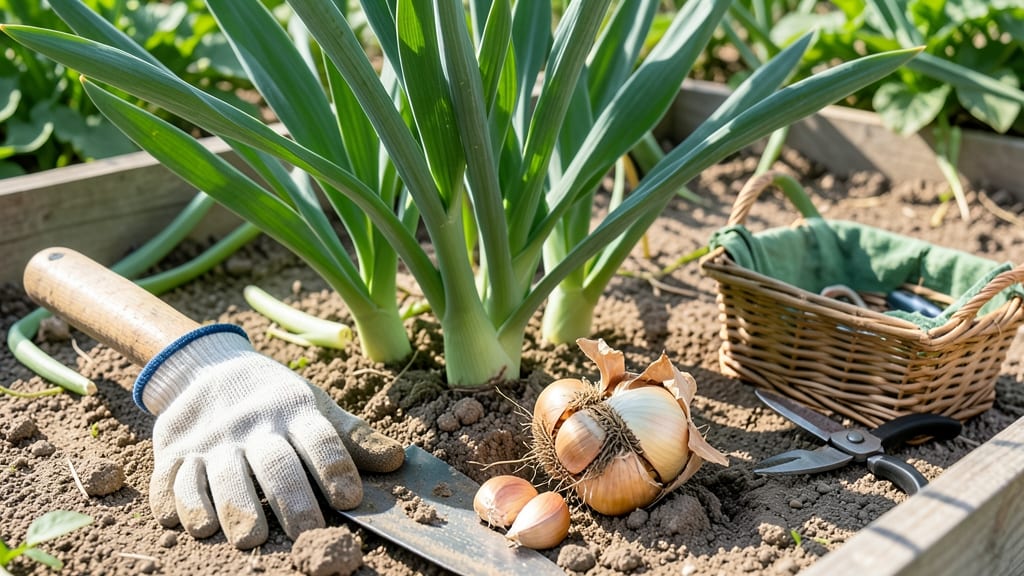
Harvesting garlic in Georgia happens when the lower leaves turn brown and crispy—typically between late May and early June, just as the soil warms and the moon cycles into its waning phase.
Picture this: you’ve spent months nurturing your 🧄, only to pull bulbs too early and end up with shriveled cloves—or worse, leave them in the ground too long and watch them split open in the heat.
The difference between a flavorful harvest and a disappointing one often comes down to reading the plant and the weather.
Georgia’s 7b-8b climate speeds up garlic’s growth cycle, but that means missing the window can turn sweet bulbs bitter. Below, I’ll break down the exact signals to watch for—from leaf color shifts to soil temperature cues—and how to time your harvest with the moon for maximum storage life.
You’ll also discover how to avoid the most common mistakes Georgia gardeners make, like harvesting after a rain or ignoring the critical 60°F soil temp trigger. Ready to turn your fall-planted garlic into a summer victory?

Best moon phases & soil temperature triggers for Georgia garlic harvest
Harvesting garlic in Georgia at the right time transforms your crop from tough, stringy cloves to sweet, flavorful bulbs ready for storage. The ideal harvest window typically falls between late May and early June, but this depends on two critical factors: moon phases and soil temperatures.
These elements work together to signal when your garlic bulbs have reached peak maturity and flavor.
Georgia’s USDA Zones 7b-8b create a unique growing environment where garlic thrives. Unlike northern climates, our warmer springs mean bulbs mature faster—but they also need precise timing to avoid heat stress.
The waxing gibbous moon phase (just before the full moon) is traditionally considered optimal for harvesting root crops like garlic, as it aligns with the plant’s natural energy cycles.
| Moon Phase | Soil Temp (°F) | Harvest Window | Georgia Timing |
|---|---|---|---|
| Waxing Gibbous | 60-68°F | Optimal for bulb harvest | Late May - Early June |
| Full Moon | 65-72°F | Secondary harvest window | Mid-June (if late) |
| Waning Crescent | Below 55°F | Avoid (bulbs may spoil) | November (too late) |
| New Moon | 50-58°F | Planting time (not harvest) | October-November |
Soil temperature plays an equally vital role in determining harvest readiness. Garlic bulbs develop best when soil stays between 60-68°F during the day. In Georgia, this typically occurs in late spring as daytime highs climb but haven’t yet reached summer extremes.
Use a soil thermometer to monitor temperatures—insert it 2 inches deep in the soil where your garlic grows.
Northern Georgia (Zone 7b) often experiences cooler spring soils, delaying harvest by 1-2 weeks compared to southern regions (Zone 8b). If your soil stays below 60°F past early June, your garlic may develop smaller bulbs or become susceptible to bolt (premature flowering), which ruins flavor.
In these cases, consider using black plastic mulch to warm the soil faster.
Tracking moon phases is simpler than you might think. Use a lunar calendar or gardening app to identify the waxing gibbous phase, which occurs about 3-4 days before the full moon.
This phase aligns with the plant’s natural energy peak, making it ideal for harvesting root crops. For Georgia growers, this usually falls in late May, but always cross-reference with soil temperatures.
One common mistake is harvesting based solely on calendar dates. While late May is the target window, your garlic’s readiness depends more on visual cues and soil conditions. For example, if your plants show brown lower leaves but soil temps haven’t reached 60°F, wait a few more days.
Similarly, if the moon phase is perfect but your bulbs feel soft when gently squeezed, they’re not ready yet.
Pro tip: Harvest on a dry, sunny morning during the waxing gibbous phase. This allows bulbs to dry properly in the field before curing. In Georgia’s humid climate, proper drying is critical to prevent mold and rot during storage.
After harvest, bundle garlic stems and hang them in a well-ventilated, shaded area for 2-3 weeks to complete the curing process.
Regional variations matter too. In North Georgia, where springs are cooler, you might harvest 1-2 weeks later than in South Georgia. Pay attention to your specific microclimate—areas near lakes or rivers may stay cooler longer, while urban heat islands can accelerate bulb development.
Adjust your timing accordingly to avoid missed harvests.
Remember, the goal is peak flavor and storage quality. Garlic harvested at the right moon phase and soil temperature will store for months without losing potency. Use these triggers as your guide, but always double-check with visual plant signals like leaf browning and bulb firmness for the final call.
How to identify when Georgia-grown garlic is ready to harvest
Your garlic’s readiness to harvest isn’t just about the calendar—it’s about reading the plant’s visual cues and physical signals. In Georgia’s 7b-8b climate, garlic typically signals harvest between late May and early June, but missing these key indicators can ruin your crop.
The most reliable method? Combine leaf browning patterns with bulb firmness tests to avoid premature or overripe harvests.
Start by examining the lower leaves—they’re your first clue. When about 50% of the leaves turn yellow-brown and begin to crisp, your garlic is nearing harvest.
This shift happens as the plant redirects energy from foliage to bulb development. Ignore this stage, and you risk shriveled cloves or split bulbs from heat stress.
- 1 Leaf Browning (50% Rule): When half the lower leaves turn yellow-brown and crisp, harvest within 3-5 days. Use a glove to gently tug—if bulbs resist, they’re ready.
- 2 Bulb Size Check: Dig up 1 test bulb—it should be 2-3 inches wide with tight, papery skin. If cloves feel soft or loose, wait 1-2 weeks.
- 3 Stem Drying (Scape Test): If the central stem (scape) has dried and turned brown, harvest immediately. This signals the bulb is fully mature.
- 4 Soil Temp Trigger: Harvest when soil temps hit 60°F+ at 6 inches deep. Use a thermometer—cooler temps delay maturity.
Pro tip: Test for doneness by digging up 1-2 bulbs and examining the skin tightness. If the outer layers are dry and papery but not brittle, your garlic is perfect.
Loose or wrinkled skin means it’s overripe, while soft bulbs indicate prematurity. In Georgia’s heat, this check is non-negotiable—humidity can accelerate spoilage.
Time your harvest for a dry morning after 3-4 days without rain. Wet soil makes bulbs prone to rot, and Georgia’s spring showers can turn your harvest into a soggy mess.
Use a fork to loosen soil gently—never pull by the stems, which can damage bulbs. Shake off excess dirt, but don’t wash them; moisture speeds up decay.
After harvest, cure your garlic in a shady, well-ventilated spot (like a garage or porch) for 2-3 weeks. This dries the skins and preserves flavor. In Georgia’s humid summers, speed up curing with a fan set to low.
Once fully dry, store in mesh bags in a cool, dark place—your pantry or root cellar.
Miss these cues, and you’ll end up with pungent, tough cloves instead of the sweet, tender bulbs Georgia’s climate can produce. Pay attention to the plant’s signals, and you’ll harvest garlic that’s flavorful, storable, and ready for your kitchen—or to share with neighbors. 🧄