
Flowers
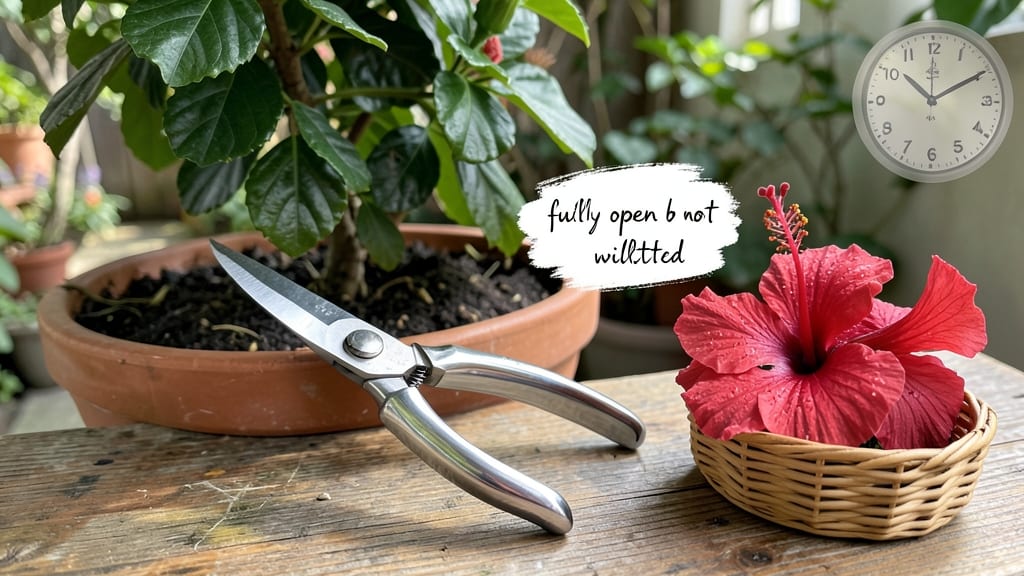
Harvest hibiscus flowers for tea when the petals shift from vibrant pink to deep crimson 🌸 — that color change is your cue for peak flavor.
If you’ve ever sipped hibiscus tea that tasted bitter or flat, chances are you picked the flowers too early or too late. The morning is the best time to harvest, when petals are fully unfurled and the sun hasn’t yet faded their brilliance.
For most hibiscus varieties, including the popular Hibiscus sabdariffa, late summer to early fall is prime season, but weather plays a role too. Humid days can speed up ripening, while cooler mornings preserve that tangy sweetness.
Below, I’ll walk you through the exact color test, the ideal bloom stage, and how to adjust for different climates—so your next batch of tea tastes like sunshine in a cup.

The color shift test: how to identify perfectly ripe hibiscus flowers
Harvesting hibiscus flowers for tea requires precision—especially when it comes to petal color. The color shift test is my foolproof method to determine when flowers are at their peak for tea-making.
A flower harvested too early will taste bland, while one left too long becomes bitter. The key lies in observing subtle color changes from soft pink to deep crimson.
Most hibiscus varieties, like Hibiscus sabdariffa (the roselle type), undergo a dramatic color transformation as they mature. When petals shift from a pale blush to a rich, velvety hue, that’s your cue.
For example, red hibiscus flowers darken to a deep burgundy, while pink varieties deepen to a dusty rose. This shift signals maximum flavor compounds and tartness—perfect for tea.
The ideal bloom stage for tea is when petals are fully unfurled but still firm to the touch. Gently press a petal—if it springs back, it’s ready. A woody stem (not green or flimsy) is another telltale sign.
I’ve found that morning-harvested flowers often have more vibrant colors due to cooler nighttime temperatures, which intensify the pigments.
Pay attention to the flower center too. A fully mature hibiscus will have a dry, papery calyx (the green base) and a slightly raised center. This indicates the flower has reached its peak sugar content, which translates to a sweeter, more complex tea.
If the center is still moist or the petals feel sticky, wait another day.
Different hibiscus varieties have unique color cues. For instance, Hibiscus rosa-sinensis (tropical hibiscus) may show a golden-yellow center at maturity, while Hibiscus syriacus (hardy hibiscus) deepens to a lavender-blue hue. Always harvest when the outer petals are fully open but before they start curling inward—a sign of senescence.
Light conditions also affect color intensity. Hibiscus grown in full sun (6+ hours daily) develop brighter, more saturated petals compared to shaded plants. If your flowers lack vibrancy, consider relocating them to a south-facing spot or supplementing with a grow light during cloudy days.
This ensures consistent color shifts for reliable harvests.
One common mistake is harvesting flowers with damaged petals or pest marks. Even a small hole from a beetle can alter flavor and texture. Always inspect flowers closely before picking.
Use sharp pruning shears to avoid crushing stems, and harvest just above a leaf node to encourage new blooms. This method keeps your hibiscus bush productive all season.
For roselle hibiscus (Hibiscus sabdariffa), the calyx (not the petals) is what matters for tea. Harvest when the calyx turns deep red and the petals begin to drop naturally.
The calyx should feel firm but slightly soft when pressed—a texture like a ripe tomato. Overripe calyces turn mushy and lose their tart, cranberry-like flavor.
Pro tip: Keep a harvest journal to track color changes in your specific variety. Note the exact day of the week and weather conditions when flowers reach peak ripeness.
Over time, you’ll recognize patterns—like how humid mornings can delay color deepening by a day or two. This helps you predict harvest windows with greater accuracy each season.
Finally, remember that color isn’t the only factor. Combine the color shift test with the morning harvest rule and firmness check for the best results. When you master these cues, your homemade hibiscus tea will consistently deliver that bold, tangy flavor that makes the effort worthwhile. 🌺
Best time of day and season for harvesting hibiscus for tea
The best time of day to harvest hibiscus flowers for tea is early morning, between 6 AM and 9 AM. This timing ensures the petals are fully unfurled, hydrated, and packed with maximum flavor compounds.
Morning harvests also avoid the bitter notes that develop as flowers wilt in afternoon heat. If you miss the morning window, opt for late afternoon (after 4 PM) to minimize heat stress on the plant.
Seasonally, hibiscus flowers reach peak ripeness during late summer to early fall, typically August through October in most climates. This aligns with their natural blooming cycle when temperatures are warm but not extreme.
In USDA Zone 6a (like much of the Midwest), aim for harvesting after the first frost date (around October 15) to ensure full flavor development before dormancy sets in.
Climate factors like humidity and temperature also play a role. In hot, dry climates, harvest slightly earlier in the day to prevent petals from drying out. Conversely, in cooler or cloudy regions, you may extend the morning window to 10 AM without sacrificing quality. Always prioritize fully open petals over strict time constraints.
🌸 Numbered Highlights: When to Harvest Hibiscus for Tea
- 1. Morning Window: 6–9 AM for peak hydration and flavor.
- 2. Seasonal Peak: Late summer (August) to early fall (October) in temperate zones.
- 3. Color Test: Petals should be deep crimson, pink, or yellow (not pale or wilted).
- 4. Variety Adjustments:
- Hibiscus sabdariffa (roselle): Harvest calyces (seed pods) when fully red (not flowers).
- Hibiscus rosa-sinensis: Focus on fully open flowers with bright petals.
- 5. Climate Tweaks:
- Hot/dry areas: Harvest by 8 AM to avoid wilting.
- Cool/humid areas: Extend to 10 AM for slower drying.
- 6. Avoid: Harvesting after noon (bitter taste) or before petals fully unfurl (mild flavor).
For Hibiscus sabdariffa (the variety used in traditional hibiscus tea), focus on harvesting the calyces (seed pods) rather than the flowers. These should be deep red and slightly soft to the touch, typically appearing in late summer.
Unlike ornamental hibiscus, roselle prioritizes the calyx over petals for tea-making, so adjust your timing accordingly.
If you’re growing hibiscus in containers, monitor their watering schedule closely. Overwatered plants may produce softer, less flavorful flowers, while underwatered ones can develop bitter petals. Aim to water deeply in the morning (1–2 cups per plant) to support optimal harvest conditions.
Mulching around the base also helps regulate soil moisture and extends the harvest window.
Pro tip: Use a small sharp knife or pruning shears to harvest, cutting stems at a 45-degree angle just above a leaf node. This encourages new blooms and keeps your hibiscus plant productive.
Store harvested flowers in a paper bag in the shade until you’re ready to dry them—never in plastic, which traps moisture and ruins flavor.