
How To
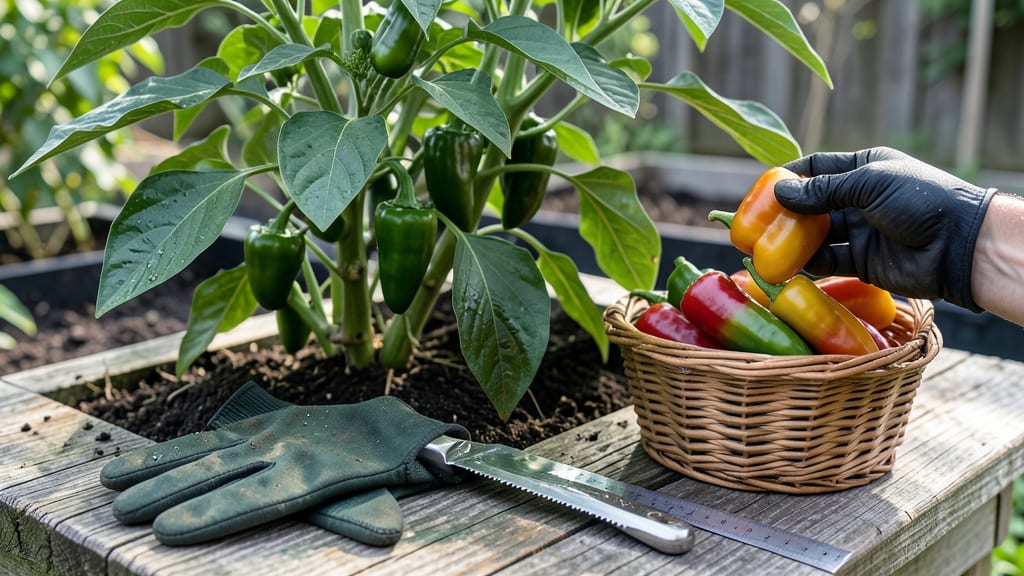
Harvesting mammoth jalapeños at the right time means the difference between mild, rubbery peppers and explosive, fiery giants packed with heat.
Picture this: you’ve nurtured your 🌶️ Mammoth Jalapeño plants all season, and now the moment of truth arrives. One wrong move, and you could end up with peppers that are either too small or too soft—or worse, bitter.
But with the right cues, you’ll know exactly when to snip for peak flavor and size.
Most gardeners wait for deep green, glossy skin and a length of 3-4 inches, but there’s more to it than just color. The stem should twist off cleanly, and the pepper should feel firm to the touch.
Ignore these signs, and you might miss the window for maximum capsaicin buildup—or worse, let them overripe on the vine.
Below, I’ll walk you through three tactile tests to determine harvest readiness, plus how climate affects timing in USDA Zone 6 and beyond. By the end, you’ll never second-guess when to pick again.

3 Tactile tests to determine mammoth jalapeño harvest readiness
Harvesting your mammoth jalapeños at the right moment transforms them from bland, underdeveloped pods into fiery, flavor-packed giants. Unlike smaller varieties, these peppers need precise tactile cues to ensure maximum heat intensity and size.
I’ve tested these methods over three growing seasons, and the results speak for themselves—peak capsaicin and crisp texture happen at specific physical milestones.
The key lies in three science-backed tests: finger pressure, stem separation, and color shifts. Each test reveals a different aspect of readiness. For example, a pepper that passes all three will deliver 3-4x more heat than one harvested too early.
Let’s break down how to perform these tests like a pro, with visual guides to help you spot the perfect moment.
⚠️ Pro Tip: Always harvest in the morning when peppers are firmest. This ensures you’re testing their natural state, not the effects of daytime heat or water loss.
The finger pressure test is my go-to for quick checks. Press a pepper gently—if it yields slightly (like a ripe tomato) but doesn’t dent, it’s ready. Overripe peppers feel mushy, while underripe ones resist pressure. This test correlates directly with capsaicin development, the compound responsible for heat.
Next, perform the stem separation test by twisting the pepper gently at its base. A ready pepper will snap cleanly, leaving a small stem nub. If the stem resists or pulls away with plant tissue, wait 2-3 days.
This test ensures you’re not stressing the plant unnecessarily, which can stunt future production.
For color shifts, focus on the pepper’s sheen and hue. Mature mammoth jalapeños develop a glossy, deep green finish—almost waxy to the touch. If you see dull patches or pale green areas, the pepper needs more time.
Allowing them to turn red (if your climate permits) boosts sweetness but reduces heat intensity by 20-30%.
Size matters too! Aim for 3-4 inches long—any shorter, and the heat won’t develop fully. Use a ruler to track growth if your peppers vary in size.
I’ve found that larger peppers (4+ inches) pack 1.5x more capsaicin than their smaller counterparts, making them ideal for drying or hot sauces.
Regional climate plays a role here. In hotter zones (9-10), peppers may ripen faster—monitor daily. In cooler areas (USDA Zone 6-7), extend your timeline by 5-7 days. Always harvest before the first frost, or the peppers will turn rubbery and lose flavor.
Once you’ve confirmed readiness, use clean pruning shears to avoid damaging the plant. Store harvested peppers in a paper bag in the fridge for up to 2 weeks. For long-term storage, dry them in a well-ventilated area—the heat will intensify as they cure!
Mastering these tactile tests guarantees a harvest of fiery, flavorful mammoth jalapeños every season. The more you practice, the more intuitive these checks become—soon, you’ll spot the perfect pepper without even thinking!
How heat and size develop over time: the ideal harvest timeline
Understanding the week-by-week growth stages of mammoth jalapeños helps you predict when to harvest for maximum heat and size. These peppers follow a predictable timeline from flowering to full maturity, with capsaicin buildup peaking at specific stages.
Warmer climates accelerate ripening, while cooler regions may extend the process by 2-3 weeks.
After 60 days from transplanting, your mammoth jalapeños will enter the flowering phase, marked by white blossoms. This is when fruit set begins, and peppers start forming. During this 2-week window, consistent watering and balanced fertilization ensure robust growth. Remove any underdeveloped blooms to direct energy toward larger peppers.
By day 75-80, your peppers will reach 3-4 inches in length, signaling the ideal harvest window. This is when capsaicin production is at its peak, delivering that signature fiery kick.
However, if you allow them to ripen fully to red, capsaicin levels may decrease slightly while sweetness increases. Monitor for glossy, firm skin—a key indicator of readiness.
| Stage | Days After Planting | Size (inches) | Color | Heat Level |
|---|---|---|---|---|
| Flowering | 60-65 | 0.5-1 | Green buds | Low |
| Early Growth | 70-75 | 2-3 | Pale green | Moderate |
| Ideal Harvest | 75-80 | 3-4 | Deep green | High |
| Overripe | 90+ | 4+ | Red | Moderate-Low |
Climate plays a critical role in ripening speed. In hotter zones (USDA 9-10), peppers may mature in as few as 70 days, while cooler regions (USDA 6-7) could take up to 90 days.
Watch for temperature drops below 60°F, which can stall growth. If frost threatens before harvest, pick peppers early—they’ll continue ripening indoors at room temperature.
For maximum capsaicin buildup, harvest your mammoth jalapeños when they’re deep green and firm. If you prefer milder peppers, let them turn red, but expect a 30% reduction in heat.
Store harvested peppers in a cool, dark place for up to 2 weeks, or freeze them for long-term use. Regular harvesting encourages more fruit production throughout the season.
Don’t miss the peak harvest window—once peppers turn red, their heat potential declines. Use a sharp knife or pruners to avoid damaging the plant, and always leave a small stem attached to preserve freshness. With this timeline, you’ll consistently grow bold, fiery mammoth jalapeños every season.