
Picking
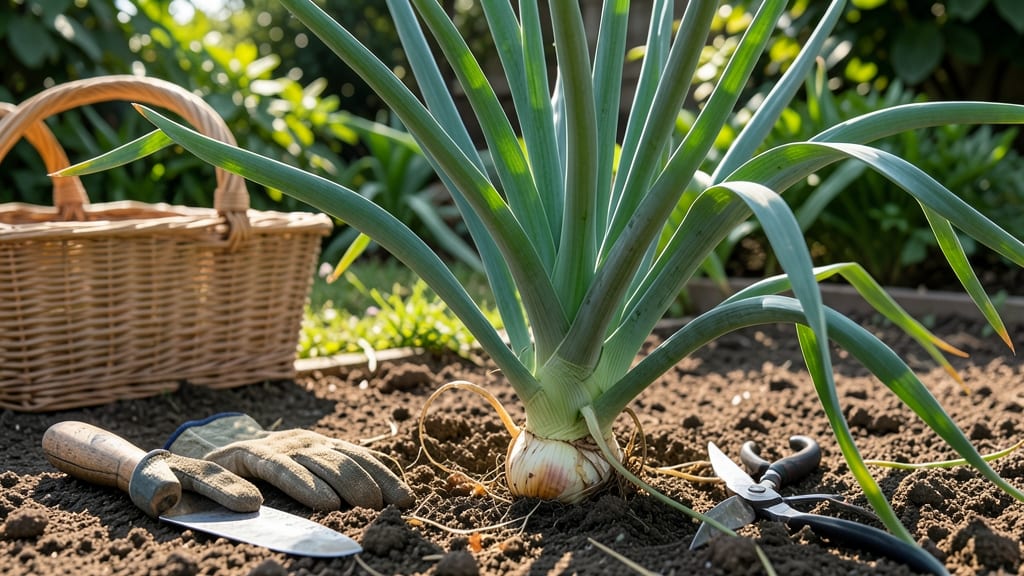
Harvesting onions in Texas at the right time means capturing flavor when bulbs are firm and tops yellow—but wait too long, and the heat turns them pungent or hollow.
Timing your onion harvest in Texas isn’t just about waiting for green tops to fall over—it’s about mastering soil temperatures and regional microclimates to unlock sweet, pungent bulbs at their peak.
One week early, and you’re left with small, watery 🧅; one week late, and the heat saps their storage life.
In 8a-10a zones, fall-planted onions hit their sweet spot when soil temps dip below 85°F—usually April-May for spring harvests or June-July for summer crops.
But don’t rely on the calendar alone: the key is watching for tops that yellow and flop, bulbs that feel dry when squeezed, and a neck that shrinks to ½-inch thick.
Below, I’ll walk you through Texas-specific tricks—like adjusting for North vs. South soil triggers, when to ignore the "days-to-maturity" label, and how to cure and store your harvest to beat Texas humidity. Ready to pull perfect onions?

Texas soil temperature zones for perfect onion harvest timing
Texas gardeners know that onion harvest timing isn't one-size-fits-all—our state's three distinct regions create wildly different growing conditions. While 85-95°F soil temperatures trigger ideal harvest windows, North Texas' cooler springs delay maturity compared to South Texas' early summer harvests.
Understanding these microclimates means the difference between pungent, flavorful bulbs and bland, overripe onions.
Your onion variety also plays a crucial role. Short-day onions (like Texas Early White) thrive in our long, hot summers, while long-day varieties need cooler conditions.
The key is planting at the right time to align with your region's soil temperature triggers—typically when daytime highs consistently reach 75°F+ for at least two weeks.
Soil temperature is the hidden factor most Texas gardeners overlook. A soil thermometer is your best friend—plant when soil temps are 60-65°F for spring crops or 70-75°F for fall plantings. In North Texas, this often means waiting until mid-March, while South Texas gardeners can start as early as January.
Central Texas gardeners have the advantage of two harvest windows—spring and fall. Plant short-day onions in September for a March-April harvest, then follow with long-day varieties in January for a May-June harvest. The key is maintaining consistent soil moisture during Texas' unpredictable spring rains and summer heat.
Don't let Texas heat stress ruin your onions. When soil temps exceed 95°F for more than 3 days, bulbs may bolt prematurely or develop hollow centers. Use shade cloth during peak afternoon heat (2-5 PM) and mulch heavily with straw to keep soil temps stable.
I've seen 30°F soil temperature swings in a single day during North Texas springs!
Adjust your planting schedule based on your region's last frost dates. North Texas gardeners should aim for 60 days before last frost (typically February 15), while South Texas can plant 8-10 weeks earlier.
For fall harvests, plant 120-135 days before first frost—November 15 in North Texas or December 1 in South Texas.
Pro tip: Test your soil before planting—Texas clay soils often need amendments to improve drainage. Aim for a pH between 6.0-7.0 and add compost to help onions develop larger, sweeter bulbs. I've found that well-amended soil can push harvest times 2-3 weeks earlier in all Texas regions.
Remember that harvest timing affects flavor. Onions harvested in cooler North Texas springs develop milder, sweeter flavors, while South Texas summer heat produces more pungent, storable bulbs. For best results, harvest when 50-60% of tops yellow—this gives you the perfect balance of flavor and storage potential.
🌱
5 Visual and physical signs your Texas-grown onions are ready to pull
Harvesting onions in Texas isn’t a one-size-fits-all process. While days-to-maturity charts offer a starting point, Texas’ variable soil temperatures and humid summers demand closer attention to visual and physical cues. Ignoring these signs can lead to bolting (flowering) or soft, pithy bulbs—both major flavor and storage setbacks.
Instead, focus on what your onions are telling you through their growth stages.
Texas gardeners often face a unique challenge: heat stress can accelerate maturity, while unpredictable spring rains may delay it. That’s why relying solely on calendar dates is risky.
Instead, watch for these five key indicators that your onions are ready to pull—each one a clear signal that your bulbs have reached peak flavor and storage potential.
The classic harvest sign is when 50-75% of the tops yellow and collapse. In Texas’ hotter regions (like South Texas), this may happen as early as April, while North Texas gardeners often see it in May. Wait 1-2 days after this occurs for full maturity.
Gently squeeze the soil-covered bulb—it should feel firm and dry, not squishy. In Texas’ clay-heavy soils, bulbs may appear smaller but still be ready. Pro tip: Dig up a test bulb to check size if tops haven’t yellowed yet.
The stem between bulb and leaves should tighten and develop thin, papery layers. This is your onion’s way of stopping water uptake and signaling maturity. In humid Texas summers, this skin may darken faster—harvest before it turns moldy.
The outer green leaves should crisp up and brown at the tips. This indicates the bulb has stopped growing upward and redirected energy to storage. Warning: If leaves turn yellow but stay soft, your onions may be rotten—pull and compost immediately.
Texas’ heat spikes can trick onions into thinking they’re ready before they are. Once daytime soil temps consistently fall below 85°F (common in late May for North Texas), it’s time to check for other signs. Pro move: Use a soil thermometer to track temps—this is critical for fall-planted onions in South Texas.
Texas gardeners must also account for regional weather quirks. For example, East Texas’ humidity can cause bulbs to rot if left too long in the ground, while West Texas’ dry heat may lead to premature shriveled tops.
Always harvest on a dry morning to avoid muddy bulbs, and never pull onions after rain—this increases disease risk.
Once you’ve confirmed all five signs, it’s time to harvest. Use a fork or spade to loosen soil gently, then grasp the bulb and pull upward. Shake off excess dirt but leave the roots and papery skin intact—this protects the bulb during curing.
In Texas’ hot climate, curing should happen quickly (within 2-3 days) to prevent mold.
Timing your harvest correctly means the difference between sweet, storable onions and bitter, bolted disappointments. Pay attention to these visual and physical cues, and your Texas garden will reward you with flavorful bulbs all season long. 🧅